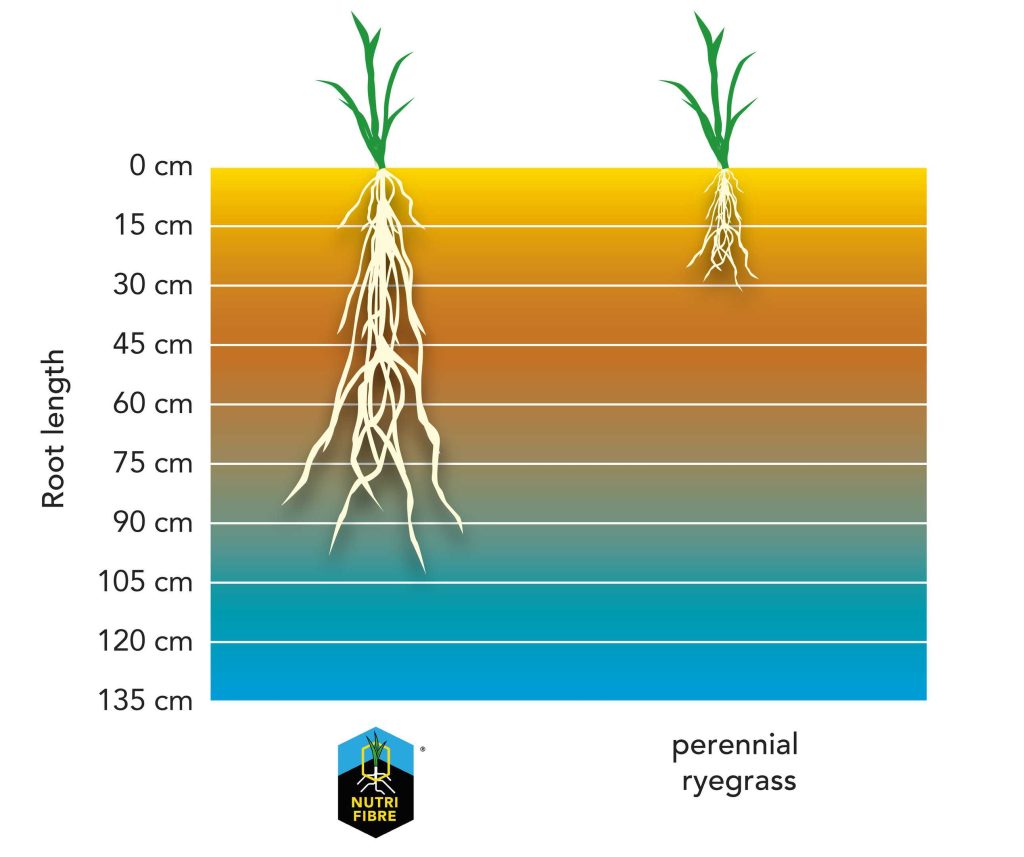
Quick Answer: The root depth of perennial ryegrass varies depending on various factors, but it generally ranges from 6 to 12 inches.
When it comes to growing a beautiful and healthy lawn, understanding the root depth of the grass you’re working with is crucial. Perennial ryegrass, a popular choice for lawns, sports fields, and pastures, is known for its fast establishment and ability to tolerate heavy foot traffic. But how deep do its roots really go?
The root depth of perennial ryegrass can vary depending on several factors, including soil type, moisture levels, and management practices. In general, it tends to have a root depth ranging from 6 to 12 inches. This means that the majority of its roots will be concentrated in the top soil layers, where nutrients and water are more readily available.
Having a shallow root system can make perennial ryegrass more vulnerable to drought conditions, as it may struggle to access water deep within the soil. However, its fast growth and ability to recover quickly from damage make it a popular choice for areas with heavy foot traffic.
In the following article, we will explore the factors that influence perennial ryegrass root depth and provide tips on how to promote healthy root development. Whether you’re a homeowner looking to improve your lawn or a turf professional seeking to maximize the performance of athletic fields, understanding the root depth of perennial ryegrass is key to achieving your goals.

Perennial Ryegrass Root Depth Explained
Perennial ryegrass (Lolium perenne) is a popular cool-season grass that is widely used in lawns, pastures, and athletic fields. While it may be best known for its lush green foliage and ability to withstand heavy foot traffic, the root system of perennial ryegrass plays a crucial role in its overall health and resilience. In this article, we will delve into the fascinating world of perennial ryegrass root depth, exploring its importance, factors affecting it, and tips for promoting strong and deep root growth.
The Role of Root Depth in Plant Health
The root system of a plant serves as its foundation, providing stability, water, and nutrient uptake, and overall support. A deep and well-developed root system is vital for the long-term health and survival of any plant, including perennial ryegrass. Here’s why root depth matters:
1. Water and nutrient absorption: Deeper roots can access water and nutrients from deeper soil layers, reducing the plant’s reliance on surface moisture and increasing its resilience during drought periods.
2. Stability: A strong and extensive root system anchors the grass plants firmly in the soil, helping them withstand environmental stresses such as heavy winds or foot traffic.
3. Environmental impact: Deep roots contribute to soil health by improving its structure, enhancing water infiltration, reducing erosion, and promoting microbial activity.
Factors Affecting Perennial Ryegrass Root Depth
Several factors can influence the depth and development of perennial ryegrass roots. By understanding these factors, you can effectively optimize growing conditions to encourage deeper root growth. Let’s explore them:
1. Soil type and quality: The soil’s texture and structure greatly impact root development. Loamy or sandy soils generally allow for better root penetration and growth compared to heavy clay soils. Improving soil quality through organic amendments can also enhance root depth.
2. Water availability: Adequate water supply is essential for root growth. However, overwatering can lead to shallow root development, as the grass plants don’t need to search deeper for moisture. Regular deep watering encourages roots to grow deeper in search of water.
3. Fertilization practices: Balanced fertilization with appropriate levels of nitrogen, phosphorus, and potassium promotes healthy root growth. Avoid excessive nitrogen fertilization, as it can stimulate top growth at the expense of root development.
4. Mowing height: Mowing too short can stress the grass plants and inhibit root growth. Maintaining a proper mowing height allows the grass to develop a deeper root system.
5. Temperature: Perennial ryegrass is a cool-season grass that thrives in cooler temperatures. Higher temperatures can inhibit root growth. Overseeding with warm-season grasses during the summer can help maintain a green lawn while protecting the perennial ryegrass roots from heat stress.
6. Compaction: Soil compaction restricts root growth by limiting oxygen availability and reducing water infiltration. Regular aeration helps alleviate compaction and encourages deeper root growth.
Promoting Deeper Root Growth in Perennial Ryegrass
Now that we understand the factors influencing root depth, let’s explore some practices to encourage deeper root growth in perennial ryegrass:
1. Choose the right cultivar: Select perennial ryegrass cultivars known for their deep root systems. Consult with local experts or nurseries to find cultivars suitable for your region.
2. Soil preparation: Prior to seeding or sodding, prepare the soil by removing debris, tilling the area, and incorporating organic matter. This improves soil structure and promotes root penetration.
3. Proper watering: Water deeply and infrequently, encouraging roots to grow deeper in search of moisture. Aim for one inch of water per week, delivered in one or two sessions.
4. Regular aeration: Core aerate the lawn annually or as needed to alleviate soil compaction and enhance root growth.
5. Appropriate fertilization: Follow soil test recommendations to ensure the grass receives adequate nutrients without overfertilization. This promotes a healthy root system.
6. Maintain proper mowing height: Set the mower at the recommended height for perennial ryegrass (around 2-3 inches) and avoid scalping the turf, as this can impede root development.
7. Overseed if necessary: If bare spots or thinning occur in the lawn, overseeding with perennial ryegrass can help fill in gaps and promote deeper root growth.
In summary, perennial ryegrass root depth is a crucial aspect of its overall health and resilience. A deep root system allows the grass to access water and nutrients, provides stability, and positively impacts the surrounding environment. By understanding the factors affecting root depth and implementing appropriate practices, homeowners and landscape professionals can nurture a vibrant and sustainable perennial ryegrass lawn. Remember to choose the right cultivar, prepare the soil, water deeply but infrequently, aerate regularly, fertilize properly, mow at the correct height, and overseed when needed. Happy growing!
Perennial Ryegrass Pros and Cons
Frequently Asked Questions
What is the root depth of perennial ryegrass?
Perennial ryegrass typically has a root depth of about 4 to 8 inches, depending on soil conditions and management practices.
How does root depth affect the performance of perennial ryegrass?
Root depth is crucial for the overall health and performance of perennial ryegrass. A deeper root system allows the grass to access nutrients and water from lower soil layers, which helps it withstand drought conditions and improves its overall resilience.
Can the root depth of perennial ryegrass be increased?
Yes, the root depth of perennial ryegrass can be increased through proper irrigation and maintenance practices. Deep and infrequent watering encourages the roots to grow deeper into the soil in search of moisture. Additionally, aerating the soil and providing adequate fertilization can also promote root development.
What soil conditions favor deeper root growth in perennial ryegrass?
Perennial ryegrass tends to develop deeper roots in well-drained soils that are loose and have good water-holding capacity. Clay soils and compacted soils can hinder root growth, so it is important to address these issues through proper soil preparation and maintenance.
How long does it take for perennial ryegrass roots to reach their maximum depth?
Perennial ryegrass roots can take several months to develop and reach their maximum depth. The rate of root growth depends on various factors such as soil temperature, moisture availability, and the specific cultivar being grown.
Are there any benefits to having a deeper root system in perennial ryegrass?
Yes, there are several benefits to having a deeper root system in perennial ryegrass. A deeper root system enhances the grass’s ability to withstand drought stress, promotes better nutrient uptake, and improves overall turf density. It also helps prevent soil erosion by stabilizing the ground and reducing surface runoff.
Final Thoughts
Perennial ryegrass is known for its impressive root depth, which plays a vital role in its resilience and ability to establish a strong turf. These deep roots enable the grass to access water and nutrients from the subsoil, making it drought-tolerant and efficient in nutrient uptake. With its extensive root system, perennial ryegrass can withstand heavy foot traffic, making it an excellent choice for lawns and sports fields. Understanding the importance of perennial ryegrass root depth can help us appreciate its remarkable adaptability and durability in various environmental conditions.