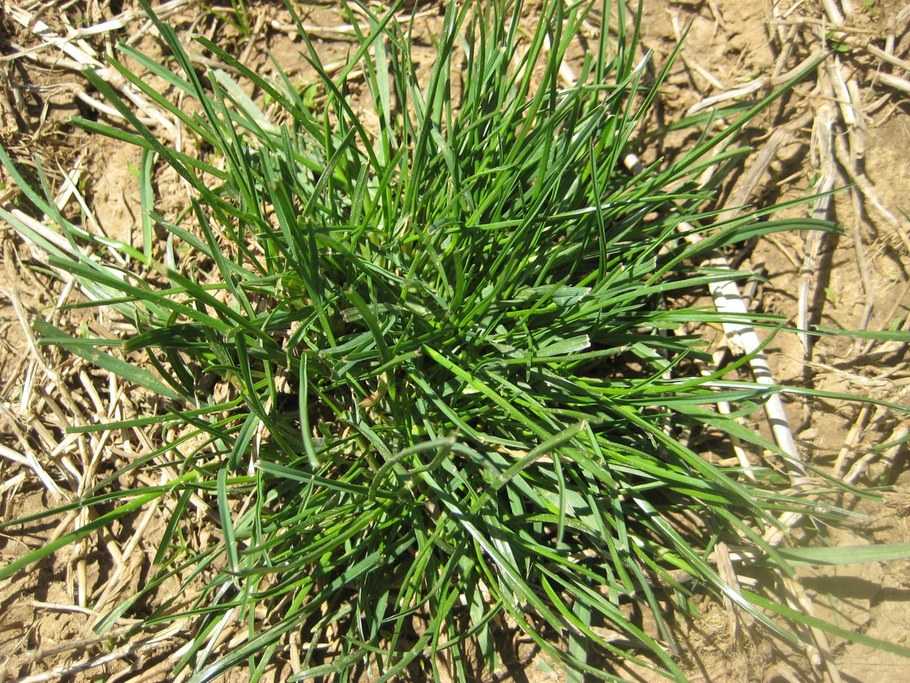
Spotting perennial ryegrass is easier than you think once you know what to look for. This popular grass type is a favorite for lawns and sports fields due to its lush appearance and quick growth, but distinguishing it from other grasses can seem tricky at first. The key features include its fine texture, vibrant green color, and the way it forms dense clumps that stay green year-round. To identify perennial ryegrass, look for its thin, glossy blade leaves and its distinctive seed heads, which appear in the spring. Keep an eye out for smooth, fine-textured grass that thrives in cooler temperatures, and you’ll be able to recognize it with confidence.
Perennial ryegrass is a hardy, fast-growing grass known for its bright green color and fine blades. It remains lush and vibrant, especially in cooler months, and is commonly used in lawns, sports fields, and pastures. Identifying it comes down to observing its fine texture, shiny leaves, and the characteristic seed heads that appear during the growing season. Being familiar with these features makes it simple to distinguish perennial ryegrass from other grasses, helping you make informed decisions for lawn care or pasture management.

How to Identify Perennial Ryegrass
Perennial ryegrass is a popular grass type used in lawns, sports fields, and pastures due to its quick growth and lush appearance. Knowing how to identify this grass can help you make better decisions for lawn care or pasture management. Let’s explore the key features that distinguish perennial ryegrass from other grasses and how to recognize it easily.
Understanding the Basic Appearance of Perennial Ryegrass
Perennial ryegrass has a fine texture with slender, vibrant green blades. Its blades are usually narrow, and the plant grows in dense, soft patches. This grass is known for its bright green color, which adds a lively look to any lawn or field.
Typically, the blades are between 2 and 4 millimeters wide and can grow up to 15 centimeters tall. The dense growth habit means the grass forms a thick carpet, making it ideal for high-traffic areas. Look for a uniform, lush appearance that feels soft underfoot.
Examining the Leaf Structure and Color
Blade Shape and Texture
The blades of perennial ryegrass are flat and smooth, with a slight sheen that makes them shine in sunlight. They are generally straight and narrow, giving the grass a delicate appearance. When you run your fingers through the grass, it should feel soft and slightly silky.
Color Characteristics
The green color is usually a bright, vibrant shade, although it can sometimes appear darker during cooler weather. The color is consistent across the patch, helping you identify healthy perennial ryegrass easily. This brightness is a key visual cue for identification.
Identifying the Growth Habit and Structure
Growth Pattern
Perennial ryegrass spreads through both tillers and seed production. Its tillers are short, and the grass grows in dense clumps. The plant tends to create a neat, uniform mound without noticeable gaps or bare patches.
Root System and Density
The root system is fibrous, which contributes to the grass’s quick establishment and resilience. Dense root proliferation helps the grass withstand foot traffic and drought conditions. This density is a telltale sign of perennial ryegrass.
Analyzing the Seed Head and Reproductive Features
Seed Head Appearance
During the flowering stage, perennial ryegrass produces a distinctive seed head. It’s a narrow, spike-like inflorescence that can reach a few centimeters in length. The seed head appears as a thin, upright spike with small florets along the stem.
Flowering Time
Perennial ryegrass generally flowers between late spring and early summer. Recognizing the seed head during this period helps confirm identification. The seed head’s shape and size are unique features that set it apart from other grasses.
Comparing Perennial Ryegrass with Similar Grasses
Poaceae Family and Similar Species
Perennial ryegrass belongs to the Poaceae family, which includes many grasses such as Kentucky bluegrass and fescue. While these grasses may look similar, particular features help distinguish perennial ryegrass.
Key Differences and Identification Tips
- Blade width: Perennial ryegrass blades are narrower than fescues but similar to annual ryegrass.
- Color: The bright, consistent green helps differentiate perennial ryegrass from darker or uneven patches of other grasses.
- Seed head shape: The narrow, spike-like seed head is characteristic of perennial ryegrass.
- Growth habit: Dense and soft, forming a uniform turf, unlike the more coarse or wiry appearance of some other grasses.
Best Ways to Confirm Your Identification
Conducting a Simple Visual Inspection
Start by observing the overall color, blade shape, and growth pattern. Look for the fine, bright green blades and dense coverage. Check the seed head if the grass is flowering.
Using a Hand Lens or Magnifying Glass
A small magnifying glass can help examine the seed head and blade structure more closely. Focus on the inflorescence and florets to confirm the narrow spike shape.
Sample Collection and Expert Consultation
If you’re unsure, collect a small sample of blades and seed heads. Take it to a local extension office or a turfgrass expert for identification. This can ensure you accurately recognize perennial ryegrass.
Additional Tips for Identifying Perennial Ryegrass
- Check the growing season: If the grass is actively growing during spring and fall, it could be perennial ryegrass.
- Assess the texture: Soft, fine blades are common in perennial ryegrass, unlike coarser grasses.
- Observe the turf’s resilience: Perennial ryegrass is known for quick recovery after damage, which can help confirm your identification.
Related Topics: Maintenance and Cultivation
Proper Care for Perennial Ryegrass
To keep perennial ryegrass healthy, regular watering, mowing, and fertilization are important. It thrives in moist, well-drained soils and responds well to balanced nutrients.
Common Challenges and Solutions
Perennial ryegrass can be prone to fungal diseases or weed invasion if not managed properly. Ensuring good aeration and avoiding overwatering can help prevent problems.
Optimal Conditions for Growth
This grass prefers cool to moderate temperatures and can tolerate some shade. However, maintaining full sun exposure encourages dense, vigorous growth.
Becoming familiar with these identifying features of perennial ryegrass will empower you to distinguish it easily from other turf types. Recognizing its unique visual cues and growth patterns makes managing your lawn or pasture a simpler task. Keep observing and comparing these characteristics, and you will develop a keen eye for perennial ryegrass identification.
Perennial Ryegrass Identification
Frequently Asked Questions
What are the distinctive leaf characteristics of perennial ryegrass?
Perennial ryegrass has fine, smooth leaves that are bright green and exhibit a shiny surface. The leaves are typically narrow, measuring about 2-4 mm in width, with a prominent central vein. When mature, the leaf blades curl slightly, giving the grass a dense and lush appearance. These characteristics help differentiate it from other grass species.
How can I identify the seed head of perennial ryegrass?
The seed head of perennial ryegrass appears as a slender, erect panicle that rises above the foliage. It usually features several branches with tiny, spike-like seeds arranged alternately along the stem. The seed head is relatively narrow, and during flowering, it emits a mild, sweet scent. Observing these seed structures during the flowering period confirms the grass’s identity.
What are the growth habits that indicate perennial ryegrass?
Perennial ryegrass grows in dense tufts with a vigorous, spreading habit. It forms a lush, low-growing turf with a fine texture, often rooting at the nodes along the stems. The grass tends to establish quickly and maintain a uniform appearance, especially in well-drained soils. These growth patterns help distinguish it from other turfgrasses.
Are there specific blade tips or edge features to look for in perennial ryegrass?
Yes, the blades of perennial ryegrass often have pointed tips with smooth, even edges. The margins are typically flat without any serrations or roughness. When examined closely, the blades reveal a fine, delicate texture, which can be a useful trait in confirming the grass type.
How does the seasonality affect the appearance of perennial ryegrass?
Perennial ryegrass stays green and actively growing during cooler months, providing a vibrant turf year-round in suitable climates. In warmer seasons, it may slow growth but remains relatively resilient. Recognizing its consistent, lush green color and dense growth pattern throughout the year aids in its identification.
Final Thoughts
Perennial ryegrass has distinct characteristics that make it easy to identify. Its fine, bright green blades grow densely and quickly, forming a lush turf. The leaves are smooth and often shiny, which helps in differentiation. This grass thrives in well-drained soil and remains vibrant during cooler seasons.
To identify perennial ryegrass, examine its growth pattern and leaf texture closely. It typically produces a fine, needle-like appearance and spreads via rhizomes. Recognizing these features ensures accurate identification of perennial ryegrass.