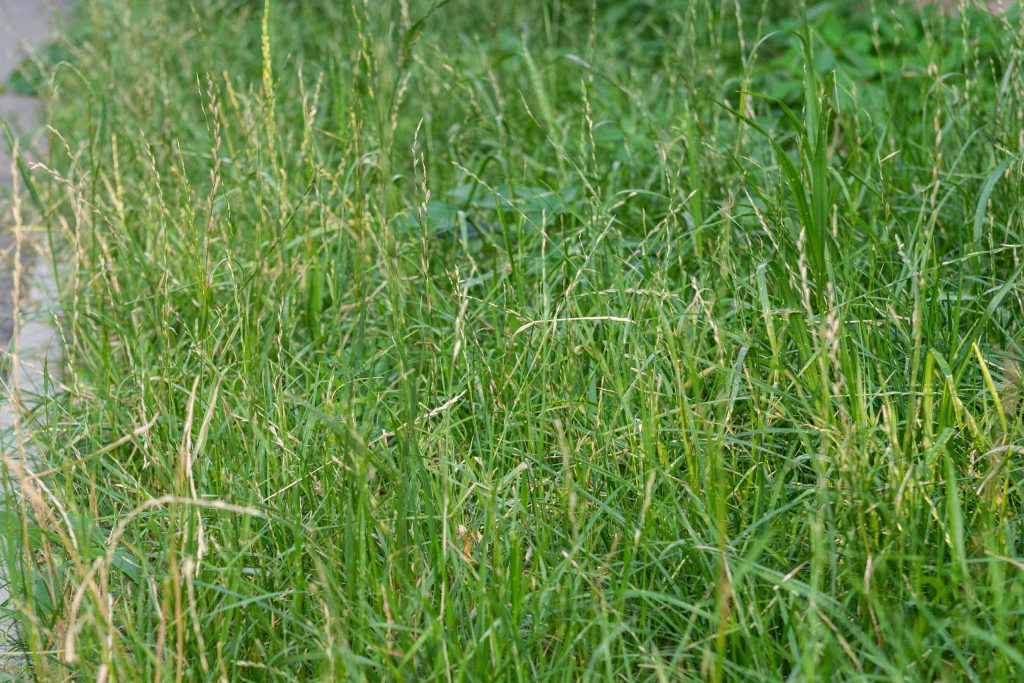
Yes, ryegrass can grow in the summer. While ryegrass is commonly associated with cool-season grasses that thrive in the spring and fall, certain varieties of ryegrass are well-suited to handle the heat and stress of the summer months. These warm-season ryegrasses have been specifically bred to withstand higher temperatures and can continue to grow and maintain their lush green appearance during hot weather.
During the summer, when warm-season grasses may struggle to stay green and vibrant, planting ryegrass can be a great way to keep your lawn looking lush and appealing. Whether you have a home lawn or a sports field, ryegrass can enhance the aesthetic appeal and provide a soft, cool surface for recreational activities. It’s important, however, to choose the right type of ryegrass for your specific climate and growing conditions.
In this article, we will explore the different types of ryegrass that can thrive in summer, discuss the key factors for successful growth, and provide valuable tips to ensure your ryegrass lawn remains healthy and resilient throughout the summer months. So, let’s dive in and discover how to have a beautiful green lawn all summer long!

Will Ryegrass Grow in the Summer?
Ryegrass is a popular choice for lawns and pastures due to its versatility and adaptability. However, one common question that arises is whether ryegrass can thrive during the summer months. In this article, we will delve into the characteristics of ryegrass and its growth patterns to determine if it can indeed flourish in the summer.
The Nature of Ryegrass
Ryegrass, scientifically known as Lolium, is a cool-season grass that primarily grows during the fall and spring. It is categorized into two main types: perennial ryegrass and annual ryegrass. Perennial ryegrass establishes a permanent turf and has greater cold tolerance, while annual ryegrass germinates quickly and serves as a temporary cover. Both types can fill in bare spots, prevent soil erosion, and enhance the aesthetic value of lawns or landscapes.
Understanding Ryegrass Growth Habits
To comprehend whether ryegrass can thrive in the summer, we need to delve into its growth habits. Ryegrass is most productive and actively growing when temperatures range between 50°F and 75°F (10°C and 24°C). It thrives in regions with mild winters and moderate summers, typically found in regions with a Mediterranean climate.
Ryegrass growth can be affected by various environmental factors, including temperature, moisture, and sunlight. Let’s explore how these factors impact its growth during the summer months.
1. Temperature
Ryegrass is considered a cool-season grass, with optimal growth occurring in cooler temperatures. High summer temperatures above 85°F (30°C) can stress ryegrass plants, hindering their growth and potentially causing them to go dormant. However, with proper maintenance and care, ryegrass can still survive in summer.
2. Moisture
Adequate moisture is crucial for ryegrass growth, especially during the summer months when evaporation rates are high. Regular irrigation is necessary to ensure the grass receives enough water to sustain healthy growth. Without sufficient moisture, ryegrass may become dormant or even die off in hot and dry conditions.
3. Sunlight
Ryegrass generally prefers full sun or partial shade, but it can tolerate some shade during the summer months when the sun’s intensity is at its peak. However, excessive shade can hinder its growth and make it more susceptible to diseases. If you have mature trees or structures that provide heavy shade, ryegrass may struggle to thrive in those areas.
Strategies for Ryegrass Growth in Summer
While ryegrass prefers cooler temperatures, there are several strategies you can employ to help it thrive during the summer months:
1. Overseeding
One effective approach is overseeding. By overseeding your existing warm-season grass with ryegrass in early fall, you can ensure green coverage throughout the year. The ryegrass will take over during the cooler months, offering a lush lawn during the winter and spring, and then gradually fade as warm-season grass regains dominance in the summer.
2. Proper Irrigation
Watering ryegrass correctly is essential for summer survival. Aim for deep, infrequent irrigation to encourage deep root growth and enhance drought tolerance. Watering deeply once or twice a week is generally sufficient, but adjust based on moisture requirements and rainfall in your specific region.
3. Fertilization
Maintaining proper nutrition with regular fertilization is crucial for ryegrass growth. Apply a balanced fertilizer with a higher nitrogen content during the active growth periods and adjust the application rate based on soil test results and regional recommendations.
4. Mowing Height
Mowing ryegrass at the appropriate height is vital for its health. Set your mower to a height of around 2 to 3 inches (5 to 7.6 cm) to maintain an optimal balance between leaf area for photosynthesis and root growth. Avoid scalping the grass, as this can stress the plants and make them more susceptible to diseases and weed invasion.
While ryegrass is a cool-season grass that thrives during the fall and spring, it can still survive and even flourish during the summer with the right care and maintenance. By understanding ryegrass’s growth habits and implementing proper strategies such as overseeding, irrigation, fertilization, and mowing height, you can enjoy a vibrant and well-maintained lawn throughout the year. Remember to monitor local climate conditions and adapt your lawn care practices accordingly to ensure the best results.
Is it Possible to Seed Grass in Summer? Well, it’s complicated.
Frequently Asked Questions
Will ryegrass grow in the summer?
Ryegrass is primarily a cool-season grass and its growth is best during cooler temperatures. However, different varieties of ryegrass have varying levels of heat tolerance, which means that some types of ryegrass can indeed grow in the summer.
Can ryegrass tolerate high temperatures?
While ryegrass is a cool-season grass and prefers milder temperatures, certain varieties have been developed to withstand higher temperatures. These heat-tolerant ryegrass types can survive and grow well during summer months.
What factors affect ryegrass growth during the summer?
Several factors can impact the growth of ryegrass during the summer. The most critical factor is temperature, as ryegrass thrives in cooler conditions. Additionally, adequate watering, proper soil preparation, and sufficient sunlight are important for ryegrass growth and survival during the summer.
How can I help ryegrass grow in the summer?
To assist ryegrass growth in the summer, you can implement a few strategies. First, choose a heat-tolerant ryegrass variety that is suitable for your climate. Secondly, ensure proper irrigation by providing sufficient water but avoiding overwatering. Lastly, maintain a regular mowing schedule and address any pest or disease issues promptly to promote healthy growth.
Is it necessary to overseed ryegrass in the summer?
Overseeding ryegrass in the summer is not typically necessary or recommended. It is more commonly done in the fall to enhance the appearance of warm-season lawns. However, in regions with mild summers and cooler temperatures, overseeding with a heat-tolerant ryegrass variety can be considered.
What other grass types are better suited for summer growth?
Warm-season grasses such as Bermuda grass, Zoysia grass, and St. Augustine grass are better suited for summer growth. These grass types naturally thrive in warmer temperatures and can tolerate the heat and drought conditions commonly experienced during the summer months.
Final Thoughts
Ryegrass is a versatile and resilient grass species that can thrive in various weather conditions. However, when it comes to the summer season, the growth of ryegrass can be challenging. While ryegrass has a preference for cooler temperatures, it can still grow in the summer with the right care and maintenance. Adequate irrigation, regular mowing, and proper fertilization are key factors in promoting ryegrass growth during the summer months. By implementing these practices, homeowners and landscapers can encourage the successful growth of ryegrass, even in the heat of summer. So, will ryegrass grow in the summer? Yes, with the right techniques and care, ryegrass can indeed flourish in the summer season.