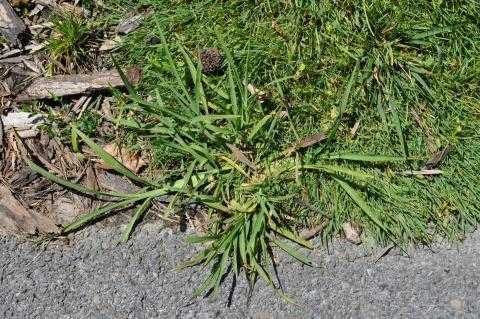
Overseeding can indeed play a significant role in preventing crabgrass in your lawn. By introducing new grass seed into existing grass, you can create a thicker, healthier lawn that crowds out weeds like crabgrass. This method not only improves turf density but also enhances the overall resilience of your lawn against various pests and diseases. However, it’s important to note that overseeding works best when combined with other good lawn care practices, such as proper fertilization, watering, and mowing. In this article, we’ll dive deeper into how overseeding can help you combat crabgrass effectively and share tips to maximize the benefits of this technique. Let’s get your lawn looking its best while keeping those pesky weeds at bay!

“`html
Will Overseeding Help Prevent Crabgrass?
Overseeding is a popular lawn care practice, but many homeowners wonder: **Will overseeding help prevent crabgrass?** To answer this question, we need to explore what overseeding entails and how it impacts your lawn’s health in relation to crabgrass invasion.
What is Overseeding?
Overseeding is the process of planting grass seed directly into existing turf without disturbing the soil too much. It helps fill in thin or bare areas of your lawn.
– **Boosts Grass Density:** By adding more grass seed, you increase the density of your lawn.
– **Enhances Color:** A well-maintained lawn looks lush and vibrant.
– **Improves Resilience:** A thick lawn can withstand pests and diseases better.
Understanding Crabgrass
Crabgrass is a common weed that can wreak havoc on your beautiful lawn. It thrives in warm temperatures and can quickly take over if given the chance.
– **Growth Cycle:** Crabgrass germinates in spring when soil temperatures rise.
– **Competition for Resources:** It competes with your grass for water, nutrients, and sunlight.
How Crabgrass Spreads
Crabgrass can spread rapidly through seeds and rooting where they touch the ground.
– **Seed Production:** One crabgrass plant can produce thousands of seeds.
– **Root System:** They have a shallow root system, making them easy to pull but difficult to eliminate once established.
Will Overseeding Help Prevent Crabgrass? Exploring the Relationship
The answer is yes! Overseeding can significantly help in preventing crabgrass, but there are nuances to consider.
Creates a Competitive Advantage
Adding more grass through overseeding strengthens your lawn’s ability to compete.
– **Thicker Turf:** A thicker lawn can choke out crabgrass by blocking sunlight.
– **Resource Competition:** With more grass, there’s less room and fewer resources available for crabgrass.
Timing Is Key
The effectiveness of overseeding in preventing crabgrass is closely tied to timing.
– **Early Fall or Spring:** The best time to overseed is in early fall or late spring. This timing overlaps with crabgrass’ growth cycle.
– **Pre-emergent Herbicides:** If you are using a pre-emergent herbicide, ensure it is compatible with overseeding.
Best Practices for Overseeding
For overseeding to be effective, it’s essential to follow best practices.
Soil Preparation
Proper soil preparation can improve the success rate of overseeding.
– **Mow Low:** Mow your existing lawn shorter than usual to allow sunlight to reach the soil.
– **Aerate the Soil:** Aerating the soil can help seeds penetrate better and increase germination rates.
Choosing the Right Seed
It’s crucial to select the appropriate type of grass seed for your region.
– **Local Grass Varieties:** Use grass varieties that are native or well-suited to your climate.
– **Blends:** Consider using a blend of grasses to provide a diverse and resilient lawn.
Watering Practices
After overseeding, proper watering is essential for seed germination.
– **Frequent Light Watering:** Water lightly and frequently to keep the soil moist.
– **Avoid Overwatering:** Too much water can drown the seeds and lead to rot.
Maintaining Your Overseeded Lawn
Once you’ve overseeded, maintaining your lawn is critical to preventing crabgrass.
Mowing Height
Keep an appropriate mowing height for your grass.
– **Recommended Height:** Most grass types prefer to be mowed at about three inches.
– **Regular Mowing:** Consistent mowing helps encourage thicker growth.
Nutrient Management
A healthy lawn requires proper nutrients to grow strong and resist weeds.
– **Fertilization Schedule:** Apply a balanced fertilizer after overseeding, following up with seasonal feedings.
– **Soil Testing:** Conduct a soil test to determine if additional nutrients are needed.
Weed Control Techniques
Maintaining a weed-free lawn is essential, even after overseeding.
– **Cultural Practices:** Use cultural practices like mulching and proper watering to discourage crabgrass.
– **Manual Removal:** Hand-pull any crabgrass that does appear before it seeds.
Combining Overseeding with Other Practices
Overseeding can be even more effective when combined with other lawn care practices.
Use of Herbicides
Herbicides can be a useful tool in managing weeds like crabgrass.
– **Pre-emergent Herbicides:** Apply them before the crabgrass seeds germinate.
– **Post-emergent Herbicides:** If crabgrass establishes, post-emergent options are available as well.
Mulching
Mulching can be an effective way to suppress weeds.
– **Apply Organic Mulch:** Layering organic mulch around garden beds can block light and reduce crabgrass growth.
– **Maintain Proper Thickness:** A 2-3 inch layer is usually sufficient.
Environmental Factors Influencing Crabgrass Growth
Understanding the environment can also help mitigate crabgrass growth.
Soil Health
Healthy soil leads to healthier grass, which can outcompete weeds.
– **Compaction Issues:** Aerate compacted soil to improve grass health and encourage deeper rooting.
– **pH Levels:** Ensure your soil pH is within the ideal range for your grass type.
Weather Conditions
Weather plays a significant role in crabgrass success.
– **Warm Temperatures:** Crabgrass thrives in warm weather and can outpace slower-growing grasses.
– **Moisture Levels:** Ensure your grass gets adequate moisture, especially during dry spells.
Summary of Benefits of Overseeding
Let’s summarize how overseeding can help prevent crabgrass.
– **Increased Competition:** More grass means less room for crabgrass to grow.
– **Strengthened Grass:** A thicker lawn is more resilient to weed invasion.
– **Enhanced Aesthetics:** Overseeding improves the overall look and health of your lawn.
Through thoughtful planning and proper maintenance, overseeding can be a successful strategy for managing crabgrass and promoting a lush, healthy lawn.
To conclude, proper overseeding not only helps in preventing crabgrass but also revitalizes worn-out lawns, making them thrive. It’s an effective step toward achieving a beautiful and healthy outdoor space.
“`
How to – Plant grass seed to stop crabgrass
Frequently Asked Questions
“`html
How does overseeding improve lawn density?
Overseeding increases the number of grass plants in your lawn, creating a denser turf. This dense growth helps shade the soil, making it less conducive for crabgrass and other weeds to germinate and thrive. A thick lawn can outcompete weeds for resources like water, sunlight, and nutrients, which reduces their chances of establishing themselves.
What is the best time to overseed for crabgrass prevention?
The ideal time to overseed is during the early fall or late spring when the soil temperatures are optimal for grass seed germination. Overseeding during these periods allows the new grass to establish strong roots before facing heat or competition from crabgrass, which is more likely to germinate in warmer conditions.
Are there specific grass types that are more effective in overseeding?
Yes, selecting the right grass type plays a critical role in preventing crabgrass. Cool-season grasses like Kentucky bluegrass or tall fescue thrive in northern climates, while warm-season grasses such as Bermuda or Zoysia are suitable for southern regions. Choosing the type that matches your climate promotes a healthy lawn, which in turn helps suppress crabgrass growth.
Can overseeding be done in conjunction with other weed control methods?
Absolutely, overseeding works well alongside other weed control strategies. Incorporating pre-emergent herbicides prior to overseeding can prevent crabgrass seeds from germinating while allowing your grass seeds to thrive. It’s essential to choose herbicides that do not harm new grass seedlings after they emerge.
How frequently should I overseed to maintain a healthy lawn?
Generally, overseeding once a year is sufficient for maintaining lawn density and health. However, lawns that experience heavy use or are prone to wear may benefit from overseeding every six months. Regular overseeding helps keep the turf thick, which in turn continues to suppress crabgrass and other weeds.
“`
Final Thoughts
Overseeding can effectively help create a thicker lawn, which in turn can reduce the chances for crabgrass to thrive. A dense lawn offers less sunlight and space for crabgrass seeds to germinate, promoting healthier grass growth. Regular overseeding not only strengthens your lawn but also improves its overall resilience against weeds.
In summary, will overseeding help prevent crabgrass? Yes, it plays a significant role in crowding out this troublesome weed while enhancing your lawn’s visual appeal and health. Implementing overseeding practices is a proactive approach to maintaining a lush, green yard.