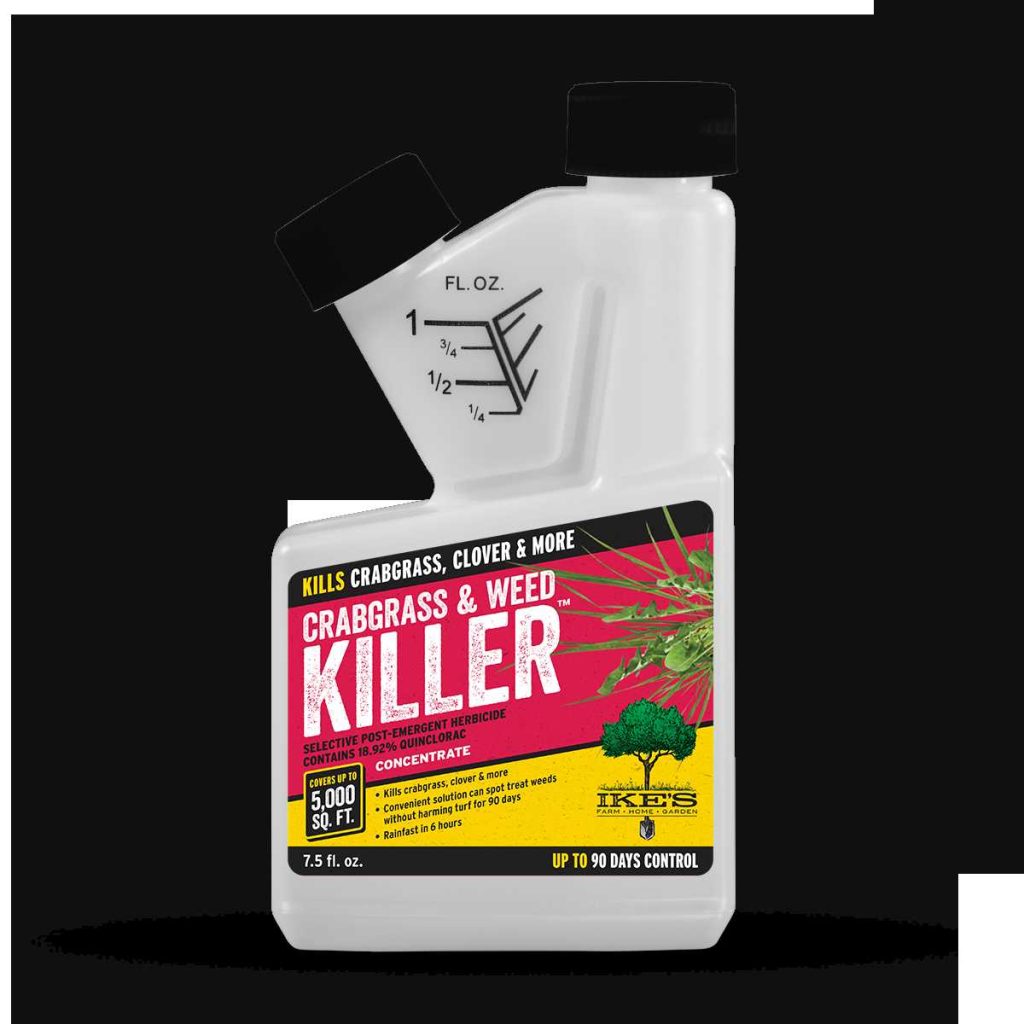
Quick Answer: To effectively kill crabgrass, herbicides containing active ingredients like quinclorac, fenoxaprop-p-ethyl, dithiopyr, or mesotrione can be used. These herbicides target the crabgrass specifically, without harming the surrounding grass.
Introduction:
Dealing with crabgrass infestation can be a frustrating battle for any homeowner or gardener. This invasive weed can quickly take over your lawn, choking out the desired grass and spoiling the appearance of your yard. So, what herbicides can you use to effectively eliminate crabgrass without damaging the rest of your lawn? In this article, we will explore the top herbicides that have proven successful in killing crabgrass.
When it comes to controlling crabgrass, it’s essential to choose the right herbicide for the job. Herbicides containing active ingredients such as quinclorac, fenoxaprop-p-ethyl, dithiopyr, or mesotrione have shown excellent results in eradicating crabgrass while sparing the surrounding grass. These herbicides work by targeting the crabgrass specifically, inhibiting its growth or disrupting its metabolic processes.
In the following sections, we will delve deeper into the properties and effectiveness of each herbicide, as well as provide expert tips on their proper application. So, let’s get started on our journey to banish crabgrass from your lawn and regain the beautiful, healthy turf you desire.

What Herbicides Kill Crabgrass: A Comprehensive Guide
Introduction
Crabgrass is a common weed that can quickly take over your lawn, ruining its appearance. It’s a resilient and fast-growing grass weed that can become a nightmare for any homeowner. Luckily, there are effective herbicides available to eradicate this pesky invader. In this guide, we will explore various herbicides specifically designed to tackle crabgrass and provide you with the knowledge you need to successfully eliminate it from your lawn.
The Importance of Choosing the Right Herbicide
Before we dive into the specific herbicides that can kill crabgrass, it’s crucial to understand the importance of choosing the right product. Not all herbicides are created equal, and using the wrong one may yield ineffective results or harm your desired plants. Consider the following factors when selecting a herbicide:
1. Selectivity: Ensure that the herbicide you choose targets only crabgrass and doesn’t harm the surrounding grass or desired plants. Selective herbicides are designed to kill specific weeds without damaging other vegetation.
2. Pre-emergent vs. Post-emergent: Crabgrass can be controlled using either pre-emergent or post-emergent herbicides. Pre-emergent herbicides are applied before crabgrass seeds germinate, while post-emergent herbicides are used after the weed has already sprouted. Understanding the growth cycle of crabgrass will help you determine which type of herbicide is most suitable.
3. Safety: Always prioritize the safety of your family, pets, and the environment. Choose herbicides that are labeled as safe for use in residential areas and follow the manufacturer’s instructions regarding application and precautions.
Effective Pre-Emergent Herbicides
Pre-emergent herbicides are generally more effective in preventing crabgrass growth, as they target the weed before it emerges from the ground. Here are some recommended pre-emergent herbicides known for their effectiveness against crabgrass:
1. Prodiamine
– Active Ingredient: Prodiamine
– Selectivity: Selective to crabgrass, safe for most turfgrass species
– Application: Apply in early spring before soil temperatures reach 55°F (13°C)
– Benefits: Provides extended control and prevents crabgrass germination for up to eight months
2. Dithiopyr
– Active Ingredient: Dithiopyr
– Selectivity: Selective to crabgrass, safe for most turfgrass species
– Application: Apply before crabgrass seed germination, typically in early spring or late summer
– Benefits: Controls both pre- and post-emergent crabgrass, making it effective for season-long control
Effective Post-Emergent Herbicides
Post-emergent herbicides are used when crabgrass has already sprouted. While they may not be as effective as pre-emergent options, they can still help in controlling and eliminating crabgrass from your lawn. Here are a few notable post-emergent herbicides:
1. Quinclorac
– Active Ingredient: Quinclorac
– Selectivity: Selective to crabgrass, safe for most turfgrass species
– Application: Apply when crabgrass is actively growing but before it reaches the tillering stage
– Benefits: Effectively kills crabgrass and other broadleaf weeds, such as dandelions and clover
2. Fenoxaprop-p-ethyl
– Active Ingredient: Fenoxaprop-p-ethyl
– Selectivity: Selective to crabgrass, safe for most cool-season turfgrasses
– Application: Apply to young crabgrass plants during active growth
– Benefits: Controls young, actively growing crabgrass without harming the desirable turfgrass
Additional Tips for Effective Crabgrass Control
While herbicides play a significant role in crabgrass control, there are additional steps you can take to maximize effectiveness. Consider the following tips:
– Regularly mow your lawn to promote a healthy turf, as taller grass shades out crabgrass and prevents its growth.
– Keep your lawn well-fertilized to encourage strong growth, which can help crowd out crabgrass.
– Water deeply but infrequently. Crabgrass thrives in moist soil, so proper watering techniques can discourage its growth.
– Overseed your lawn with desirable turfgrass species to fill in any bare patches and prevent crabgrass from taking hold.
Choosing the right herbicide for crabgrass control is essential to maintain a healthy and weed-free lawn. Pre-emergent herbicides target the weed before it sprouts, while post-emergent options are effective against established crabgrass. Remember to carefully read and follow the herbicide manufacturer’s instructions to ensure proper application and safety. By combining herbicide treatments with proper lawn care practices, you can successfully eliminate crabgrass and restore the beauty of your lawn.
How to Get Rid of Crabgrass (4 Easy Steps)
Frequently Asked Questions
What are some herbicides that effectively kill crabgrass?
There are several herbicides available in the market specifically designed to target and eliminate crabgrass. Here are a few commonly used ones:
How does a selective herbicide kill crabgrass without harming other plants?
Selective herbicides work by targeting specific types of plants, such as crabgrass, while leaving other desirable plants unharmed. They typically contain chemicals that interfere with the growth and development of crabgrass but have little or no effect on other vegetation.
When is the best time to apply herbicides to kill crabgrass?
The ideal time to apply herbicides for crabgrass control depends on the type of herbicide used and the stage of crabgrass growth. Pre-emergent herbicides are typically applied in early spring before crabgrass seeds germinate, while post-emergent herbicides are effective when crabgrass is actively growing. It’s crucial to follow the product instructions for proper application timing.
Can organic or natural herbicides effectively eliminate crabgrass?
Organic or natural herbicides can be used to control crabgrass, but their effectiveness may vary. Products containing ingredients like vinegar, corn gluten meal, or essential oils can help inhibit crabgrass growth to some extent. However, they may not provide the same level of control as synthetic herbicides.
Do herbicides kill crabgrass permanently?
While herbicides can effectively kill existing crabgrass plants, they may not completely eliminate the weed permanently. Crabgrass seeds can remain dormant in the soil for years, and new plants may emerge in subsequent growing seasons. Regular lawn maintenance, including proper mowing and watering, along with consistent use of herbicides, can help minimize crabgrass infestation over time.
Final Thoughts
Herbicides are an effective solution for combating crabgrass. Several herbicides have proven to be successful in controlling and killing crabgrass. Some popular options include products containing active ingredients like quinclorac, fenoxaprop-p-ethyl, and dithiopyr. These herbicides work by inhibiting the growth and development of crabgrass, ultimately leading to its demise. By targeting crabgrass specifically, these herbicides offer an efficient and targeted approach to eliminating this troublesome weed. When searching for the best herbicides, look no further than those specifically formulated to kill crabgrass.