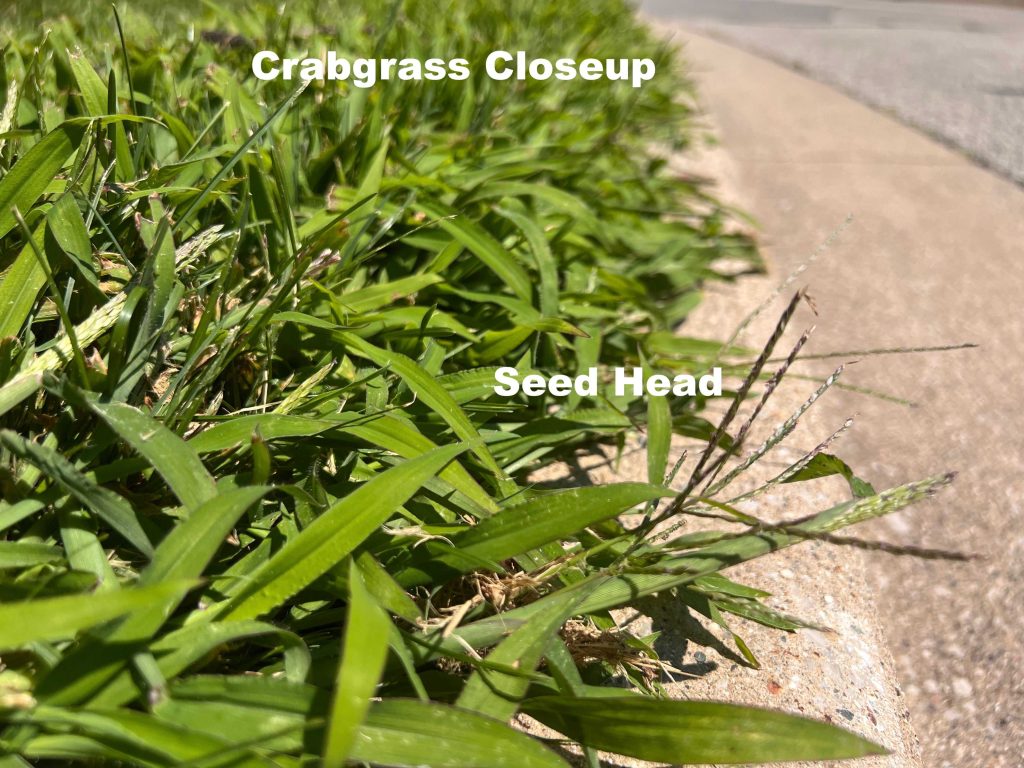
Yes, crabgrass does come back every year. This resilient weed can be quite frustrating for gardeners and lawn enthusiasts alike. It thrives in warm weather and typically rears its head during the summer months. While it may seem like a persistent foe, understanding its life cycle can help you manage it effectively. Crabgrass primarily spreads through seeds, so controlling it often involves proactive measures like proper lawn care, pre-emergent herbicides, and regular mowing. In this article, we’ll delve deeper into the characteristics of crabgrass, how it grows, and the best strategies to prevent its comeback season after season. With the right knowledge and techniques, you can keep your lawn healthy and minimize the chances of crabgrass returning each year.

“`html
Does Crabgrass Come Back Every Year?
Crabgrass is a common lawn weed that many homeowners encounter. It often causes frustration as it seemingly appears out of nowhere. But the real question is, “Does crabgrass come back every year?” To answer this, we need to understand the lifecycle and growth patterns of crabgrass.
Understanding Crabgrass
Crabgrass, scientifically known as *Digitaria*, is an annual grass weed. This means it completes its life cycle within a single growing season. As an annual weed, it germinates, grows, flowers, and dies all within one year. However, this doesn’t mean it doesn’t come back the following year.
Annual Life Cycle Explained
Crabgrass seeds typically germinate in early spring. As the temperatures rise, they sprout and begin to grow. The plant can grow quite quickly, often outpacing desirable grass in your lawn. It also produces a significant amount of seeds that can survive through winter.
- Germination: Begins in early spring when soil temperatures reach around 55°F.
- Growth: Crabgrass can grow rapidly, with some species reaching a height of over 2 feet.
- Seed Production: Each plant can produce thousands of seeds, ensuring its return.
By understanding this lifecycle, we can see why crabgrass may appear to come back every year.
How Crabgrass Survives Winter
While crabgrass is an annual, it survives through its seeds. These seeds can remain dormant in the soil for several years. When conditions are right, they germinate and lead to the growth of new crabgrass plants.
Seed Dormancy
Crabgrass seeds can remain viable for several years. This dormancy is a survival strategy against unfavorable conditions. Factors that affect seed germination include:
- Soil temperature
- Moisture levels
- Light exposure
In spring, when the environment is warm and moist, many seeds will germinate simultaneously, leading to a dense crop of crabgrass.
Management Strategies to Control Crabgrass
If you’re dealing with recurring crabgrass, effective management strategies can help. Since crabgrass can return due to its seeds, it’s crucial to implement preventive measures.
Preventive Measures
Controlling crabgrass begins with preventing its seeds from germinating. Here are some methods to consider:
- Use Pre-emergent Herbicides: These products can prevent crabgrass seeds from germinating.
- Maintain Healthy Grass: A thick and healthy lawn can compete better against crabgrass.
- Regular Mowing: Keeping your lawn mowed at the right height can reduce crabgrass growth.
Implementing these strategies can minimize the likelihood of crabgrass returning each year.
Identifying Crabgrass Early
The key to managing crabgrass is early detection. Knowing what to look for can save you time and effort in the long run.
Characteristics of Crabgrass
Crabgrass has some distinctive features that set it apart from desirable grasses:
- Wide, flat leaves that spread outwards from the base.
- A light green color that differentiates it from darker lawn grasses.
- Forms a clumping habit, often appearing in patches.
By identifying crabgrass early, you can take action before it becomes widespread.
Environmental Factors Influencing Crabgrass Growth
Several environmental factors can influence the growth and return of crabgrass. Understanding these can help you create a less hospitable environment for this weed.
Soil Conditions
Crabgrass thrives in disturbed soils. Compact, bare, or poorly maintained soil can encourage its growth. Here are some soil conditions that favor crabgrass:
- Poor drainage
- Excessive compaction
- Low nutrient levels
Improving soil conditions can reduce crabgrass invasion significantly.
Sunlight Exposure
Crabgrass prefers sunny locations. Lawns that receive full sun are at a greater risk. Strategies to manage this include:
- Regularly overseeding with desirable grass types.
- Increasing shade through planting trees or shrubs.
By reducing sunlight, you can help control crabgrass populations.
In conclusion, while crabgrass itself is an annual plant, its ability to produce large quantities of seeds ensures that it can return every year. By understanding its lifecycle, implementing effective management strategies, and recognizing environmental influences, you can significantly reduce crabgrass in your lawn.
Regular maintenance and prevention are key to keeping your lawn crabgrass-free. With diligence, you can enjoy a lush, healthy lawn while keeping this unwelcome weed at bay.
“`
How to Get Rid of Crabgrass (4 Easy Steps)
Frequently Asked Questions
“`html
How can I prevent crabgrass from returning each season?
To prevent crabgrass from returning, you can create a healthy lawn environment. Regularly mow your grass at the proper height, maintain adequate moisture levels, and fertilize appropriately. Applying pre-emergent herbicides in early spring can also stop crabgrass seeds from germinating.
What conditions favor crabgrass growth?
Crabgrass thrives in warm weather and poor soil conditions. It prefers areas that receive full sunlight and has compacted or disturbed soil. Maintaining a thick, lush lawn helps to shade and compete with crabgrass, reducing its chances of flourishing.
Does crabgrass have a specific growing season?
Crabgrass typically germinates and grows during the warmer months, usually from late spring to early fall. The seeds need soil temperatures to rise above a certain threshold, making them more active during this period. Understanding this cycle helps in tailoring your lawn care practices accordingly.
Can lawn treatments eliminate existing crabgrass?
Yes, targeted lawn treatments can eliminate existing crabgrass. Post-emergent herbicides specifically formulated to target crabgrass can effectively kill the weed while sparing desirable grass. Timing and application techniques are crucial for optimal results.
Is crabgrass annual or perennial?
Crabgrass is classified as an annual plant, meaning it completes its life cycle within one growing season. However, it can reseed itself and return each year if not properly managed. Understanding its lifecycle helps in effective control measures.
What are the best methods for managing crabgrass?
The best methods for managing crabgrass include a combination of cultural practices and chemical treatments. Regular lawn maintenance, such as mowing, watering, and fertilizing, reinforces healthy grass growth. If necessary, apply herbicides at appropriate times to manage both existing crabgrass and prevent future growth.
“`
Final Thoughts
Crabgrass does come back every year if not managed properly. It spreads through seeds that can last in the soil for several years. If your lawn provides the right conditions, crabgrass will likely reappear each growing season.
To prevent its return, maintain a healthy lawn through proper mowing, watering, and fertilization. Applying pre-emergent herbicides in spring can also help control crabgrass before it emerges. Taking these steps can significantly reduce the chances of crabgrass establishing itself annually.