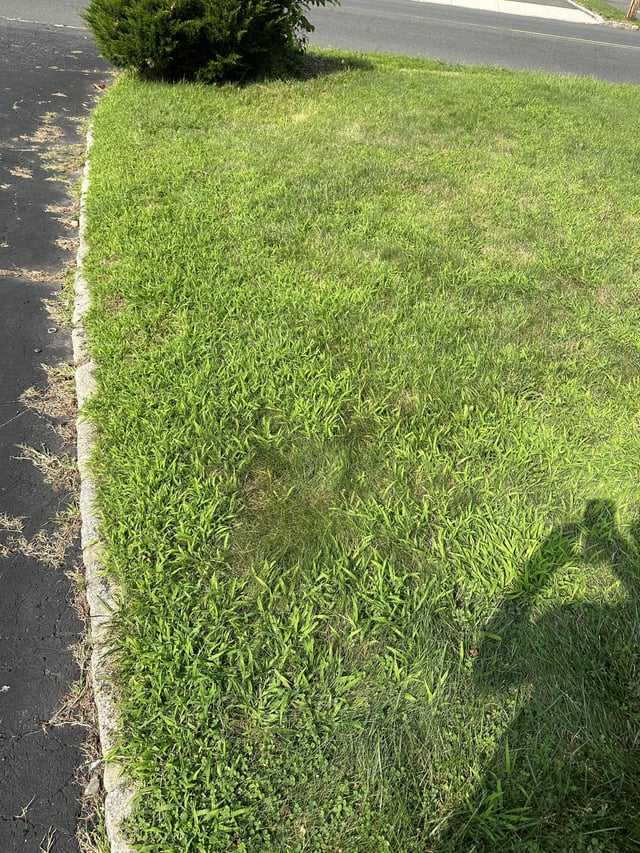
Quick Answer: Overseeding alone will not get rid of crabgrass. While overseeding can help improve the overall health and density of your lawn, it is not a solution for eliminating crabgrass. To effectively eradicate crabgrass, a combination of cultural, mechanical, and chemical control methods needs to be employed.
Introduction:
So, you’re battling with crabgrass in your lawn and wondering if overseeding can come to your rescue. Well, the truth is overseeding alone won’t get rid of crabgrass completely. However, don’t despair just yet! In this article, we will explore the relationship between overseeding and crabgrass control and discuss the best strategies to tackle this pesky weed.
Crabgrass, with its fast-growing and invasive nature, can quickly take over your lush green lawn, stealing nutrients and sunlight from your desired grasses. Overseeding, on the other hand, involves spreading grass seed over an existing lawn to fill in thin or bare spots and promote lawn health. While overseeding can help improve the overall density of your lawn, it is not a solution for crabgrass eradication.
To effectively combat crabgrass, a multi-faceted approach is necessary. This includes a combination of cultural practices, mechanical control, and targeted use of herbicides. So, let’s dive deeper into these control methods and discuss how they can be employed to reclaim your lawn from the clutches of crabgrass.

Will Overseeding Get Rid of Crabgrass?
Introduction
Crabgrass is the bane of every homeowner’s existence. It’s an aggressive, fast-spreading weed that can quickly take over a lawn if left unchecked. Many people turn to overseeding as a solution, hoping that by introducing new grass seed, they can crowd out the crabgrass and restore their lawn to its former glory. But does overseeding really get rid of crabgrass? In this article, we’ll delve into the topic to determine if overseeding is an effective method for eliminating crabgrass from your lawn.
The Crabgrass Problem
Before we discuss overseeding, let’s first understand the nature of the crabgrass problem. Crabgrass is a warm-season annual weed that thrives in bare or thin areas of the lawn. It germinates from seeds in the spring and spreads rapidly, taking advantage of any available space to establish itself. Once crabgrass takes hold, it can smother desirable grass and create unsightly patches in the lawn.
The Limitations of Traditional Crabgrass Control Methods
Controlling crabgrass traditionally involves using pre-emergent herbicides, which create a barrier on the soil surface to prevent crabgrass seeds from germinating. This method can be effective, but it has limitations:
- Timing is crucial: Pre-emergent herbicides must be applied before the crabgrass seeds germinate, which means you have a limited window of opportunity.
- Environmental impact: Some pre-emergent herbicides can harm beneficial plants and organisms if not used correctly.
- Resistant strains: Over time, crabgrass can develop resistance to certain herbicides, making them less effective.
Given these limitations, homeowners often wonder if overseeding can provide a more sustainable and long-term solution for crabgrass control.
The Concept of Overseeding
Overseeding involves spreading grass seed over an existing lawn to promote the growth of new grass in thin or damaged areas. The additional grass seed helps fill in gaps and create a denser turf, which can outcompete weeds like crabgrass. But is overseeding enough to eradicate crabgrass completely?
Benefits of Overseeding
Overseeding offers several benefits for your lawn beyond crabgrass control:
- Fills in bare spots: Overseeding helps cover up areas where crabgrass tends to take hold, preventing future infestations.
- Improved lawn health: The new grass from overseeding can enhance the overall health and vigor of your lawn, making it more resilient to crabgrass and other weeds.
- Thicker turf: A thick, healthy lawn not only looks better but also creates a hostile environment for crabgrass, making it harder for the weed to establish itself.
Crabgrass Persistence
While overseeding can have positive effects on crabgrass control, it’s important to note that crabgrass can still persist. Here are a few reasons why:
- Competition for resources: Even with overseeding, crabgrass can still vie for essential resources like water, nutrients, and sunlight, potentially inhibiting the growth of new grass.
- Timing and germination: Crabgrass tends to germinate earlier in the growing season compared to desirable grass species. If overseeding is done too late, crabgrass may already be established, limiting the effectiveness of the process.
- Crabgrass seed bank: Crabgrass seeds can remain dormant in the soil for years, waiting for the right conditions to germinate. Overseeding alone may not completely deplete the seed bank.
Combining Overseeding with Other Control Methods
To address the limitations of overseeding and improve crabgrass control further, it is recommended to combine this technique with other control methods. Here are a few strategies to consider:
Pre-emergent herbicides
To prevent crabgrass seeds from germinating, applying pre-emergent herbicides in conjunction with overseeding can provide a more comprehensive approach. This combination tackles both existing crabgrass and prevents new seedlings from emerging.
Proper lawn maintenance
Maintaining a healthy lawn through regular mowing, appropriate watering, and proper fertilization can help create an environment where crabgrass struggles to thrive. Cutting the grass at the recommended height and following a consistent mowing schedule can also prevent crabgrass from gaining a foothold.
Cultural practices
Cultural practices such as aerating, dethatching, and improving soil quality can contribute to a healthier lawn, which is less susceptible to crabgrass infestation. These practices can be performed in conjunction with overseeding to achieve better results.
Hand-pulling and spot treatment
For severe crabgrass infestations, hand-pulling or spot treatment with a post-emergent herbicide may be necessary. This targeted approach helps eliminate established crabgrass plants without harming the surrounding grass.
While overseeding can help control crabgrass by promoting a denser turf, it may not completely eradicate the weed on its own. By combining overseeding with other control methods like pre-emergent herbicides and proper lawn maintenance, you can significantly enhance your chances of successfully getting rid of crabgrass. Remember, consistency and regular care are key to maintaining a crabgrass-free lawn. Stay vigilant, and your lawn will reward you with a lush, weed-free carpet of grass.
How to Get Rid of Crabgrass (4 Easy Steps)
Frequently Asked Questions
Will overseeding get rid of crabgrass?
Overseeding alone is not typically effective in getting rid of crabgrass. While overseeding can help improve the overall health and density of your lawn, it is not a targeted solution for eliminating crabgrass. Crabgrass is a persistent weed that spreads through seeds, and overseeding may not address the root cause of the problem. It is important to consider other methods specifically designed to control and eliminate crabgrass.
What other methods can be used to control crabgrass?
There are several methods you can use to control crabgrass effectively:
- Pre-emergent herbicides: These herbicides are applied before the crabgrass seeds germinate, creating a barrier that prevents them from growing.
- Post-emergent herbicides: These herbicides are used after the crabgrass has already emerged and are designed to kill the existing plants.
- Hand pulling: If you have a small infestation, hand pulling the crabgrass plants can be an effective method. However, be sure to remove the entire plant, including the roots, to prevent it from regrowing.
- Maintaining a healthy lawn: Regular mowing, proper watering, and fertilizing can help create a dense lawn that makes it difficult for crabgrass to establish and thrive.
Can overseeding help prevent future crabgrass growth?
Yes, overseeding can play a role in preventing future crabgrass growth. By overseeding, you can introduce new grass varieties that are more resistant to crabgrass or have a denser growth habit, making it harder for the weed to establish. However, it is important to note that overseeding alone may not provide complete control and should be combined with other crabgrass prevention methods, such as proper lawn maintenance and the use of pre-emergent herbicides.
When is the best time to overseed to minimize crabgrass growth?
The best time to overseed your lawn to minimize crabgrass growth is in early fall when soil temperatures are still warm, but the weed’s germination cycle is coming to an end. This timing allows the new grass seeds to establish and grow before the next crabgrass season begins. However, it is essential to follow proper overseeding techniques, including preparing the soil, choosing the appropriate grass seed, and providing adequate watering and care to ensure successful establishment.
Final Thoughts
Overseeding can be an effective approach to reducing the presence of crabgrass in your lawn. By introducing dense, healthy grass seeds into the existing turf, overseeding helps to create a competitive environment for crabgrass. The new grass fills in gaps and chokes out the weed, making it less likely to take hold and spread. While overseeding alone may not completely eliminate crabgrass, it is a valuable tool in an overall weed control strategy. Regular overseeding combined with proper lawn maintenance practices, such as mowing at the correct height and ensuring adequate fertilization, can help to significantly reduce crabgrass over time. So, will overseeding get rid of crabgrass? While it may not eradicate it completely, overseeding is a proactive and beneficial step towards minimizing the presence of this troublesome weed in your lawn.