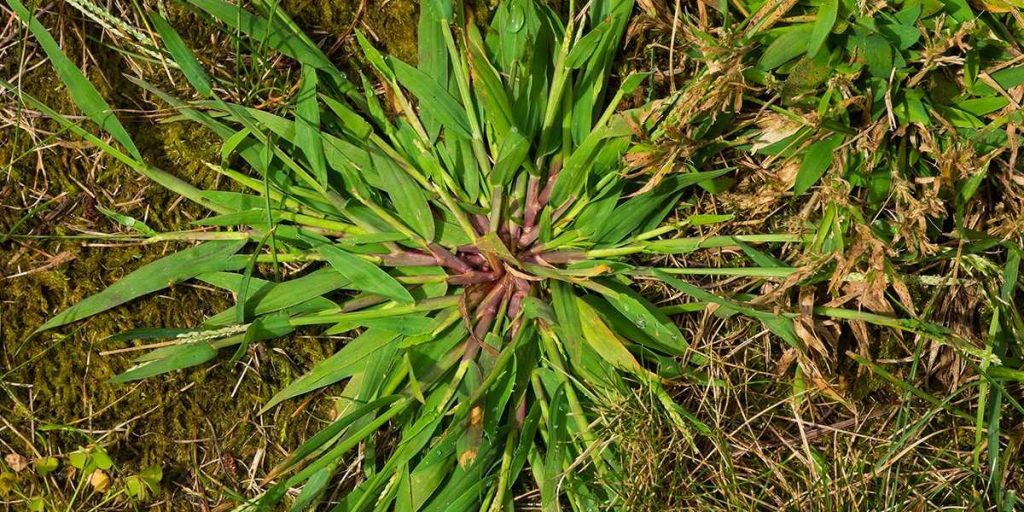
Quick Answer: No, crabgrass cannot survive winter as it is an annual weed that thrives in warm weather. Once the temperatures drop below freezing, crabgrass plants die off, leaving behind only seeds that lay dormant until the following spring.
Introduction:
Hey there, gardeners and lawn enthusiasts! Winter is upon us, and you might be wondering if that pesky crabgrass will make a comeback next year. Well, the good news is that crabgrass is an annual weed, meaning it completes its lifecycle within a single year. And like most warm-season annuals, crabgrass simply can’t handle the harsh conditions of winter.
When temperatures start to drop below freezing, crabgrass plants begin to wither away, unable to survive the chilly weather. Although you may still see some remnants of the weed sticking around, they won’t thrive or spread during this time. Instead, crabgrass leaves behind a multitude of seeds that lie dormant in the soil until spring arrives, when they have the opportunity to germinate and start the cycle all over again.
So, while crabgrass may be a nuisance during the warmer months, you can take comfort in knowing that it won’t be causing trouble during those frosty winter days. But don’t let your guard down just yet – come spring, those seeds will be waiting to challenge your lawn once more, requiring some preventive measures to keep your turf crabgrass-free.

Can Crabgrass Survive Winter?
Crabgrass is a common weed that can quickly take over lawns and gardens if left untreated. Many homeowners are concerned about whether crabgrass can survive the harsh winter months. In this article, we will explore the characteristics of crabgrass and its ability to endure winter conditions. Understanding this can help you better prepare and take necessary actions to prevent its growth and spread in your lawn.
Understanding Crabgrass
Before we delve into the topic of crabgrass surviving winter, let’s first understand what crabgrass is and why it can be such a nuisance. Crabgrass (scientifically known as Digitaria) is an annual grassy weed that tends to germinate in the spring and summer months. It thrives in warm-season grasses but can also emerge in cool-season lawns.
Crabgrass is characterized by its low-growing habit and spreading nature. It forms clumps with numerous branches that sprawl across the ground, creating a dense mat. This invasive weed competes with desirable plants for nutrients and water, ultimately weakening and overshadowing them.
Crabgrass Life Cycle
To comprehend whether crabgrass can survive winter or not, it’s essential to understand its life cycle. Crabgrass starts its lifecycle as seeds buried beneath the soil surface. These seeds can remain dormant until favorable conditions arise.
Once the soil temperature reaches around 55 to 60 degrees Fahrenheit (12 to 15 degrees Celsius), crabgrass seeds begin to germinate. This usually occurs in late spring or early summer. The emerging seedlings grow rapidly and compete fiercely with existing turfgrass.
As the summer months progress, crabgrass continues to grow, producing more seeds and expanding its coverage area. By late summer or early fall, crabgrass plants begin to flower, preparing for seed production.
Crabgrass and Winter
Now let’s address the burning question: can crabgrass survive winter? The answer is both yes and no, depending on various factors.
1. Freezing Temperatures
Crabgrass is a warm-season weed that thrives in hot conditions. It prefers temperatures between 80 to 95 degrees Fahrenheit (27 to 35 degrees Celsius). When exposed to freezing temperatures, crabgrass struggles to survive.
As winter approaches and temperatures drop, crabgrass plants begin to wither and die. The above-ground portions of the weed, including stems and leaves, cannot endure frost and cold snaps. However, it’s important to note that the seeds can still survive beneath the soil, waiting for the right conditions to germinate in the following spring.
2. Mild Winter Conditions
In regions with mild winter climates, where freezing temperatures are infrequent or short-lived, crabgrass may exhibit some level of winter survival. When exposed to mild conditions, the weed’s above-ground growth may not completely die off.
Mild winters can allow crabgrass to persist in a semi-dormant state, maintaining green leaves and some level of growth. This can give the weed a head start in the following spring, making it more challenging to control.
3. Snow Cover
The presence of snow can influence the survival of crabgrass during winter. Snow acts as an insulator, protecting the weed from extreme cold temperatures and drying winds.
In areas where snow cover is common, crabgrass may have a higher chance of surviving through the winter months. The layer of snow helps to maintain a more stable soil temperature, reducing the likelihood of freeze-thaw cycles that can damage or kill the weed.
4. Location and Climate
The ability of crabgrass to survive winter also depends on the specific location and climate. Warmer regions with milder winters, such as the southern parts of the United States, may experience more significant survival rates of crabgrass compared to colder northern regions.
Areas with unpredictable winter weather, where temperatures fluctuate frequently, may create challenging conditions for crabgrass survival. These fluctuations can cause the weed to experience alternating freezing and thawing cycles, increasing the likelihood of damage or death.
Preventing Crabgrass Winter Survival
While some crabgrass plants may survive winter, there are proactive steps you can take to minimize their growth and prevent its spread. Here are some essential strategies to employ:
1. Pre-Emergent Herbicides
Applying pre-emergent herbicides in early spring is an effective way to prevent crabgrass seeds from germinating. These herbicides create a barrier on the soil surface, inhibiting the growth of crabgrass and other weed seeds.
Timing is crucial when using pre-emergent herbicides. Apply them before soil temperatures reach the threshold for crabgrass germination. Consult with a lawn care professional or refer to local extension resources for specific recommendations based on your region.
2. Proper Lawn Care
Maintaining a healthy and dense lawn can help prevent crabgrass from taking hold. Implementing proper lawn care practices such as regular mowing, adequate watering, and appropriate fertilization promotes the growth of desirable grasses, reducing available space for crabgrass to establish itself.
3. Thatch Control
Thatch buildup can create favorable conditions for crabgrass development. Regularly dethatching your lawn helps prevent the accumulation of dead grass and debris, minimizing the potential for crabgrass invasion.
4. Post-Emergent Herbicides
If crabgrass does emerge in your lawn despite preventive measures, post-emergent herbicides can be used to target and eliminate the weed. These herbicides are applied directly to the crabgrass plants, effectively controlling their growth and preventing seed production.
5. Manual Removal
For smaller infestations, manual removal of crabgrass plants can be an effective approach. Ensure that you remove the entire plant, including the roots, to prevent regrowth. Be cautious not to disturb the surrounding turfgrass while pulling out the weed.
While crabgrass may struggle to survive freezing temperatures, its ability to endure winter varies depending on the climate, snow cover, and specific location. Taking preventive measures such as using pre-emergent herbicides, maintaining a healthy lawn, and practicing proper lawn care can significantly reduce crabgrass growth and prevent its spread. Stay vigilant and address crabgrass as early as possible to keep your lawn looking beautiful and weed-free.
Get Rid of Crabgrass in the Lawn
Frequently Asked Questions
Can crabgrass survive winter?
Yes, crabgrass can survive winter under certain conditions. While it is an annual weed that typically dies off in colder weather, some crabgrass seeds can overwinter and germinate in the following spring.
What factors determine whether crabgrass can survive winter?
The ability of crabgrass to survive winter depends on various factors such as the severity of the winter, the hardiness of the particular crabgrass species, and the condition of the soil. Additionally, the presence of a protective snow cover can also influence its survival.
Does crabgrass die completely during winter?
No, not all crabgrass plants die off completely during winter. While the majority of crabgrass plants do die with the arrival of cold weather, certain seeds can remain dormant in the soil and eventually germinate when conditions become favorable again.
How can I prevent crabgrass from surviving winter?
To prevent crabgrass from surviving winter, it is important to implement effective weed control strategies. These may include regular mowing to prevent seed production, maintaining a healthy lawn through proper watering and fertilization, and applying pre-emergent herbicides in the early spring and fall to prevent crabgrass seeds from germinating.
Does freezing temperature kill crabgrass?
Crabgrass is not typically frost-resistant and sustained freezing temperatures can cause most plants to die. However, as mentioned earlier, some crabgrass seeds can still survive and germinate in the following spring. Therefore, it is essential to remain vigilant with weed control measures even during winter.
Can crabgrass survive in areas with mild winters?
In regions with mild winters, crabgrass may have a higher chance of surviving. If the temperatures do not drop significantly and the ground does not freeze, crabgrass plants may continue to grow throughout the winter months. This makes it even more important to take proactive measures to control crabgrass growth in areas with milder climates.
Final Thoughts
Crabgrass is a formidable weed that can quickly take over lawns and gardens during the warmer months. But can crabgrass survive the winter? The answer is yes. Despite its reputation as a warm-season weed, crabgrass has developed survival tactics that allow it to persevere through the colder months. In mild climates, crabgrass can even remain actively growing throughout the winter. Its ability to survive lies in its resilience and the presence of stored energy in its roots. Understanding how crabgrass endures the winter can help homeowners develop effective strategies for managing this persistent weed. By implementing proper lawn care practices and utilizing targeted weed control methods, it is possible to minimize the presence of crabgrass in your lawn year-round. Don’t let crabgrass unleash havoc on your lawn this winter. Take action to protect your turf and maintain a beautiful, weed-free landscape.