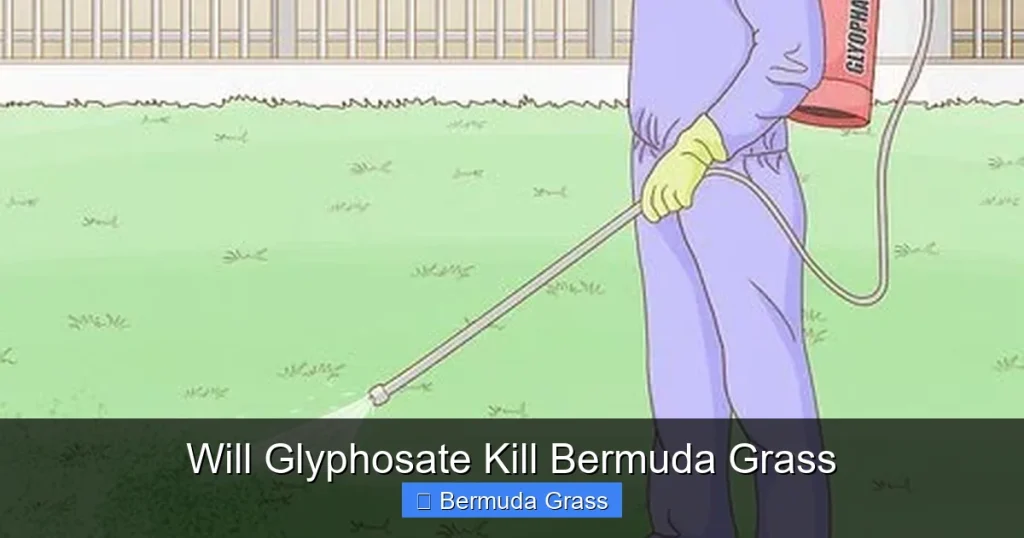
If you’re wondering whether glyphosate will kill Bermuda grass, this guide has you covered. We’ll explain how glyphosate works, the best application methods, and tips to ensure successful removal. Whether you’re renovating your yard or controlling unwanted grass, this guide helps you make informed decisions.
Will Glyphosate Kill Bermuda Grass
If you’re tired of Bermuda grass invading your lawn or garden space, you might be considering herbicides like glyphosate. You’re probably asking, Will glyphosate kill Bermuda grass? The short answer is: Yes, glyphosate can effectively kill Bermuda grass. However, the success depends on how you apply it and the timing. This comprehensive guide will walk you through everything you need to know about using glyphosate to remove Bermuda grass safely and effectively.
Key Takeaways
- Glyphosate effectively kills Bermuda grass: When used correctly, glyphosate can completely eliminate Bermuda grass from your lawn.
- Timing matters: Apply glyphosate when Bermuda grass is actively growing for best results, typically in late spring or summer.
- Preparation improves success: Properly mowing and moistening the grass enhances glyphosate absorption.
- Repeat applications may be necessary: Bermuda grass is resilient, and multiple treatments might be needed for complete removal.
- Safety precautions are essential: Always follow safety guidelines when handling herbicides to protect yourself and your environment.
- Post-treatment care: After killing Bermuda grass, plan for reseeding or planting your desired grass type for a healthy lawn.
Understanding Bermuda Grass and Glyphosate
Bermuda grass is a warm-season grass popular in southern lawns, sports fields, and golf courses. It’s resilient, spreads quickly, and can be tough to remove once established. If you want to remove Bermuda grass, herbicides like glyphosate can help, but they require proper application.
Glyphosate is a non-selective herbicide, meaning it kills most plants it contacts. It works by inhibiting an enzyme essential for plant growth. When applied correctly, it can eliminate Bermuda grass entirely. But because it’s non-selective, care must be taken to avoid harming desirable plants nearby.
Preparing to Use Glyphosate on Bermuda Grass
Step 1: Identify and Assess Your Bermuda Grass
Before applying glyphosate, confirm that the grass you want to kill is Bermuda. This grass is dense, with fine-textured blades that turn brown in dormancy. Proper identification ensures you’re targeting the right area.
Visual guide about Will Glyphosate Kill Bermuda Grass
Image source: yardique.com
Step 2: Clear the Area
Remove any debris, weeds, or other plants that could interfere with the herbicide’s contact with Bermuda grass. Clear the surface for even application.
Step 3: Mow the Bermuda Grass
Cut Bermuda grass to about 1-2 inches tall. Shorter grass exposes more surface area, allowing glyphosate to penetrate better. Wait a day or two after mowing before applying herbicide.
Step 4: Water the Area (Optional)
Moistening the soil slightly can help the grass absorb glyphosate more effectively. Avoid overly wet conditions, as excessive water can dilute the herbicide.
Applying Glyphosate to Bermuda Grass
Step 1: Choose the Right Herbicide
Use a glyphosate-based product suitable for lawns or spot treatments. Read the label carefully to ensure it’s appropriate for Bermuda grass and follow all safety instructions.
Step 2: Mix the Herbicide
Follow the manufacturer’s recommended dilution ratio. Using too much can harm desirable plants, while too little may be ineffective.
Step 3: Apply During Optimal Conditions
Apply on a dry, calm day to prevent drift. The best time is late spring or summer when Bermuda grass is actively growing, as the herbicide is absorbed more efficiently during this period.
Step 4: Use a Spray Wand or Pump Sprayer
Apply the glyphosate evenly over the Bermuda grass, ensuring thorough coverage. Focus on the leaves and stems for maximum absorption.
Post-Application Care and Follow-Up
Step 1: Wait and Observe
It typically takes 7-14 days to see signs of dieback. The grass will turn brown and die off gradually.
Step 2: Repeat if Necessary
If Bermuda grass isn’t fully dead after the first treatment, reapply glyphosate. Multiple applications may be necessary for complete removal.
Step 3: Remove Dead Grass
Once the grass is dead, rake and remove the dead material. This clears the way for reseeding or planting new grass.
Step 4: Reseed or Replant
After removing Bermuda grass, consider planting a different grass type or establishing ground cover to prevent weeds from returning.
Troubleshooting Common Issues
- Grass isn’t dying after application: Ensure you used the correct concentration, applied during the right season, and covered all the grass thoroughly.
- Herbicide drift affecting nearby plants: Use a shield or target only the Bermuda grass to avoid harming other plants.
- Regrowth after treatment: Bermuda grass can be stubborn. Repeat applications and proper lawn management help control it.
Safety Tips for Using Glyphosate
- Always wear protective gear: gloves, goggles, and long sleeves.
- Apply glyphosate on a calm, dry day to prevent drift.
- Keep children and pets away from treated areas until dry and safe.
- Follow all label instructions carefully.
Conclusion
Glyphosate is a powerful tool for killing Bermuda grass when used properly. Timing, preparation, and application technique are key to success. Remember, patience is essential — multiple treatments might be needed, but with persistence, you can reclaim your lawn from Bermuda grass invasion. After removal, consider reseeding or planting a new ground cover for a healthy, lush yard.
Additional Tips for Lawn Renovation
- Consider soil testing before reseeding to ensure optimal conditions.
- Choose a grass type suited for your climate and soil.
- Maintain proper lawn care routines to prevent Bermuda grass from re-establishing.