
Will Bermuda grass spread? Yes, Bermuda grass is known for its aggressive spreading habits. It can quickly cover large areas through runners and underground rhizomes, making it a popular choice for lawns. In this guide, you’ll learn how Bermuda grass spreads and how to manage its growth effectively.
Key Takeaways
- Bermuda grass spreads mainly through runners and rhizomes: These underground stems allow the grass to quickly fill in bare spots and expand across your lawn.
- Growth rate depends on climate and soil conditions: Warm temperatures and well-drained soil promote faster spreading.
- Regular mowing can influence spread: Frequent mowing helps control growth and prevent it from becoming invasive.
- Control methods are available: You can manage Bermuda grass spread using physical barriers, herbicides, or manual removal.
- Proper lawn care encourages healthy growth: Fertilization and watering help maintain a lush lawn and control unwanted spread.
Introduction
If you’re considering planting Bermuda grass or already have it in your yard, you might be wondering, Will Bermuda grass spread? The short answer is yes—it’s a vigorous grower that spreads quickly through runners and rhizomes. This trait makes it an excellent choice for creating a dense, durable lawn, but it can also become invasive if not properly managed. In this comprehensive guide, we’ll explore how Bermuda grass spreads, why it does so, and what you can do to control its growth. Whether you’re starting a new lawn or trying to manage an existing one, understanding Bermuda grass’s spreading habits will help you keep it healthy and contained.
How Does Bermuda Grass Spread?
1. Runners (Stolons)
Bermuda grass primarily spreads through runners, also known as stolons. These are horizontal stems that grow along the soil surface. As they extend outward from the parent plant, they root at nodes, forming new grass shoots. This allows Bermuda grass to quickly cover large areas and repair damage.
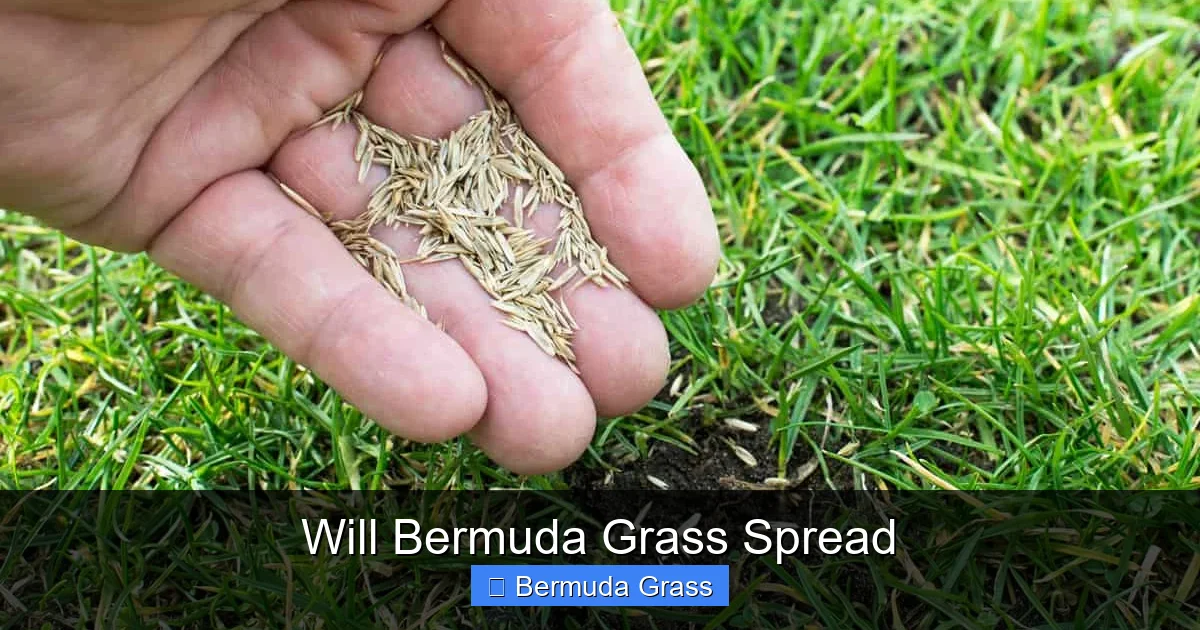
Visual guide about Will Bermuda Grass Spread
Image source: gardentabs.com
2. Rhizomes
In addition to stolons, Bermuda grass also spreads through rhizomes—underground stems that grow horizontally beneath the soil surface. Rhizomes help Bermuda grass invade deeper into the soil, making it more resilient and difficult to eradicate. They also produce new shoots at nodes, further expanding the lawn.
3. Seed Production
While Bermuda grass mainly spreads through runners and rhizomes, it can also produce seeds. However, seed dispersal is less common and plays a minor role in its spreading compared to vegetative methods. Most of the expansion occurs through the underground and surface stems.
Factors Influencing Bermuda Grass Spread
1. Climate
Bermuda grass thrives in warm, sunny climates. Higher temperatures speed up its growth rate, leading to faster spreading. It’s most active in USDA zones 7-10.
2. Soil Conditions
Well-drained, fertile soil encourages vigorous growth. Poor soil or overly wet conditions can slow its spread or cause disease, which may limit its expansion.
3. Water and Fertilization
Regular watering and fertilization promote healthy, dense growth. This can lead to rapid spreading, so proper lawn management is key to controlling its expansion.
How to Control Bermuda Grass Spread
1. Physical Barriers
Installing barriers such as edging or underground barriers can prevent Bermuda grass from spreading into unwanted areas. These should be at least 6 inches deep to block rhizomes effectively.
2. Manual Removal
For small patches, physically removing runners and rhizomes can be effective. Use a shovel or garden fork to dig out the rhizomes, ensuring you remove all fragments to prevent regrowth.
3. Herbicide Application
Selective herbicides containing glyphosate can target Bermuda grass. Apply carefully following instructions to avoid damaging desired plants. Repeat treatments may be necessary for complete control.
4. Lawn Maintenance Practices
Proper mowing height (around 1-2 inches) helps keep Bermuda grass healthy but not overly aggressive. Avoid overwatering and over-fertilizing, which can encourage excessive spreading.
Practical Tips for Managing Bermuda Grass Spreading
- Regular mowing: Maintain a mowing height of 1-2 inches to control growth and prevent runners from spreading unchecked.
- Consistent fertilization: Use balanced fertilizers to promote healthy turf that crowds out weeds and controls invasion.
- Proper watering: Water deeply but infrequently to encourage deep root growth and reduce surface runners.
- Monitor your lawn: Check regularly for new runners or rhizomes and remove them promptly.
- Use barriers: Install physical barriers when establishing Bermuda grass in areas where containment is needed.
Troubleshooting Common Issues
Overgrowth and Invasiveness
If Bermuda grass is spreading into unwanted areas, tighten your control methods. Use herbicides carefully, and reinforce physical barriers. Mowing at the correct height also helps limit spread.
Difficulty in Eradication
Complete removal can be challenging due to underground rhizomes. Combine manual removal with herbicide treatments for best results. Persistence is key, so monitor and repeat treatments as needed.
Conclusion
In summary, Bermuda grass *does* spread naturally through runners and rhizomes, making it a fast-growing and resilient turf option. While this characteristic makes it excellent for establishing a dense lawn, it also requires proper management to prevent invasiveness. By understanding how Bermuda grass spreads and implementing control strategies, you can enjoy a healthy, beautiful lawn without unwanted overgrowth. Regular maintenance, physical barriers, and targeted herbicides are your best tools for keeping Bermuda grass growth in check.
Final Tips
- Start with a clear plan for containment if you want to prevent spread into certain areas.
- Be consistent with lawn care practices to promote healthy growth and control invasion.
- Consult local lawn care experts or extension services for tailored advice in your region.