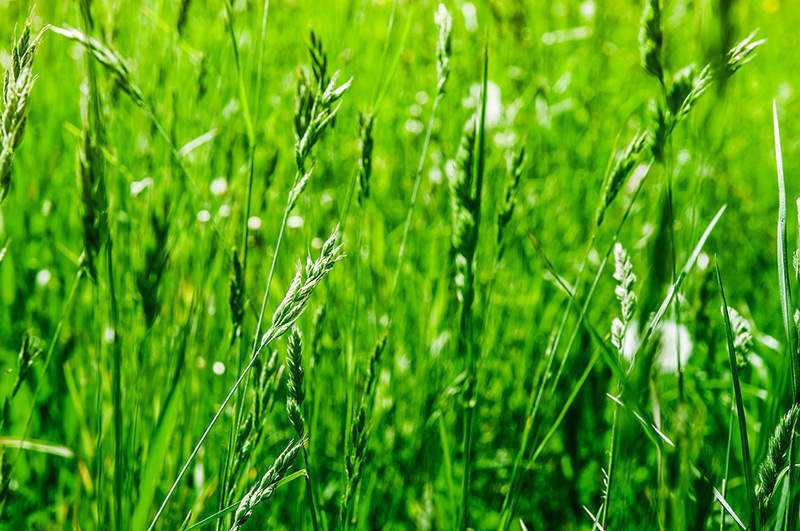
Yes, annual ryegrass has the ability to reseed itself. This means that once it has been established in an area, it can produce seeds that will germinate and grow new plants in subsequent growing seasons. This can be an advantageous trait for gardeners and farmers who want to ensure a continuous supply of ryegrass without having to manually replant each year.
Annual ryegrass, also known as Italian ryegrass, is a cool-season grass that is commonly used as a cover crop or forage crop. It has a rapid growth rate and can quickly establish a dense stand of grass. This makes it a popular choice for overseeding lawns, pastures, and fields in the fall.
When left to grow, annual ryegrass will eventually produce seedheads, which contain the seeds that can reseed the area. These seeds are dispersed by wind, animals, or other means and can remain dormant in the soil until conditions are favorable for germination.
In this article, we will explore the factors that contribute to the reseeding ability of annual ryegrass, as well as the benefits and considerations of allowing it to reseed itself. So, if you’re interested in learning more about this resilient grass and how it can benefit your landscape or agricultural practices, keep reading!

Will Annual Ryegrass Reseed Itself?
Annual ryegrass is a popular grass species that is known for its quick establishment and ability to provide lush green coverage. One common question that homeowners and gardeners ask is whether annual ryegrass will reseed itself. Let’s explore this topic in detail and understand the factors that influence the reseeding capability of this grass.
Understanding Annual Ryegrass
Before diving into the reseeding behavior of annual ryegrass, let’s understand the characteristics of this grass species. Annual ryegrass, scientifically known as Lolium multiflorum, is a cool-season grass that is widely used for overseeding lawns, pastures, and sports fields. As the name suggests, it grows and completes its life cycle within a year, usually during the cooler months.
Annual ryegrass is favored for its fast germination and establishment, making it an excellent choice for providing temporary coverage or improving the aesthetics of bare areas. It has a dense growth pattern, producing fine, dark-green leaves that create a lush appearance. This grass species also possesses a good tolerance for foot traffic, making it suitable for high-traffic areas.
Factors Influencing Reseeding Capability
The reseeding capability of annual ryegrass depends on various factors that affect seed production, dispersal, and germination. Understanding these factors can help determine whether the grass will reseed itself effectively. Here are the key factors to consider:
1. Climate and Temperature:
Annual ryegrass thrives in cooler climates with temperatures ranging from 50°F to 75°F (10°C to 24°C). It performs best in regions with mild winters and moderate rainfall. In warmer regions, the grass may struggle to produce viable seeds, reducing its reseeding potential.
2. Time of Planting:
The timing of annual ryegrass planting plays a crucial role in its reseeding ability. By overseeding in the late summer or early fall, the grass has enough time to establish before winter. This early establishment allows the plant to produce and disperse seeds before the arrival of warmer temperatures in spring.
3. Seed Quality:
High-quality seeds are essential for successful reseeding. When purchasing annual ryegrass seeds, it’s crucial to select certified seeds from reputable suppliers. Certified seeds ensure better germination rates and genetic purity, maximizing the chances of reseeding success.
4. Proper Maintenance:
Like any other grass species, annual ryegrass requires proper maintenance to promote reseeding. Regular mowing, adequate watering, and appropriate fertilization are vital for maintaining healthy growth. Allowing the grass to mature and produce seed heads without cutting them too early will enhance the reseeding process.
5. Competition from Other Plants:
Weeds and other plants can compete with annual ryegrass, reducing its seed production and dispersal. To ensure successful reseeding, it’s important to manage weed growth and minimize competition by maintaining a healthy, well-maintained lawn or pasture.
Benefits of Reseeding
Reseeding annual ryegrass can offer several benefits for homeowners and gardeners. Here are some advantages of allowing the grass to reseed itself:
- Cost-effective: Reseeding eliminates the need for purchasing new seeds each year, saving money in the long run.
- Continuous Coverage: Reseeding ensures continuous coverage and aesthetics, reducing the appearance of bare or patchy areas.
- Improved Soil Quality: Annual ryegrass reseeding can help improve soil health by adding organic matter and enhancing nutrient cycling.
- Erosion Control: The dense growth of annual ryegrass helps prevent soil erosion, making it beneficial for slopes and areas prone to erosion.
In conclusion, annual ryegrass has the potential to reseed itself, provided the right conditions and proper maintenance are met. Factors such as climate, timing of planting, seed quality, maintenance, and competition from other plants all play a role in the reseeding capability of this grass species. By understanding and optimizing these factors, homeowners and gardeners can enjoy the benefits of a self-reseeding annual ryegrass lawn or pasture. So, if you’re considering using this versatile grass, be sure to follow the recommended practices and enjoy the lush green coverage it can provide year after year.
Perennial Ryegrass Pros and Cons
Frequently Asked Questions
Does annual ryegrass reseed itself?
Yes, annual ryegrass has the ability to reseed itself under certain conditions.
What factors contribute to annual ryegrass reseeding?
Annual ryegrass reseeds itself when it produces viable seeds and the conditions are favorable for germination and establishment. Factors such as temperature, moisture, and soil fertility play a crucial role in the reseeding process.
How does annual ryegrass produce seeds for reseeding?
Annual ryegrass produces seeds after undergoing the reproductive phase. It forms seed heads that contain numerous seeds. These seeds can drop to the ground and remain dormant until conditions become suitable for germination.
What are the ideal conditions for annual ryegrass reseeding?
The ideal conditions for annual ryegrass reseeding include temperatures ranging from 50 to 65°F (10 to 18°C), consistent moisture in the soil, and proper soil fertility. These conditions support seed germination and establishment, allowing annual ryegrass to successfully reseed itself.
Can annual ryegrass reseed itself in all regions?
Annual ryegrass can reseed itself in regions with suitable climatic conditions. It is more likely to reseed in areas with mild winters and moderate temperatures throughout the year. However, its ability to reseed can vary depending on specific geographic and environmental factors.
How can I encourage annual ryegrass to reseed itself?
To encourage annual ryegrass to reseed itself, ensure that it is allowed to complete its reproductive phase before mowing or grazing. This allows the grass to produce seeds for reseeding. Additionally, providing optimal growing conditions such as proper moisture and soil fertility can increase the chances of successful reseeding.
Final Thoughts
Annual ryegrass is a resilient plant that has the ability to reseed itself. This means that once it is established in an area, it can continue to reproduce and grow without much intervention. As a result, annual ryegrass provides a sustainable and cost-effective option for farmers and homeowners who are looking to maintain a green and healthy lawn or pasture. By allowing the ryegrass to reseed itself, it can quickly fill in bare or patchy areas, creating a lush and vibrant landscape. So, if you are in search of a low-maintenance, self-sustaining grass option, annual ryegrass is the answer.