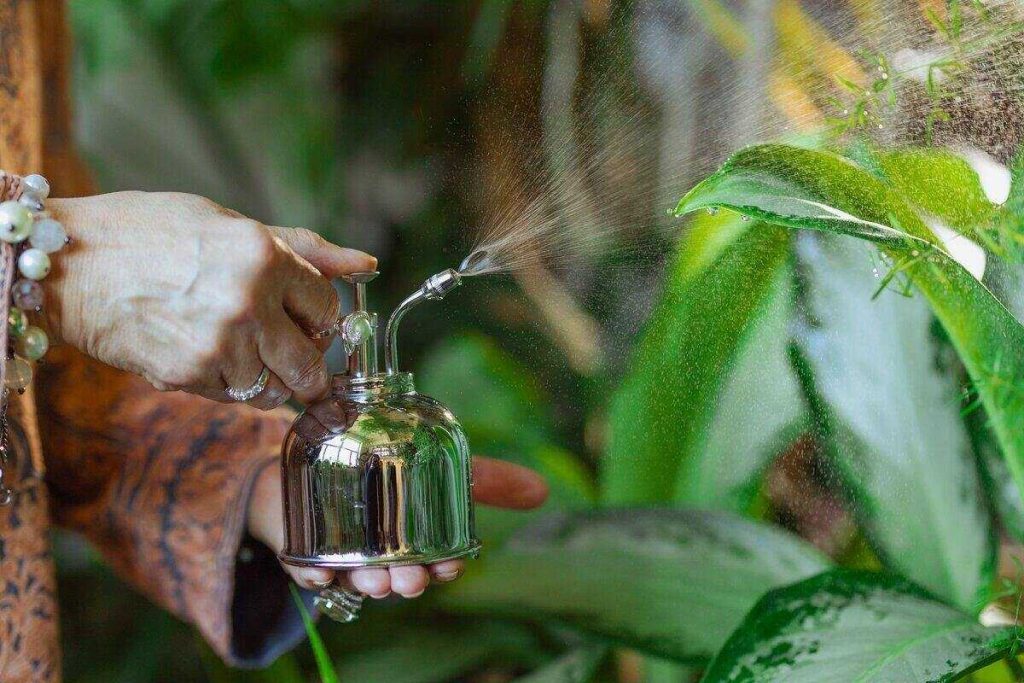
Hand watering plants can be a rewarding yet challenging gardening practice. The main benefit is the ability to deliver water directly to the roots, allowing for better absorption and reduced waste. However, it can also be time-consuming and labor-intensive. So, is hand watering worth it? If you enjoy spending time with your plants and want to closely monitor their hydration needs, then hand watering could be a great fit. But if you have a large garden or a busy schedule, consider the drawbacks such as physical strain and inconsistent watering. Ultimately, understanding the pros and cons can help you make an informed decision about whether hand watering suits your gardening style and lifestyle.

“`html
Pros And Cons Of Hand Watering Plants
Hand watering plants is a gardening technique that has existed for centuries. While some may argue for automated systems, many gardeners still prefer the personal touch of hand watering. This method comes with its own advantages and disadvantages. Understanding these can help you decide if hand watering is the best choice for you.
The Advantages of Hand Watering Plants
1. Control Over Watering
One of the most significant benefits of hand watering is the level of control it gives you. You can decide exactly how much water each plant receives. This is essential for plants with different watering needs.
2. Targeting the Roots
Hand watering allows you to direct water straight to the root zone. This encourages deep root growth and helps prevent issues such as overwatering and root rot. By ensuring water reaches the roots, you promote healthy plant development.
3. Observing Plant Health
When you hand water, you take time to inspect each plant. This gives you a chance to spot problems like pests, diseases, or nutrient deficiencies early on. Regular observation can save your garden from extensive damage.
4. Better Water Conservation
Hand watering can lead to better water conservation compared to automated systems. You can monitor the soil moisture and adjust your watering schedule accordingly. This is particularly useful in areas where water is scarce.
5. Physical Exercise
Gardening is a fantastic way to stay active. Hand watering involves physical movement that can be beneficial for your health. It’s a simple way to incorporate exercise into your daily routine.
The Disadvantages of Hand Watering Plants
1. Time-Consuming
One of the main drawbacks of hand watering is the time it takes. If you have a large garden, it can become a tedious task. You might find yourself spending a significant amount of your day watering plants by hand.
2. Inconsistent Watering
Hand watering can lead to inconsistency. If you’re in a rush, you may not give some plants enough water. This inconsistency can harm plants, especially those that thrive on regular watering schedules.
3. Physical Strain
Carrying watering cans or dragging hoses can lead to physical strain. Over time, this strain can result in aches and pains, especially in your back and wrists. It’s essential to be mindful of your physical health when hand watering.
4. Weather Dependency
Hand watering is often dependent on the weather. If you forget to water in dry conditions, plants can suffer. Adverse weather, like storms, can also wash away freshly watered soil, affecting plant growth.
5. Inefficiency for Large Gardens
For very large gardens, hand watering can be quite inefficient. It may take too long to adequately water all your plants. In such scenarios, you might want to consider alternative methods for efficiency.
Best Practices for Hand Watering Plants
To maximize the benefits of hand watering, consider the following tips:
- Water in the early morning: This helps minimize evaporation and allows plants to absorb moisture during the day.
- Aim for the base: Focus on watering at the base of plants to ensure the roots receive adequate hydration.
- Check soil moisture: Before watering, check the soil moisture level with your fingers to avoid overwatering.
- Use the right tools: Invest in a good-quality watering can or hose with an adjustable nozzle for better control.
- Observe your plants: Regularly monitor your plants for signs of stress or drought.
Comparative Analysis: Hand Watering vs. Automatic Systems
When deciding between hand watering and automatic irrigation systems, it’s crucial to consider various factors. Here’s a comparison of both methods to help you make an informed decision:
| Factor | Hand Watering | Automatic Systems |
|---|---|---|
| Control | High | Moderate |
| Time | Time-consuming | Efficient |
| Cost | Low initial cost | Higher setup costs |
| Physical activity | Promotes exercise | Sedentary |
| Observation | Encourages checking plant health | Less frequent plant interaction |
Environmental Considerations
Hand watering can also have a positive impact on the environment. By watering carefully, you can reduce water waste. Here are a few ways hand watering is eco-friendly:
- Less runoff: Targeted watering reduces water runoff into sidewalks and driveways.
- Water conservation: You can use collected rainwater or greywater, making it a sustainable option.
- Reduction of chemical use: Hand watering allows for organic gardening practices, reducing the need for chemicals and pesticides.
In conclusion, hand watering plants comes with various pros and cons. While it provides excellent control and promotes healthy plant growth, it can also be time-consuming and physically taxing. Ultimately, the choice to hand water or not depends on your personal preferences, garden size, and lifestyle. By weighing the benefits and drawbacks, you can create the best watering strategy for your plants and garden needs.
“`
Moisture Meter Pros and Cons ☔️☔️☔️ plus How to Use Them Correctly for Plants
Frequently Asked Questions
What are the benefits of hand watering plants?
Hand watering allows for greater control over the amount of water each plant receives, which can help prevent overwatering or underwatering. It also enables gardeners to observe their plants closely for signs of pests or diseases, fostering a more attentive gardening approach. Additionally, hand watering can be more beneficial for delicate or newly planted seedlings, as it minimizes the risk of damaging roots or soil structure.
How does hand watering compare to using a sprinkler system?
Hand watering is often more precise than using a sprinkler system. With hand watering, you can direct water exactly where it’s needed, reducing waste and ensuring that the roots receive adequate moisture. Conversely, sprinkler systems can distribute water unevenly, leading to some areas being overwatered while others remain dry. However, hand watering requires more time and effort compared to the convenience of automated systems.
Can hand watering affect the overall health of plants?
Yes, hand watering can significantly influence plant health. By allowing gardeners to monitor soil moisture closely, hand watering encourages a more personalized watering schedule. This can lead to healthier plants, as gardeners can adjust watering frequency based on specific plant needs, weather conditions, and soil type. Moreover, it promotes deep root growth, as plants learn to seek out moisture deeper in the soil.
What are the drawbacks of hand watering plants?
Hand watering can be time-consuming, especially for larger gardens. It requires consistent effort and can lead to physical strain if done excessively. Additionally, it may result in inconsistent watering if not performed regularly, which can stress plants. Gardeners may also miss some areas or forget to water certain plants altogether, leading to uneven hydration across the garden.
Is hand watering suitable for all types of plants?
Hand watering works well for a variety of plants, but certain types may benefit more from this method. Delicate seedlings, indoor plants, and containers often thrive with hand watering, as it allows for careful attention. Conversely, large landscapes or areas with drought-tolerant plants might require less frequent watering, making a sprinkler system a more practical choice. Ultimately, the suitability of hand watering depends on individual plant needs and the gardener’s commitment.
Final Thoughts
Hand watering plants has its advantages and disadvantages. On one hand, it allows for precise watering, ensuring that each plant receives the right amount. This method also fosters a deeper connection with your garden.
On the other hand, hand watering can be time-consuming, especially for larger gardens. It may also lead to inconsistency in water distribution if not done carefully. Weighing the pros and cons of hand watering plants helps gardeners make informed decisions about their irrigation methods.