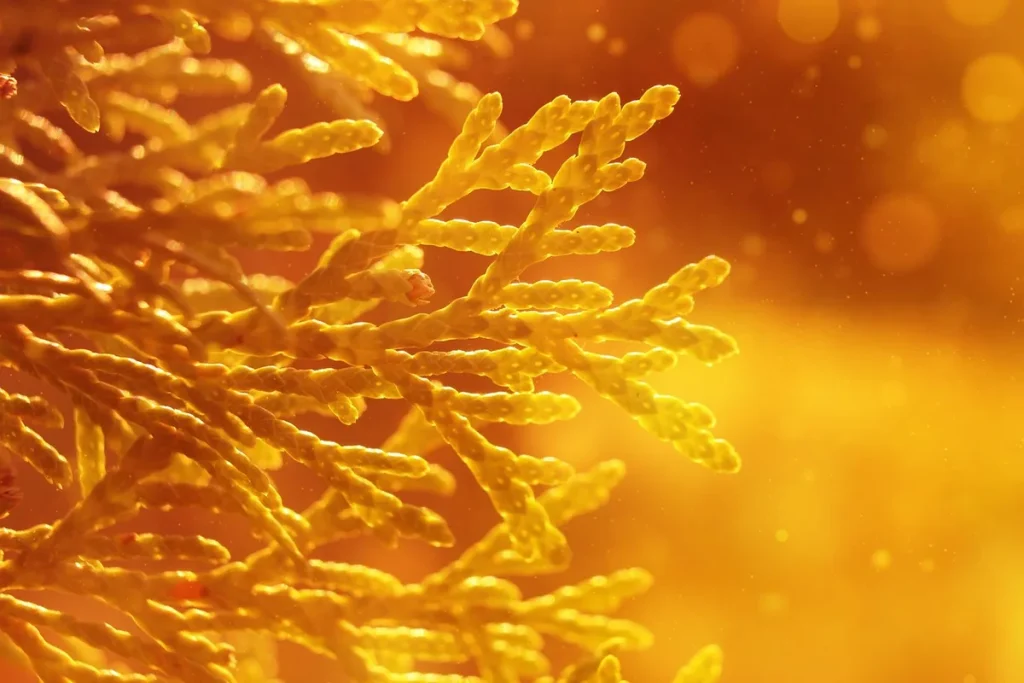
If your sunshine ligustrum is losing leaves, you're probably wondering whether it's dying or just going through a rough patch. The good news is that this is one of the most common issues gardeners face with this cultivar, and in most cases, it's fixable once you know what to look for. The trick is figuring out which of several possible causes is actually at play in your specific situation.
Sunshine Ligustrum (Ligustrum sinense 'Sunshine') is a sterile, non-seeding cultivar introduced by Monrovia and prized for its bright golden-yellow foliage and low-maintenance habit across USDA Hardiness Zones 6 through 10. It's supposed to be evergreen, so when leaves start dropping, something is off. Let's walk through the diagnostic process step by step so you can pinpoint the problem and take the right action.
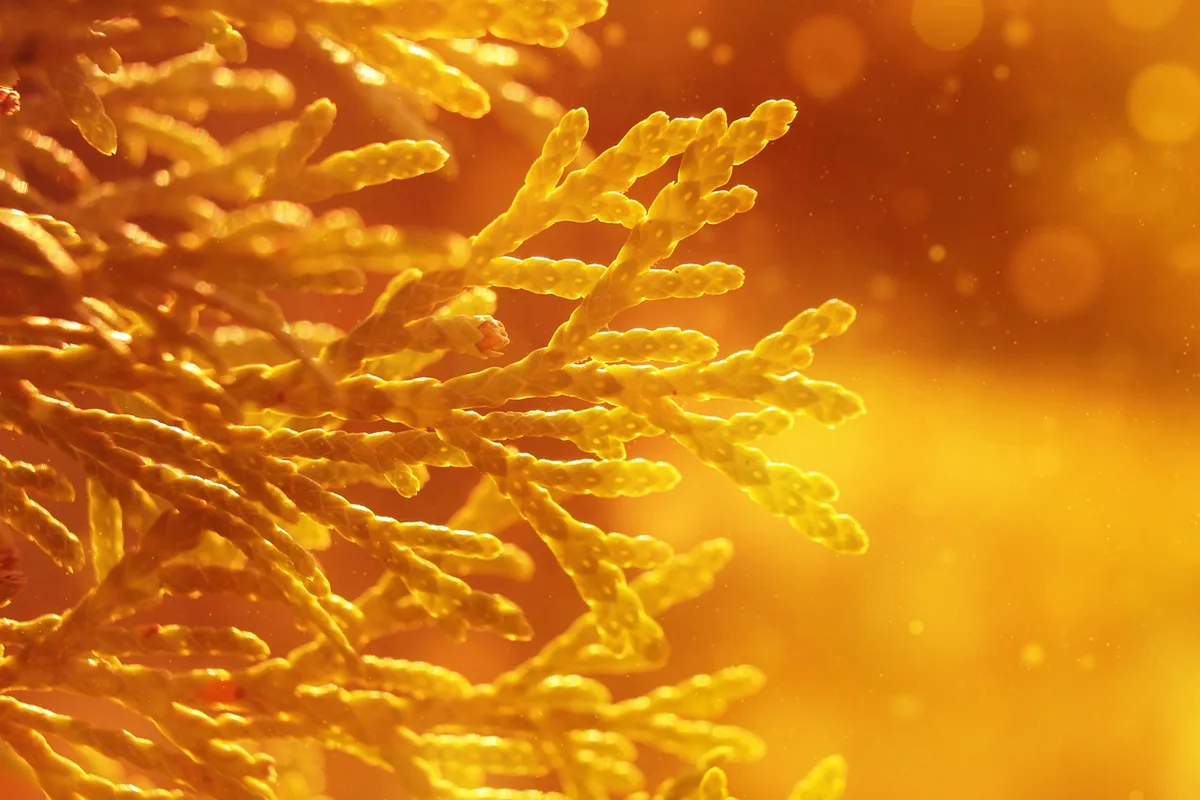
Image source: Pixabay / gosiak1980 (Pixabay Content License)
Quick Answer
Sunshine Ligustrum most often loses leaves due to overwatering, underwatering, or insufficient sunlight. Check your soil moisture first. If the soil is soggy 2 inches down, cut back on watering.
If it's bone dry, water deeply. Make sure the shrub gets at least 6 hours of direct sun daily. Seasonal leaf drop in late winter is normal and not a cause for concern.
The Most Common Cause — And Why It's Usually Not What You Think
Most people assume leaf drop means disease or pests. In reality, the number one cause of sunshine ligustrum losing leaves is water stress, and it cuts both ways.
Overwatering is the more frequent culprit, especially for container-grown plants or beds with heavy clay soil. When roots sit in waterlogged soil, they can't take up oxygen. They start to rot, and the plant responds by dropping leaves because it literally can't support them anymore.
The irony is that the symptoms of overwatering (wilting, yellowing, leaf drop) look almost identical to underwatering, so most gardeners water more and make the problem worse.
Underwatering is the other side of the coin. Sunshine Ligustrum is drought-tolerant once established, but "established" is the key phrase. New plantings and container specimens need consistent moisture during their first growing season.
If the soil dries out completely for extended periods, the plant will shed leaves to conserve resources.
The fix starts with one simple diagnostic step. Before you reach for fertilizer, pesticide, or any other remedy, check what's happening in the soil.
How to Diagnose What's Actually Going On
Think of this as a decision tree. Each check eliminates a category of causes and points you toward the right fix. Work through these in order.
Check Your Soil Moisture First
Stick your finger 2 to 3 inches into the soil at the base of the plant. You're feeling for one of three conditions.
- Soggy or wet: You're overwatering or the soil doesn't drain well. This is the most urgent issue to address.
- Bone dry: The plant is drought-stressed. Water deeply and adjust your schedule.
- Moist but not wet: Water isn't the problem. Move on to the next check.
For a more reliable reading, a basic soil moisture meter costs a few dollars and removes the guesswork. Per University Extension guidance, established sunshine ligustrum needs roughly 1 inch of water per week, either from rainfall or supplemental irrigation. Container plants dry out faster and may need water every 2 to 3 days in summer.

Image source: Wikimedia Commons / Henderson, Peter & Co.; Stumpp & Walter Co. (New York, N.Y.)
If the soil is waterlogged, also check whether the planting site drains properly. Dig a small hole about 12 inches deep, fill it with water, and time how long it takes to drain. If it sits for more than 4 hours, you've got a drainage problem that needs correcting before the plant will recover.
Look for Pests You Might Be Missing
Grab a handful of leaves and flip them over. You're looking for tiny insects, webbing, or stippled discoloration on the undersides.
The most common pests on sunshine ligustrum are:
- Aphids: Small, soft-bodied insects clustered on new growth. They suck sap and cause leaves to curl and drop.
- Spider mites: Nearly invisible to the naked eye. Look for fine webbing between branches and a dusty or stippled appearance on leaves.
- Whiteflies: Tiny white flying insects that scatter when you shake the branch. They feed on leaf undersides and cause yellowing and drop.
If you spot any of these, treatment is straightforward. A strong spray of water from the hose knocks off aphids and spider mites. For heavier infestations, insecticidal soap or neem oil applied to leaf undersides is effective.
Always treat in the early morning or evening to avoid leaf burn.
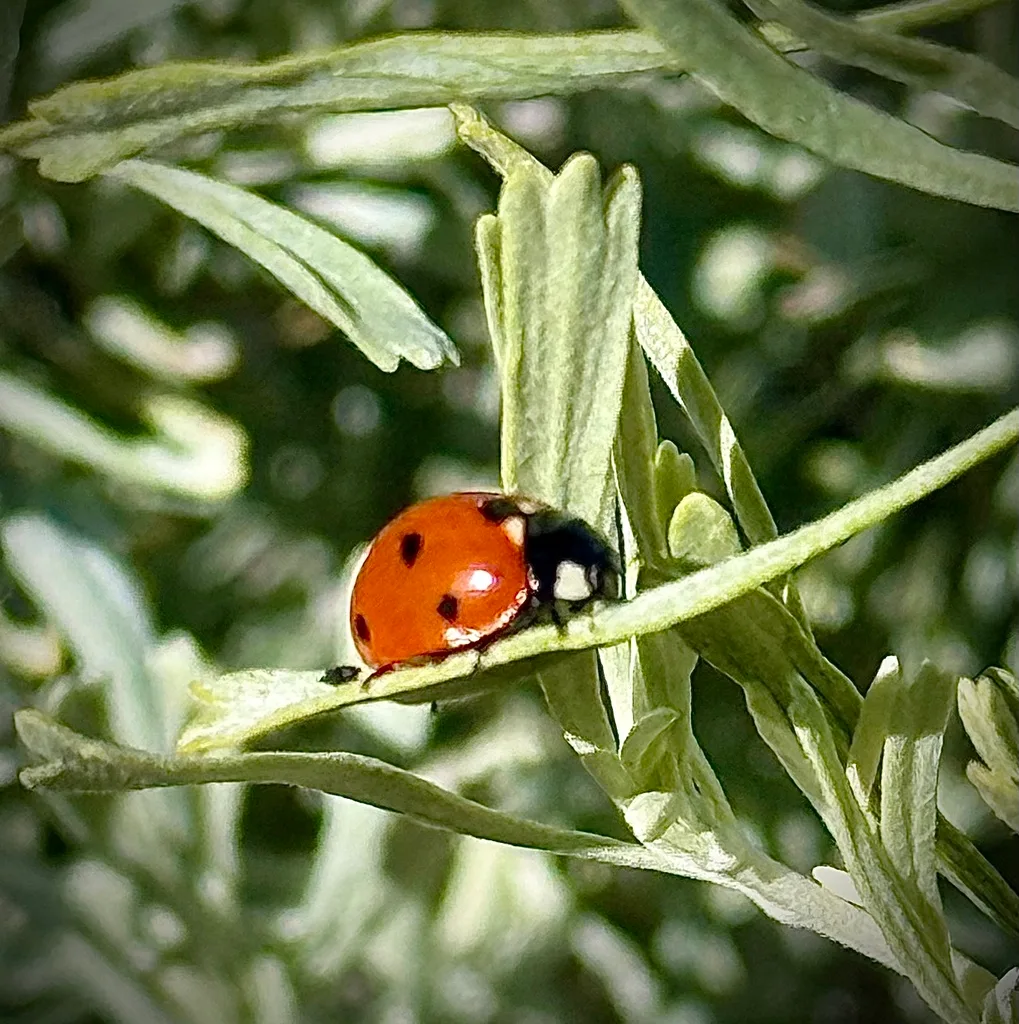
Image source: iNaturalist / Irene
Evaluate Sunlight and Placement
Sunshine Ligustrum earns its name. It needs a minimum of 6 hours of direct sunlight per day to maintain dense foliage and that signature golden color. In anything less than full sun, the plant becomes leggy, pale, and prone to leaf drop.
If your shrub is planted near a building, fence, or larger tree that's casting shade, that could be the entire problem. Observe the planting site at different times of day. If the shrub gets fewer than 6 hours of unobstructed sun, consider transplanting it to a sunnier location in fall or early spring when transplant stress is lowest.
Container plants are easier to fix. Just move the pot to a brighter spot and watch for improvement over the next few weeks.
Inspect the Roots and Soil Drainage
If moisture, pests, and sunlight all check out, it's time to look at the roots. This is especially important if the plant was recently transplanted or if it's been in the same container for more than two years.
Gently dig around the root zone or slide the plant out of its pot. Healthy roots are white or light tan and firm. Rotted roots are brown, mushy, and often have a sour smell.
If you find root rot, the plant needs immediate action.
- Trim away all affected roots with clean, sharp pruners.
- Repot or replant in fresh, well-draining soil.
- Reduce watering frequency and ensure the planting hole or container has adequate drainage holes.
Root-bound container plants also struggle. If you see a dense mat of roots circling the bottom of the pot, it's time to repot into a container one size larger with fresh potting mix.
Image source: Pixabay / congerdesign (Pixabay Content License)
Consider the Season and Recent Weather
Timing matters a lot with sunshine ligustrum leaf drop. If you're seeing leaf loss in late winter or early spring, especially in Zones 6 and 7, it's likely a normal response to cold stress. This cultivar is evergreen in milder climates but can shed a significant portion of its leaves when temperatures drop below about 10°F.
New growth typically fills in by mid-spring.
Sudden leaf drop after a late spring frost is also common. The new growth is tender and gets zapped by unexpected cold snaps. The plant usually recovers on its own within a few weeks.
If the leaf drop happened right after you planted the shrub, transplant shock is the likely cause. This is normal and typically resolves within 2 to 6 weeks as the root system establishes. Keep the soil consistently moist (not soggy) during this period and avoid fertilizing until you see new growth.
What to Do Based on What You Find
Once you've identified the cause, the fix is usually straightforward. Here's a breakdown by diagnosis.
If You're Overwatering
- Stop watering immediately and let the soil dry out to at least 3 inches deep before watering again.
- Improve drainage by amending heavy soil with compost or perlite.
- For container plants, make sure drainage holes aren't blocked and consider adding a layer of gravel at the bottom.
- Going forward, water only when the top 2 inches of soil are dry to the touch.
If You're Underwatering
- Water deeply at the base of the plant until the soil is moist 6 to 8 inches down.
- Apply 2 to 3 inches of organic mulch (shredded bark or wood chips) around the root zone, keeping it a few inches away from the trunk. This retains moisture and regulates soil temperature.
- Set a weekly watering schedule and adjust based on rainfall and temperature.
If Pests Are the Problem
- Spray the plant thoroughly with a strong stream of water to dislodge insects.
- Apply insecticidal soap or neem oil to all leaf surfaces, especially undersides, every 7 to 10 days for 2 to 3 applications.
- Encourage beneficial insects like ladybugs and lacewings, which feed on aphids and mites naturally.
If It's Transplant Shock
- Keep soil consistently moist but never waterlogged.
- Avoid fertilizing for at least 6 weeks after planting.
- Provide temporary shade during the hottest part of the day if the plant is in full sun and showing stress.
- Be patient. Most transplanted sunshine ligustrum bounce back within a month.
If Cold Damage Is the Culprit
- Wait until after the last frost date before pruning. Damaged branches may still have live buds that will push new growth.
- Once new growth appears, prune back any branches that are clearly dead (no green under the bark when scratched with your thumbnail).
- Apply a balanced slow-release fertilizer in early spring to support recovery.
If Nutrient Deficiency Is Causing Leaf Drop
- Yellowing leaves with green veins often signal iron chlorosis, common in alkaline soils.
- A soil test through your local cooperative extension office will confirm what's missing.
- In most cases, a balanced slow-release fertilizer (10-10-10 or a similar formulation) applied in early spring is sufficient.
- Avoid over-fertilizing. Too much nitrogen promotes soft, pest-prone growth and can actually increase leaf drop.
Seasonal Leaf Drop — When It's Actually Normal
Not every leaf that falls is a crisis. Sunshine Ligustrum is technically evergreen, but "evergreen" doesn't mean individual leaves live forever. The plant continuously cycles older leaves out, especially in late winter and early spring, as new growth pushes.
In Zones 6 and 7, this seasonal leaf drop can look dramatic. You might see a carpet of golden leaves under the shrub in February or March. As long as the branches are still flexible and you see green tissue when you scratch the bark with your fingernail, the plant is fine.
New foliage typically fills in within 4 to 6 weeks.
The key distinction is pattern. Seasonal drop affects older, interior leaves uniformly across the plant. Problem-related drop tends to be patchy, concentrated on new growth, or accompanied by other symptoms like branch dieback, discoloration, or bare stems that stay bare.
If your shrub loses leaves in fall or late winter but bounces back strong in spring, you're watching a normal process. No action needed.
Mistakes That Make Leaf Loss Worse
Once you notice leaf drop, the instinct is to do something fast. That's when most people make things worse. Here are the most common missteps.
Overcompensating with water. You see leaves dropping, so you water every day. If the real problem is root rot from poor drainage, you've just accelerated the decline. Always diagnose before you act.
Fertilizing a stressed plant. Fertilizer is not medicine. Applying nitrogen to a plant that's already struggling forces new growth it can't support, which increases stress. Wait until you see healthy new growth before feeding.
Pruning too early. It's tempting to cut back bare branches right away. But those branches may still be alive. Wait until after your region's last frost date and look for new buds before you prune.
If no buds appear by late spring, then remove the dead wood.
Ignoring soil compaction. If your ligustrum is planted in a heavy foot traffic area or clay-heavy soil, the roots may be suffocating. Compacted soil prevents oxygen and water from reaching the root zone. Aerating the soil or amending with compost can make a real difference.
Planting too deep. The root flare (where the trunk widens at the base) should be at or slightly above soil level. Burying it too deep traps moisture against the bark and invites rot, which leads to gradual leaf loss that's hard to trace back to the original planting error.
How to Keep Your Sunshine Ligustrum Healthy Long-Term
Once you've addressed the immediate issue, a few consistent habits will keep your shrub thriving for years.
Water deeply but infrequently. A long, slow soak once a week encourages roots to grow deep. Light daily sprinkles keep roots shallow and vulnerable to drought. For established plants, let the top 2 inches of soil dry out between waterings.
Mulch annually. A 2 to 3 inch layer of shredded bark or wood chips around the root zone conserves moisture, moderates soil temperature, and suppresses weeds. Keep mulch pulled back a few inches from the trunk to prevent moisture buildup against the bark.
Fertilize once a year. Early spring, just before new growth starts, is the ideal time. A balanced slow-release fertilizer (10-10-10 or a similar formulation) applied according to label rates is all you need. Container plants benefit from a half-strength liquid fertilizer monthly during the growing season.
Prune for shape and airflow. Sunshine Ligustrum responds well to pruning and can be shaped into hedges, topiaries, or left natural. Prune in late winter or early spring before new growth emerges. Thinning interior branches improves air circulation, which reduces fungal disease pressure.
Monitor for pests seasonally. A quick once-over of leaf undersides every couple of weeks during the growing season catches infestations before they get out of hand. Early detection means simpler treatment.
When to Worry — And When to Call a Professional
Most sunshine ligustrum leaf loss is fixable with the steps above. But there are situations where you need more help.
Call a certified arborist or your local cooperative extension office if:
- More than 50% of the canopy is bare and no new growth appears by late spring.
- You see fungal fruiting bodies (mushrooms or conks) on the trunk or at the base.
- Multiple plants in the same bed are declining, which could indicate a soil-borne disease.
- The plant was recently treated with herbicide nearby and is showing distorted growth along with leaf drop.
These situations often require lab testing or professional diagnosis that goes beyond visual inspection. Your county extension service can usually arrange a soil test or plant pathology analysis at low or no cost.
Frequently Asked Questions
Is it normal for sunshine ligustrum to lose leaves in winter?
Yes, especially in Zones 6 and 7. Some leaf drop in late winter is a normal response to cold temperatures. The plant will push new growth in spring.
Only worry if branches are brittle and show no green under the bark.
How do I know if my sunshine ligustrum is dead or just dormant?
Scratch the bark on a few branches with your fingernail. Green tissue underneath means the branch is alive. Brown or dry tissue means that branch is dead.
Test several branches across the plant. If all are brown and brittle, the plant may not recover.
Can a sunshine ligustrum recover from root rot?
Yes, if you catch it early. Remove the plant from the soil, trim all brown and mushy roots, and replant in fresh, well-draining soil. Reduce watering and monitor for new growth over the following weeks.
Advanced root rot where most of the root system is destroyed is harder to recover from.
How often should I water a newly planted sunshine ligustrum?
Water deeply once or twice a week for the first growing season, depending on rainfall and temperature. The goal is consistent moisture without waterlogging. After the first year, the plant becomes more drought-tolerant and needs supplemental water only during extended dry spells.
Why are the leaves on my sunshine ligustrum turning yellow before they fall?
Yellowing before drop usually points to overwatering, nutrient deficiency, or insufficient sunlight. Check your soil moisture first. If that's not the issue, a soil test through your local extension office can identify nutrient gaps.
Also confirm the plant is getting at least 6 hours of direct sun.
Should I fertilize my sunshine ligustrum after it loses leaves?
Not right away. Let the plant recover and show new growth first. Fertilizing a stressed plant forces it to push foliage it can't support.
Wait until you see healthy new leaves emerging, then apply a balanced slow-release fertilizer in early spring.