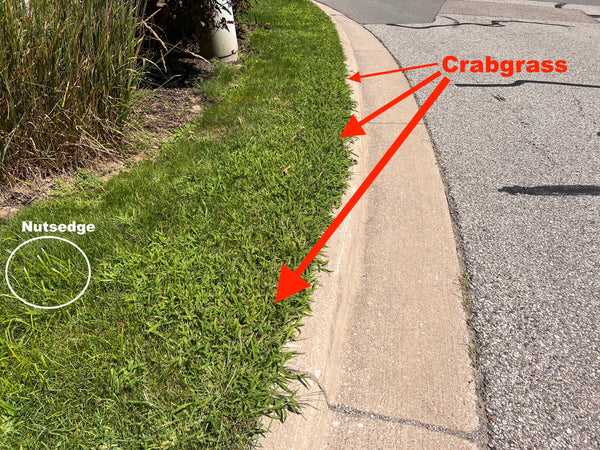
Crabgrass is the uninvited guest that seems to return year after year, no matter how many times you try to banish it. Its persistent nature can be frustrating for homeowners who want a lush, weed-free lawn. The reason it keeps coming back is mainly due to its hardy seeds that lie dormant in the soil and sprout when conditions are right, along with its aggressive growth habits. To keep crabgrass at bay, you need a combination of proper lawn maintenance, timely preventative measures, and targeted treatments. In this article, we’ll explore why crabgrass is so resilient and provide effective strategies to stop it from invading your yard season after season.
Crabgrass keeps coming back because its seeds remain dormant in the soil and sprout annually, especially during warm weather. It’s also a tough, fast-growing weed that spreads rapidly, making it difficult to eliminate permanently. However, with the right approach—such as pre-emergent herbicides, healthy lawn practices, and timely removal—you can significantly reduce its presence and enjoy a more uniform, weed-free lawn.

Why does crabgrass keep coming back every year?
Understanding Crabgrass: What Is It?
Crabgrass is a common weed that appears in lawns and gardens during the warm months. It is a type of annual grass, which means it completes its life cycle within one year. Every year, new crabgrass plants sprout from seeds, making it seem like the weed keeps returning.
The Life Cycle of Crabgrass
Knowing how crabgrass grows can help us understand why it appears annually. It begins as tiny seeds that sprout in the spring. These seedlings grow into mature plants during the summer. Before winter, they produce seeds that fall to the ground, ready to sprout the next year.
Why Does Crabgrass Come Back Year After Year?
Crabgrass keeps coming back because it produces many seeds that remain dormant in the soil. When conditions are right, these seeds germinate, creating new plants every spring. The weed’s resilience lies in its ability to produce a large number of seeds that can survive harsh conditions.
Crabgrass Seeds: The Main Culprit
Most of the crabgrass that reappears each year originates from **seeds** present in the soil. These seeds can stay dormant for several years and then sprout when the weather warms up. This seed bank makes it difficult to completely eliminate crabgrass once it has established itself.
The Role of Seed Dormancy
Crabgrass seeds can remain inactive in the soil until they sense the right environment, typically warm soil and sunlight. This dormancy period allows seeds to persist even after attempts to remove existing plants.
Seed Production and Dispersal Strategies
Crabgrass plants can produce thousands of seeds in a single season. These seeds are easily dispersed by wind, water, or even mowing equipment. This wide dispersal leads to the rapid colonization of new areas of your lawn.
Soil Conditions and Crabgrass Growth
Certain soil conditions favor crabgrass growth, making it more likely for the weed to come back every year. Cracks in the soil, compacted surfaces, and areas with poor drainage create ideal spots for crabgrass to establish itself.
Low Soil Fertility and Crabgrass
Crabgrass thrives in soils that are low in nutrients and unevenly maintained. These conditions weaken the lawn’s desirable grass, giving crabgrass a competitive edge.
Compacted Soil and Sunlight
Compacted soil prevents grass roots from spreading deeply, allowing crabgrass to take hold near the surface where sunlight is plentiful. Sunlight is essential for crabgrass seed germination and growth.
Climate Factors That Support Crabgrass Reappearance
Warm, moist weather helps crabgrass seed germinate and grow quickly. Extended periods of high temperatures and rainfall create perfect conditions for crabgrass to flourish each year.
Spring Temperatures and Seed Germination
Crabgrass seeds germinate when soil temperatures reach approximately 55-60°F. Early spring warm-ups often trigger the start of new crabgrass growth.
Rainfall and Soil Moisture
Consistent moisture from rainfall keeps the soil damp, which is vital for seed germination and seedling establishment.
Common Reasons Why Crabgrass Keeps Coming Back
Understanding the root causes of recurring crabgrass can help in developing effective control strategies.
Inadequate Lawn Maintenance
Failing to mow properly, water correctly, or fertilize your lawn can weaken your grass and allow crabgrass to invade.
Absence of Pre-emergent Weed Control
Not applying pre-emergent herbicides early in the season gives crabgrass seeds free rein to sprout unchecked.
Heavy Soil Disturbance
Activities like tilling or aerating can disturb soil and bring dormant seeds to the surface, encouraging germination.
How to Prevent Crabgrass From Returning Year After Year
Prevention is key when battling crabgrass. Implementing proper lawn care practices can significantly reduce its chances of reemerging.
Use of Pre-emergent Herbicides
Applying pre-emergent herbicides in early spring before crabgrass seeds germinate effectively blocks seedling emergence.
Improve Lawn Health
Maintaining a healthy, thick turf through proper watering, mowing at the right height, and fertilization makes it harder for crabgrass to take hold.
Soil Testing and Improvement
Test your soil to identify deficiencies, then amend it with compost or fertilizer to promote healthy grass growth that outcompetes weeds.
Proper Lawn Mowing Practices
Mow at the recommended height for your grass type to shade out weeds and prevent crabgrass from establishing itself.
Overseeding and Lawn Thickening
Seeding gaps in your lawn fills bare patches, reducing space for crabgrass to grow.
Removing Existing Crabgrass Effectively
To stop crabgrass from spreading, remove the existing plants carefully.
Manual Removal
Pull crabgrass by hand, making sure to remove the roots to prevent regrowth.
Herbicide Application
Use selective herbicides designed for crabgrass control, following the label instructions carefully.
Combining Methods for Best Results
A mix of manual removal and herbicide application often yields the best chance of reducing crabgrass in your yard.
Dealing With Seeds Left Behind
Even after removal, seeds may remain in the soil, ready to sprout again next season.
Preventing Seed Spread
Dispose of removed crabgrass properly and avoid mowing over seed heads to prevent dispersal.
Soil Solarization
Covering the soil with plastic for several weeks can heat the soil enough to kill dormant seeds.
Long-Term Strategies for Crabgrass Control
Persistent care and good practices help keep crabgrass from coming back every year.
Consistent Lawn Care and Maintenance
Regularly tending your lawn creates a healthy environment that discourages weed growth.
Regular Soil Testing and Amendments
Monitoring soil health and adjusting nutrients sustain a dense turf that resists crabgrass.
Seasonal Herbicide Applications
Applying herbicides at appropriate times prevents seed germination and seedling growth.
Related Topics to Consider
Other lawn challenges are often linked to crabgrass management.
- Other Weed Types: Dandelions and clover may also invade weak lawns.
- Lawn Fertilization: Proper fertilization supports healthy grass that can outcompete weeds.
- Soil Aeration: Loosening compacted soil lets roots grow deeper and strengthens the turf.
- Watering Practices: Deep, infrequent watering promotes strong roots and discourages shallow-rooted weeds like crabgrass.
Key Takeaways
Crabgrass keeps returning because its seeds are resilient and can survive in soil for many years. Proper lawn management, timely use of herbicides, and soil health improvement are essential. Consistently applying these strategies can greatly reduce the chances of crabgrass reappearing annually and help maintain a lush, weed-free lawn.
By understanding the biology of crabgrass and controlling the environment it needs to thrive, you can make sure it doesn’t come back year after year. Patience and persistence are vital in keeping your lawn healthy and free from this stubborn weed.
How to get rid of crabgrass and keep it gone all year long
Frequently Asked Questions
How can soil conditions contribute to the recurring growth of crabgrass?
Crabgrass thrives in compacted, poorly draining soil with low fertility. When soil lacks nutrients and has compacted layers, it creates an ideal environment for crabgrass seeds to germinate and establish. Improving soil health through aeration, adding organic matter, and ensuring proper drainage can make your lawn less inviting for crabgrass regrowth.
Why does crabgrass often emerge after lawn reseeding or patching?
Crabgrass seeds often lie dormant in the soil and are present in the seed bank even after overseeding or patching. Disturbing the soil through these activities can expose dormant seeds to sunlight and favorable conditions, prompting their germination. To prevent this, consider applying pre-emergent herbicides before reseeding or patching to suppress crabgrass seed germination.
What role does lawn maintenance play in controlling recurring crabgrass?
Inconsistent mowing, overwatering, and neglecting fertilization can weaken your lawn and increase crabgrass invasion. Crabgrass tolerates short mowing heights and drought stress better than desirable grasses, allowing it to outcompete them. Regular mowing at appropriate heights, proper watering schedules, and fertilizing your lawn strengthen the turf and reduce opportunities for crabgrass to thrive.
Can specific climate factors cause crabgrass to come back each year?
Yes, warm soil temperatures and high humidity create favorable conditions for crabgrass germination and growth. In regions with long, hot summers, crabgrass can complete its life cycle quickly and reseed extensively. Understanding your local climate helps in timing preventive measures and selecting suitable turfgrass varieties that resist crabgrass.
How does thatch buildup influence the recurrence of crabgrass?
A thick layer of thatch prevents water, air, and nutrients from reaching the soil, creating a conducive environment for crabgrass seeds to germinate. Regular dethatching helps reduce thatch buildup, improving soil conditions and making it harder for crabgrass to establish itself repeatedly. Proper lawn care practices that include aeration and dethatching can help keep crabgrass at bay.
Final Thoughts
Crabgrass keeps coming back every year because its seeds remain viable in the soil for long periods. It also spreads through underground runners, making it difficult to eliminate completely. Poor lawn health and overcrowded grass create ideal conditions for crabgrass to thrive.
To prevent its return, maintain a healthy, dense lawn through proper watering, fertilizing, and mowing practices. Applying pre-emergent herbicides early in the season can stop crabgrass from germinating.
Why does crabgrass keep coming back every year? It persists due to resilient seeds and spreading runners, which allow it to quickly re-establish even after removal. Staying vigilant with preventive measures ensures your lawn stays weed-free.