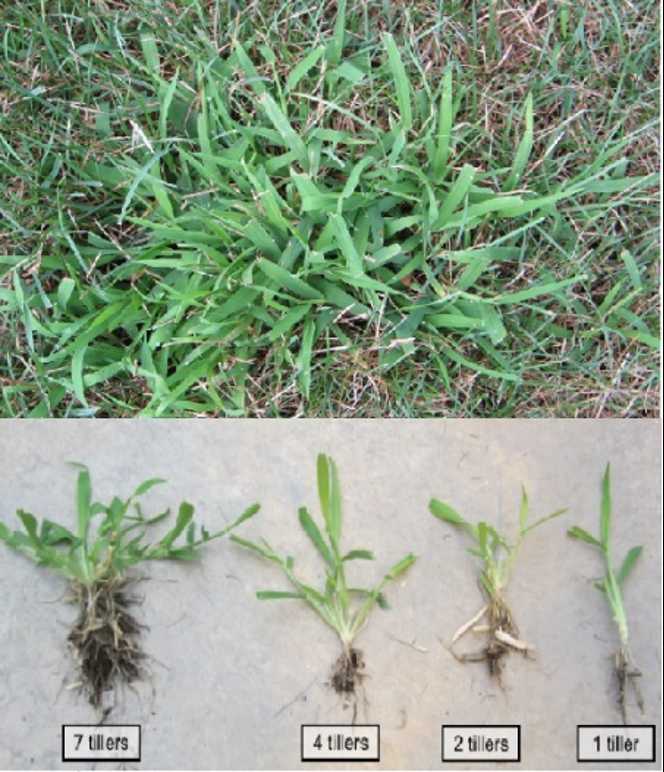
Crabgrass can quickly turn your lush lawn into a patchy nightmare if you’re not on top of it. It begins germinating within days of warm soil and can spread rapidly, overtaking bare spots before you even realize it’s happening. Knowing how fast crabgrass spreads is key to controlling it effectively and maintaining a healthy yard. In just a few weeks under ideal conditions, crabgrass can grow several inches and seed itself prolifically, making it a persistent problem. The good news is, with prompt action, you can curb its growth and keep your lawn looking neat and green.
Crabgrass spreads quite quickly once it germinates, typically within 7 to 14 days after soil temperatures reach around 55-60°F. It can grow several inches in just a few weeks and produce new seeds rapidly, enabling it to dominate patches of your lawn if left unchecked. To prevent this, early intervention with preventive herbicides or manual removal is essential.

How fast does crabgrass spread?
Understanding Crabgrass Growth Patterns
Crabgrass is a hardy weed that can quickly invade your lawn if not controlled early. It primarily spreads through seeds, but it also produces underground stems called rhizomes, which help it expand. The speed of its spread depends on several factors like weather, soil, and lawn condition.
Crabgrass begins to germinate when soil temperatures reach around 55 to 60 degrees Fahrenheit. Once the seeds sprout, the plant can grow rapidly, sometimes reaching 8 to 24 inches in height within a few weeks. Its fast growth makes it a challenging weed to manage without early action.
The plant’s ability to produce numerous seeds is part of what makes crabgrass so aggressive. A single plant can produce up to 150,000 seeds each season, which can spread quickly over your yard. These seeds can remain dormant in the soil for years until conditions are right for germination.
Seed Germination and Spread Timeline
Crabgrass seed germination typically occurs during late spring through early summer. In ideal conditions, the germination process can take as little as 5 to 7 days after planting. Warmer soil temperatures accelerate germination, leading to faster plant emergence.
Once germinated, crabgrass can begin to spread within just a few days. The young plants develop fast, especially under warm and moist conditions. By the time the seedling is 2 to 3 inches tall, it can start spreading laterally through underground rhizomes.
Seed dispersal happens mainly through wind or by attaching to animals or objects that move across the yard. Seeds can be carried several miles in some cases, magnifying their spread potential. This means that even a small amount of crabgrass seed in your yard can lead to a large infestation if not managed quickly.
Growth Rate During Active Seasons
During the peak growing season, crabgrass exhibits rapid growth. It can reach its full height within 4 to 6 weeks after germination. Its leaves expand quickly, covering bare patches of soil and competing with desired grasses.
Crabgrass growth is most vigorous in hot, humid weather, which can cause it to spread faster. The plant’s quick expansion often results in an uneven, patchy look on lawns, especially in areas with poor soil or compacted ground. During these months, crabgrass can spread across a lawn in just a few weeks.
The plant’s ability to produce new shoots from rhizomes means that even if you remove the top growth, it can regrow from underground stems. This makes it essential to control crabgrass early before it gains a foothold.
Factors Influencing the Speed of Crabgrass Spread
Several environmental and soil factors influence how fast crabgrass spreads, including:
- Soil Temperature: Warmer soils accelerate germination and growth.
- Moisture Levels: Adequate water encourages quick germination and vigorous growth.
- Soil Fertility: Nutrient-rich soils support rapid development.
- Sunlight: Full sun conditions promote faster growth.
- Competition: Dense existing grass can slow crabgrass spread.
In areas with optimal conditions, crabgrass can establish itself and begin spreading in as little as 1 to 2 weeks after seed germination. Conversely, less favorable conditions can slow its progress but won’t prevent eventual spread if seeds are present.
Rate of Expansion: How Quickly Does Crabgrass Cover a Lawn?
The rate at which crabgrass covers a lawn varies, but under ideal conditions, it can spread several inches per week. Small patches can expand rapidly, at times growing over a foot in diameter in just a few weeks.
A typical growth pattern shows crabgrass initially forming small clumps, then expanding outward through seedling growth and rhizome development. This expansion often appears as a patchy, uneven carpet that gradually merges with surrounding areas.
In terms of full coverage, a patch of crabgrass can take anywhere from 4 to 8 weeks to dominate a sizeable section of the yard if left unchecked. This quick expansion underscores the importance of early detection and timely control.
How to Prevent Crabgrass Spread
Preventing rapid spread involves proactive lawn care steps, including:
- Maintaining Healthy Lawn: Keep grass tall, around 2.5 to 3 inches, to shade out crabgrass seeds.
- Aeration and Fertilization: Improve soil health and growth of desirable grasses to outcompete crabgrass.
- Pre-Emergent Herbicides: Apply before seeds germinate, typically in early spring, to block seed sprouting.
- Proper Watering: Water deeply but less frequently to encourage strong, deep-rooted grass that resists invasion.
- Manual Removal: Pull small patches early before they spread further.
Consistent lawn maintenance and early intervention are key to keeping crabgrass from taking over. By understanding how fast it spreads, homeowners can better plan their weed control strategies.
Combatting Crabgrass: When to Act
The best time to act against crabgrass is before it begins to germinate. Applying pre-emergent herbicides in early spring when soil temperatures reach 55 degrees Fahrenheit can prevent seed sprouting.
If crabgrass is already growing, post-emergent herbicides can help control it. These work best when applied during the early stages of growth, ideally when plants are less than 4 inches tall.
Regular monitoring of your lawn during late spring and early summer can help identify new patches early. Prompt action prevents the weed from spreading too quickly and becoming a major problem.
Long-Term Management Strategies
Effective long-term control includes improving your lawn’s overall health. Dense, healthy grass clumps are less inviting for crabgrass.
Overseeding bare spots and applying appropriate fertilization can fill in gaps that crabgrass might otherwise exploit. Some homeowners also opt for organic or natural methods, such as corn gluten meal, which can inhibit seed germination.
Consistency in lawn care routines combined with early detection and treatment is the best way to keep crabgrass spread in check over multiple seasons. It is a continuous effort that pays off with a tidy, weed-free yard.
The speed of crabgrass spread varies greatly depending on environmental factors, lawn health, and timely management. Recognizing its growth patterns and acting early are essential strategies. By staying vigilant and proactive, you can limit the spread and enjoy a lush, healthy lawn free from invasive weeds.
How to Kill Crabgrass Without Affecting Your Lawn Fast & Easy
Frequently Asked Questions
What factors influence the speed at which crabgrass spreads?
Crabgrass spreads quickly when conditions are warm, sunny, and moist. High temperatures, combined with regular watering and fertile soil, encourage rapid growth. Conversely, cooler temperatures and dry soil can slow down its spread. Additionally, disturbed areas and compacted soil tend to promote faster germination and expansion of crabgrass patches.
How long does it typically take for crabgrass to establish a noticeable presence?
Crabgrass can establish itself and become visible within two to three weeks after germination, especially during late spring and early summer. Under ideal conditions, it can start spreading rapidly in just a few weeks, forming dense patches that are easy to spot in lawns and open areas.
Does crabgrass spread faster in certain seasons or weather conditions?
Yes, crabgrass grows and spreads most rapidly during the warm months of late spring and summer. Hot, humid weather accelerates seed germination and growth. Extended periods of rainfall or consistent watering also create favorable conditions, leading to faster expansion of crabgrass across your yard.
How quickly can crabgrass invade large areas once it begins to grow?
Once established, crabgrass can quickly invade large sections of a lawn, sometimes within a few weeks. Its vigorous growth habit allows it to outcompete many other grasses, especially if the soil remains warm and moist. Prompt removal or control measures can help slow down this expansion.
Final Thoughts
Crabgrass spreads quickly, often within a few weeks under ideal conditions. Its growth rate depends on soil temperature, moisture, and sunlight. Warm, moist environments accelerate its spread, making it a persistent problem in lawns.
Regular maintenance and early intervention limit its expansion, preventing it from taking over large areas. Understanding how fast does crabgrass spread helps homeowners plan effective control strategies.
In summary, crabgrass can spread rapidly, especially in favorable weather. Staying vigilant and managing the growth early keeps it in check.