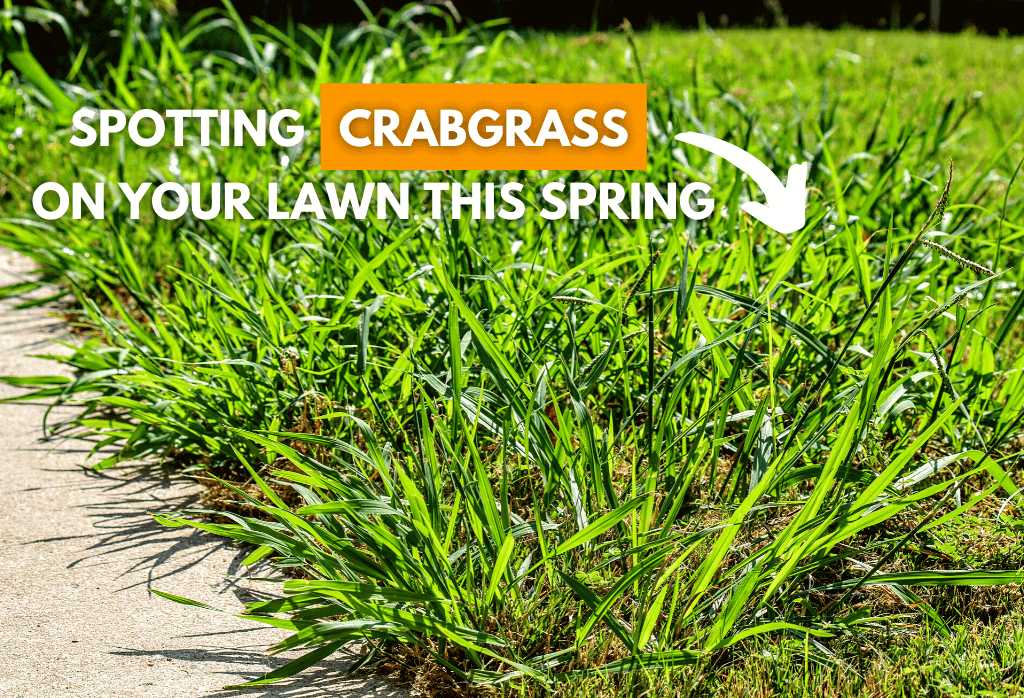
To tell the difference between crabgrass and regular grass, look at their growth patterns and leaf characteristics. Crabgrass is a hardy, invasive weed that tends to grow quickly, with coarse, wide leaves, while regular grass is generally finer and forms dense, uniform patches. With a keen eye, you can spot crabgrass by its lighter color, lower growth height, and its distinctive seed heads.
Crabgrass is an aggressive weed that invades lawns and disrupts the uniformity of regular grass. Recognizing the differences early can help you manage and control its spread effectively. In this article, we’ll explore how to distinguish crabgrass from your lawn’s regular grass, so you can take timely action and keep your yard looking its best.

How can you tell the difference between crabgrass and regular grass?
Understanding the Basics of Crabgrass and Regular Grass
Crabgrass and regular grass differ a lot in appearance, growth patterns, and how they spread. Recognizing these differences is key to maintaining a healthy lawn. Crabgrass is often considered a weed, while regular grass usually forms the main part of your yard.
What Does Crabgrass Look Like?
Crabgrass is a warm-season annual weed with a distinct appearance. It has wide, flat leaves that are light green and sometimes tinged with reddish-brown. The grass grows quickly and spreads out in a sprawling manner, creating patches that look different from regular grass.
Key Features of Crabgrass
- Leaf shape: Broad, flat, and wide leaves that can measure up to 4 inches long.
- Growth pattern: Spreads outward with a sprawling, low-growing habit.
- Color: Light green to reddish-green shade.
- Seed heads: Produces fuzzy seed heads that appear in late summer, often with a finger-like shape.
What Does Regular Grass Look Like?
Regular lawn grasses such as Kentucky bluegrass, Bermuda grass, or fescue have different characteristics. They usually grow upright with thinner blades, creating a dense, lush carpet-like appearance.
Key Features of Regular Grass
- Leaf shape: Narrow, fine blades that stay upright or slightly arching.
- Growth pattern: Dense and upright, forming a uniform cover.
- Color: Usually darker green compared to crabgrass.
- Seed heads: Some grasses produce seed heads, but they are less fuzzy and more uniform in shape.
Differences in Growth Timing
Crabgrass tends to grow during the warm months, often appearing in late spring through summer. It thrives in hot, dry conditions. Regular grasses often grow best in cooler weather and may go dormant during extreme heat or cold.
Seasonal Behavior of Crabgrass vs. Regular Grass
| Crabgrass | Regular Grass |
|---|---|
| Grows aggressively in warm months | Prefers cooler temperatures, may go dormant in summer |
| Spreads quickly in late spring and summer | Maintains steady growth during its growing season |
How to Identify Crabgrass in Your Lawn
Early detection is easy if you know what to look for. During the late spring and early summer, look for patches of light green, wide-leafed grass spreading rapidly.
Visual Tips for Identification
- Check for the characteristic wide, flat leaves.
- Observe the growth pattern — crabgrass spreads outward with a low, sprawling habit.
- Look for seed heads resembling fingers or fuzzy clusters in late summer.
How to Tell Regular Grass and Crabgrass Apart Using Growth Habits
Regular grass remains more upright and maintains a consistent height. Crabgrass, on the other hand, tends to be more irregular and sprawling. Its growth leaves uneven patches that stand out from the uniformity of healthy regular grass.
Growth Habit Comparison
- Crabgrass: Sprawling, low to the ground, and quickly spreads.
- Regular Grass: Upright, dense, and consistent in height.
Soil and Environmental Preferences
Crabgrass prefers poor, compacted soil with less moisture and grows well in drought conditions. Regular grasses typically need richer soil with more consistent watering to thrive.
Environmental Conditions Favoring Crabgrass
- Worn or compacted soil areas
- Dry, hot weather
- Areas with poor fertility
In contrast, maintaining healthy regular grass involves proper fertilization, watering, and aeration.
Using a Close-Up Examination for Accurate Identification
A magnifying glass can help you examine the seed heads and leaf texture. Crabgrass seed heads are fuzzy with finger-like branches, unlike the smoother seed heads of many regular grasses.
Detailed Observation Tips
- Check seed head shape and texture
- Feel the leaf surface — crabgrass leaves are wider and softer
- Look for the plant’s overall growth pattern
Frequency and Timing of Identification Checks
Regularly inspecting your lawn, especially in late spring and mid-summer, helps catch crabgrass early. Early identification allows for easier control and prevents it from taking over your yard.
Best Times to Check
- Late April to early June for early signs
- Mid to late summer for seed head development
Additional Techniques for Differentiating Crabgrass from Regular Grass
You can also use simple pull tests. Crabgrass pulls out easily because of its shallow roots, while healthy regular grass plants tend to be more firmly rooted.
Pull Test Procedure
- Gently grasp a patch of suspected crabgrass.
- Try to pull it out — if it comes out easily with roots attached, it’s likely crabgrass.
- Compare to a patch of regular grass that resists removal.
Related Topics to Explore
Other important areas include methods to control and prevent crabgrass, soil improvement techniques for better lawn health, and lawn maintenance tips to keep your yard weed-free. Understanding these topics complements your ability to identify and manage crabgrass effectively.
Summary of Key Identification Features
To recap, the main differences are:
- Leaves: Wide vs. narrow blades
- Growth Pattern: Sprawling vs. upright
- Color: Light green with reddish tints vs. darker, lush green
- Seed Heads: Fuzzy, finger-like vs. smoother
Recognizing these features will make it straightforward to distinguish crabgrass from your regular lawn grass and take quick action for control. Regular observation and familiarity with growth habits ensure you keep a beautiful, healthy yard free of unwanted weeds.
How to Identify Crabgrass In a Lawn – Crabgrass vs Coarse Tall Fescue – Problem Grasses
Frequently Asked Questions
What are the visual differences between crabgrass and regular grass?
Crabgrass typically has coarser, wider leaves with a more irregular growth pattern compared to the uniform and finer blades of regular grass. It often appears as clumpy patches that stand out from the surrounding lawn due to its lighter color and sprawling growth habit.
How can the growth habit help distinguish crabgrass from regular grass?
Crabgrass tends to grow outward in a sprawling, low-lying manner, forming dense mats that spread across the soil surface. In contrast, regular grass usually grows upright with evenly spaced blades, resulting in a more uniform appearance across the lawn.
What time of year should I look for crabgrass to identify it effectively?
Crabgrass is most noticeable during late spring and summer when it actively grows. Its rapid expansion and distinctive appearance become evident during these warmer months, making it easier to identify and differentiate from the surrounding turf.
Are there specific blade characteristics that help in distinguishing crabgrass from other grasses?
Yes, crabgrass blades are broader, rougher to the touch, and often have a purple tint at the base. They also have a prominent, hairy texture along the edges. Regular grass blades tend to be thinner, smoother, and more uniform in color and texture.
Can root structure provide clues about differentiating crabgrass from regular grass?
Absolutely. Crabgrass develops a spreading, fibrous root system that supports its outward growth. Regular grass usually has a denser, more fibrous root network that anchors the turf evenly. Observing root patterns can assist in identifying the type of grass present.
Final Thoughts
How can you tell the difference between crabgrass and regular grass? Crabgrass tends to grow faster and has a coarser texture compared to the finer, denser appearance of regular grass. Its blades are broader and often have a reddish tint at the base.
Crabgrass typically appears in late spring and early summer, invading areas where grass is thin or weak. Regular grass stays uniform and more resilient throughout the seasons.
In conclusion, how can you tell the difference between crabgrass and regular grass? Paying attention to growth patterns, texture, and color helps you identify crabgrass quickly. Recognizing these differences ensures effective lawn care.