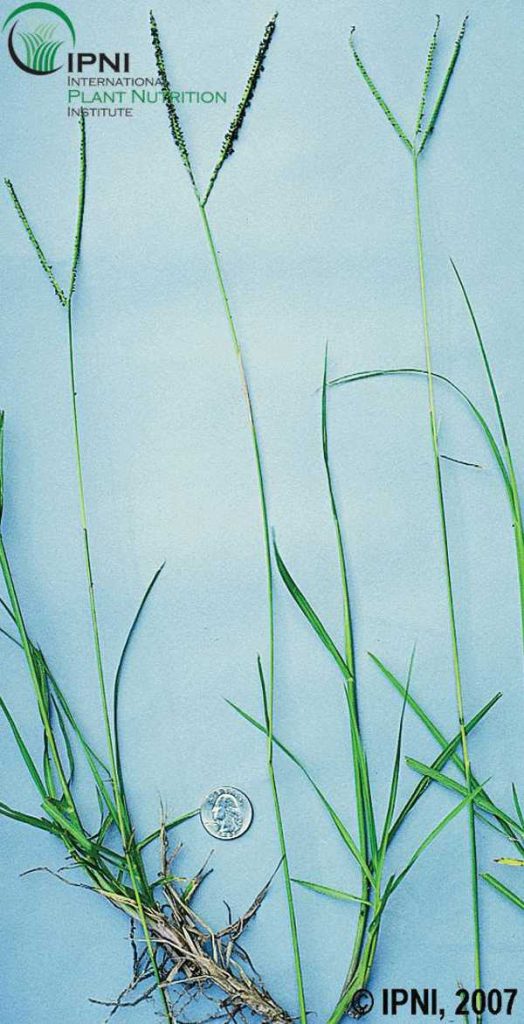
Bahia grass is primarily found in warm, tropical, and subtropical regions around the world, making it a popular choice for lawns and pasturelands in many countries. It thrives in areas with plenty of sunlight and well-drained soils, especially in coastal and southern regions.
In brief, Bahia grass is commonly found in parts of the southern United States, particularly Florida, Texas, and the southeastern states. It is also prevalent in Central and South America, Africa, and Australia. Its adaptability and drought tolerance make it a favorite for warm climates across the globe.
If you’re wondering where Bahia grass grows, it’s mainly in warm, sunny regions where it can spread easily across fields and lawns. Known for its resilience, this grass is ideal for areas that experience hot weather and limited rainfall, making it a common sight in many tropical and subtropical landscapes.

Where Is Bahia Grass Found?
Introduction to Bahia Grass
Bahia grass, scientifically known as *Paspalum notatum*, is a warm-season perennial grass. It is widely appreciated for its durability and ability to thrive in various environments. Many people wonder where this versatile grass grows naturally and how it spreads across different regions.
Native Region of Bahia Grass
Bahia grass originally comes from tropical and subtropical regions of South America. Its native habitat includes countries such as Brazil, Argentina, Uruguay, and Paraguay. In these areas, it has adapted well to the warm climate and rich soil conditions.
How Bahia Grass Spread Beyond South America
Over time, farmers and landscapers introduced Bahia grass to other parts of the world. Its popularity grew because it requires less maintenance and handles drought conditions effectively. This led to its widespread use outside its native range.
Where Is Bahia Grass Found in North America?
In North America, Bahia grass is predominantly found in the southeastern United States. States such as Florida, Texas, Georgia, Alabama, and parts of Louisiana have significant Bahia grass populations. It is valued for grazing pastures and turf applications in these areas.
Perfect Growing Conditions in North America
Bahia grass thrives in warm, sunny climates with well-drained soil. It prefers areas with minimal winter frost, which limits its growth in colder regions. The grass’s adaptability to sandy and loamy soils makes it suitable for many southern states.
Regions of Bahia Grass in South America
Within South America, Bahia grass is most abundant in the Brazilian states of Bahia, São Paulo, and Minas Gerais. Its natural distribution extends into surrounding countries with similar climate patterns.
Environmental Factors Supporting Growth
The tropical climate provides ample warmth and rainfall, essential for Bahia grass development. The grass also tolerates periodic droughts, which are common in these regions.
Where Is Bahia Grass Cultivated for Agricultural Use?
Farmers cultivate Bahia grass mainly in regions where forage quality and drought tolerance are critical. It is grown in commercial pastures across Central America, the Caribbean, and parts of southern Africa.
Popular Countries for Bahia Grass Farming
Besides South America, countries such as Costa Rica, Cuba, and South Africa have established Bahia grass cultivation. These regions benefit from its low maintenance and high productivity as livestock feed.
Environmental Impact and Adaptability
Bahia grass is highly adaptable to different environments, which explains its wide geographical presence. Its resilience to various soil types and drought conditions allows it to grow in areas where other grasses might fail.
Advantages of Bahia Grass in Various Regions
– Tolerance to drought and poor soils
– Low water requirements
– Resistance to pests and diseases
– Quick establishment and recovery from grazing
Summary of Areas Where Bahia Grass Is Found
| Region | Country/States | Climate | Typical Uses |
|---|---|---|---|
| South America | Brazil, Argentina, Uruguay, Paraguay | Tropical, subtropical | Natural pasture, forage crop |
| North America | USA (Florida, Texas, Georgia, Louisiana) | Warm, subtropical | Grazing, turf |
| Central America & Caribbean | Costa Rica, Cuba | Tropical | Pasture, forage crop |
| Africa & Asia | South Africa, parts of India | Subtropical, tropical | Livestock feed, erosion control |
Bahia grass’s natural habitat spans tropical and subtropical regions of South America, but its ability to adapt to diverse environments has expanded its presence worldwide. From the warm plains of Brazil to the southern United States, Bahia grass continues to be a vital resource for farmers, landscapers, and land managers interested in a hardy and low-maintenance grass option. Its growth is supported by its compatibility with various soils and climates, making it a popular choice in many agricultural settings across different continents.
[Don't Buy Before Read] Bahia Grass Pros And Cons With Experts Guide!
Frequently Asked Questions
What climates are suitable for Bahia grass to thrive?
Bahia grass prefers warm, tropical to subtropical climates. It thrives in regions with consistent temperatures between 75°F and 95°F and requires full sun exposure. The grass performs well in areas with moderate rainfall and is tolerant of drought conditions once established, making it suitable for warmer zones that experience dry periods.
In which geographic regions is Bahia grass predominantly cultivated?
Brazil is the primary country where Bahia grass originates and is extensively cultivated. It also grows naturally and is cultivated in parts of Central and South America, the southern United States, and some areas of the Caribbean. These regions provide the warm climate and soil conditions necessary for optimal growth.
What types of soil support the growth of Bahia grass?
Bahia grass adapts well to various soil types, including sandy, loamy, and well-drained clay soils. It prefers soil with a neutral to slightly acidic pH. Good drainage is essential for healthy growth, so it thrives in soils that do not retain excessive moisture. Proper soil preparation enhances its establishment, especially in areas where soil quality varies.
Are there any regions where Bahia grass struggles to grow?
Bahia grass struggles to grow in regions with cold or freezing temperatures, as it is not frost-tolerant. Cold climates and areas with frequent frost or low winter temperatures hinder its development. Additionally, poorly drained soils or overly shaded locations can inhibit its growth, as the grass requires ample sunlight and good drainage to thrive.
Final Thoughts
Bahia grass primarily grows in warm, humid climates, making it a popular choice in tropical and subtropical regions. It covers large areas in the southeastern United States, especially in Florida and southern Texas. Additionally, farmers in Central and South America cultivate this grass for pasture and forage purposes.
Where is bahia grass found? It thrives in areas with well-drained soils and full sunlight. Its adaptability allows it to flourish from coastal regions to inland plains, serving as an excellent grazing resource.