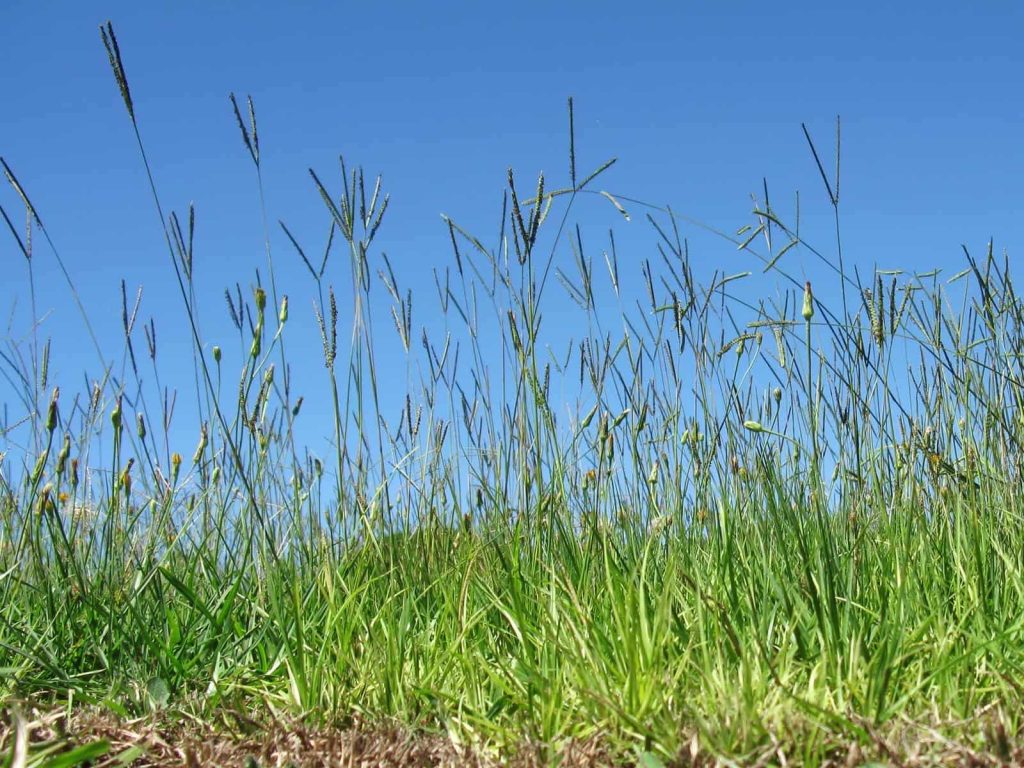
Bahia grass is native to the warm regions of the Americas, making it a popular choice for lawns and pastures in tropical and subtropical climates. It’s admired for its durability, drought tolerance, and lush green appearance, which makes it an attractive ground cover in many parts of the world. If you’re wondering where this resilient grass originally comes from, the answer is mainly from the coastal plains and lowlands of Central and South America. Its natural habitat includes countries such as Brazil, Uruguay, and parts of the Caribbean, where it has thrived for centuries. Understanding its roots helps appreciate why Bahia grass is so well-suited to similar climates worldwide, including the southeastern United States. Keep reading to discover more about its native regions and why it’s become such an important species globally.

Where Is Bahia Grass Native To?
Bahia grass is a popular turfgrass known for its durability and adaptability. Many gardeners and landscapers wonder about its origins and natural habitat. Understanding where Bahia grass is native to helps us appreciate its growth habits and how to care for it properly.
Introduction to Bahia Grass
Bahia grass, scientifically called *Paspalum notatum*, is a warm-season perennial grass. It is widely used in lawns, pastures, and sports fields. Its lush appearance and drought tolerance make it a favorite choice for many regions.
Originally, this grass was not cultivated but grew naturally in specific areas. To understand its native range, we need to look at its natural environment and regional presence.
Historical Origins of Bahia Grass
Bahia grass has a long history rooted in South America. It is believed to have originated in Brazil, where it thrived naturally in certain climates and terrains. Over time, humans began to use and cultivate Bahia grass for various purposes.
The species was first documented by botanists in the early 19th century, highlighting its significance in native ecosystems. Its adaptability to warm, tropical, and subtropical climates contributed to its spread.
Geographic Range: Native Regions
Primarily, Bahia grass is native to the following regions:
- Brazil: Especially in the southeastern and southern parts of the country
- Argentina: Found naturally in certain grasslands and open areas
- Paraguay: Growing in natural grassland habitats
- Uruguay: Present in native pasturelands and open fields
These regions share common characteristics, such as warm temperatures and well-drained soils, which Bahia grass thrives in naturally.
Environmental Conditions of Native Habitat
Climate
Bahia grass prefers warm temperatures typical of its native areas. It flourishes in climates with average temperatures ranging between 70°F to 90°F. Frost-free conditions are essential for optimal growth.
Soil Types
This grass grows well in a variety of soils, especially those that are sandy, loamy, or well-drained clay soils. Its ability to adapt to different soil types makes it a versatile grass for native grasslands.
Rainfall Patterns
In its native habitat, Bahia grass receives moderate to high rainfall, typically between 30 to 50 inches annually. It can tolerate some drought but performs best with consistent moisture.
Sunlight
Full sun exposure is ideal for Bahia grass. It thrives in open areas with minimal shade, which is consistent with its native grassland environments.
Ecological Role in Native Habitats
In its native regions, Bahia grass plays an important role in ecosystems. It provides food and habitat for native wildlife, such as insects, birds, and small mammals. Its extensive root system helps prevent soil erosion and maintain soil health.
This grass also contributes to the biodiversity of native grasslands by coexisting with other native plant species and supporting pollinators and soil microbes.
How Bahia Grass Spread From Its Native Range
Humans played a key role in spreading Bahia grass beyond its native regions. It was introduced to other warm climates for use as forage and turf.
Today, Bahia grass is cultivated in many countries with suitable climates, such as the southern United States, Central America, and parts of Africa and Asia.
Related Topics: Other Native Grasses
- Buffalo Grass: Native to North America, especially the Great Plains
- St. Augustine Grass: Originates from West Africa but widely used in Florida, USA
- Bermuda Grass: Native to Africa and Asia, now widespread in warm regions
Knowing the native grasses of various regions helps us understand ecological balance and how different species adapt to their environments.
Why Native Origin Matters
Understanding where Bahia grass is native to helps us recognize its natural growth patterns and ecological roles. It guides proper planting, maintenance, and environmental compatibility.
Using native plants like Bahia grass in landscaping promotes sustainability and supports local ecosystems.
In summary, Bahia grass is native to the warm, tropical, and subtropical regions of South America, particularly Brazil, Argentina, Paraguay, and Uruguay. Its natural habitat includes open grasslands with well-drained soils and full sun exposure. Recognizing these native conditions allows for better cultivation and conservation of this rugged and adaptable grass species.
[Don't Buy Before Read] Bahia Grass Pros And Cons With Experts Guide!
Frequently Asked Questions
What regions are the natural habitats of Bahia grass?
Bahia grass is predominantly found in tropical and subtropical regions of the Americas. It thrives in areas with warm climates, such as parts of Central and South America, including Brazil, Mexico, and the Caribbean. Its adaptability allows it to grow well in these warm, low-lying regions where it often dominates open fields and grasslands.
Which countries are the native home of Bahia grass?
Bahia grass originates mainly from Brazil, where it is commonly referred to as “grama Bahia.” It has spread across neighboring countries in South America, such as Argentina and Paraguay, and is also found naturally in some parts of Central America. Its native range is characterized by regions with rich, well-drained soils and high temperatures.
What ecological zones support the growth of Bahia grass naturally?
Bahia grass naturally grows in savannas, grasslands, and open plains within tropical climates. It is well-suited to areas that experience warm temperatures year-round, with moderate to high rainfall. The grass adapts easily to disturbed soils, making it a common sight in areas where native vegetation has been altered by human activity.
Final Thoughts
Bahia grass is native to Brazil, where it thrives in warm, tropical climates. It is widely used for lawns and pasturelands due to its drought tolerance. Its adaptability allows it to flourish in similar environments worldwide.
In conclusion, where is bahia grass native to? The answer is Brazil, specifically in its tropical regions. Its origins explain its resilience and popularity in warm climates.