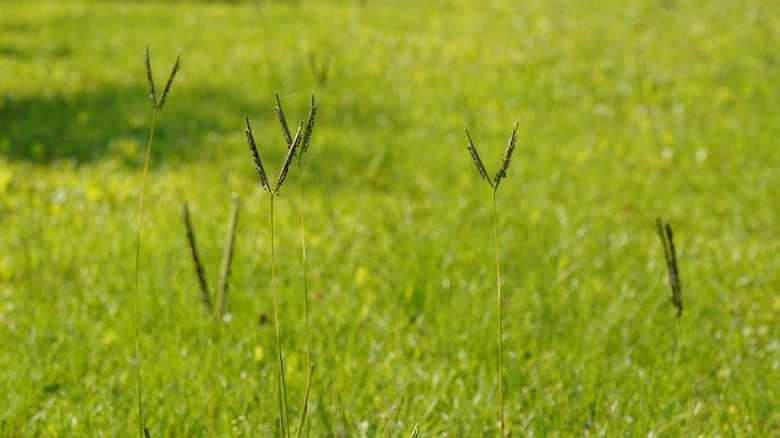
Bahia grass is a popular choice for lawns due to its drought tolerance and heat resilience, but it’s not without its downsides. The main disadvantages include its invasiveness, which can be hard to control, and its tendency to produce uneven, patchy areas if not properly maintained. Additionally, Bahia grass isn’t very shade-tolerant and can struggle in areas with less sunlight, making it less versatile for every yard. It also requires regular mowing and fertilization to keep it looking its best, which can be time-consuming. For those considering Bahia grass, understanding these drawbacks is essential to decide if it’s the right fit for their garden or landscape needs. Knowing its limitations upfront can help prevent future frustrations and ensure a more successful lawn.

What are the disadvantages of Bahia grass
Introduction to Bahia Grass Disadvantages
Bahia grass is popular because it’s hardy and easy to grow. However, it does have some drawbacks that gardeners and landscapers should know. Understanding these disadvantages can help you decide if Bahia grass fits your needs. Let’s explore the main issues related to Bahia grass in detail.
Poor Cold Tolerance
One of the biggest problems with Bahia grass is its sensitivity to cold weather. This grass struggles to survive in temperatures below 50°F (10°C). During winter or unexpected cold snaps, it can turn brown or die back completely. This limits where Bahia grass can grow effectively.
High Water Demand
Although Bahia grass is drought-tolerant once established, it needs regular watering especially during its initial growth phase. Without sufficient moisture, it becomes weak and susceptible to weed invasion. This high water requirement can raise water bills and make maintenance more difficult.
Slow Germination and Establishment
Bahia grass’s seed germination is relatively slow. It can take several weeks for the grass to fully establish. During this period, it is vulnerable to weeds taking over, which can compete with it for nutrients and sunlight. This slow start requires patience and careful care.
Invasiveness and Spread
Bahia grass tends to spread aggressively through runners and seed dispersal. It can invade areas where it was not initially planted, including flower beds or lawns. This invasiveness makes it difficult to control once it takes hold in unwanted areas.
Limited Shade Tolerance
This grass prefers full sun and does not perform well in shaded areas. If you plant Bahia grass under trees or near buildings that block sunlight, it may become patchy or thin. This limits its versatility in shaded landscapes.
Maintenance and Mowing Challenges
Bahia grass can grow unevenly, leading to patchy areas that require frequent mowing. Its coarse texture may also require more effort in trimming. Additionally, its uneven growth can create an uneven lawn surface.
Susceptibility to Pests and Diseases
Although generally resilient, Bahia grass can fall prey to pests like grubs and armyworms. It is also susceptible to certain fungal diseases such as dollar spot or brown patch. These issues can weaken the grass and reduce its aesthetic appeal.
Difficulty in Thatching and Reseeding
Over time, Bahia grass can develop thatch buildup, which hampers water and nutrient penetration. Removing thatch can be labor-intensive and disruptive. Reseeding or patching areas may also be challenging due to its slow germination.
Environmental Impact
In some areas, Bahia grass is considered an invasive species because of its aggressive spreading. It can outcompete native plants and reduce local biodiversity. This can lead to ecological imbalances if not managed properly.
Cost of Maintenance and Establishment
Establishing Bahia grass can be costly due to the need for soil preparation, watering, fertilization, and pest control. Maintaining a healthy lawn may also require ongoing expenses to manage weeds, pests, and disease.
Appearance and Texture Limitations
Compared to other turf grasses, Bahia tends to have a coarser texture and a more dull green color. This may not appeal to those seeking a lush, fine-textured lawn. Its appearance can be less vibrant and uniform.
Environmental Conditions and Unsuitable Climates
Bahia grass does not tolerate heavy foot traffic or shady environments well. It prefers hot, sunny climates, making it unsuitable for cooler or shaded regions. Trying to grow it outside these conditions can lead to poor performance.
Impact on Human and Animal Safety
Some reports indicate that Bahia grass can cause skin irritation or allergic reactions in sensitive individuals. Pets and children playing on rough, coarse grass may be at risk of minor skin issues or safety concerns.
While Bahia grass offers benefits such as drought tolerance and low maintenance, its disadvantages can be significant. Its poor cold tolerance, invasiveness, and environmental impact are important factors to consider. By understanding these issues, you can make informed decisions about whether Bahia grass suits your landscape needs or if alternative grasses might be better options.
[Don't Buy Before Read] Bahia Grass Pros And Cons With Experts Guide!
Frequently Asked Questions
What are the potential limitations of Bahia grass regarding soil requirements?
Bahia grass prefers well-drained soils but can struggle in areas with poor drainage or heavy clay. In such conditions, the grass may develop shallow roots, leading to uneven growth and increased vulnerability to drought stress. Proper soil preparation and drainage improvements are essential to ensure healthy establishment and maintenance.
How does Bahia grass impact local biodiversity?
While Bahia grass is resilient and easy to establish, it can sometimes dominate native plant species, reducing biodiversity in certain areas. Its aggressive growth can outcompete local grasses and wildflowers, which may negatively affect insects, birds, and other wildlife that depend on native plants for food and habitat.
Are there any maintenance concerns associated with Bahia grass?
Bahia grass generally requires minimal maintenance; however, in areas prone to pests or diseases, it might need regular monitoring and treatment. Additionally, its rapid growth may necessitate frequent mowing or trimming to keep it tidy and prevent it from becoming invasive in unwanted areas.
Final Thoughts
Bahia grass has several disadvantages. It requires frequent maintenance to control its spread and prevent overgrowth. Its drought tolerance is limited compared to other grasses, needing regular watering during dry periods. Additionally, Bahia grass can become invasive in certain regions, crowding out native plants.
What are the disadvantages of Bahia grass? It can also be less cold-tolerant, struggling in cooler climates. Its coarse texture might not appeal to everyone, and it may produce an uneven lawn surface. Overall, these factors make Bahia grass less ideal for all environments.