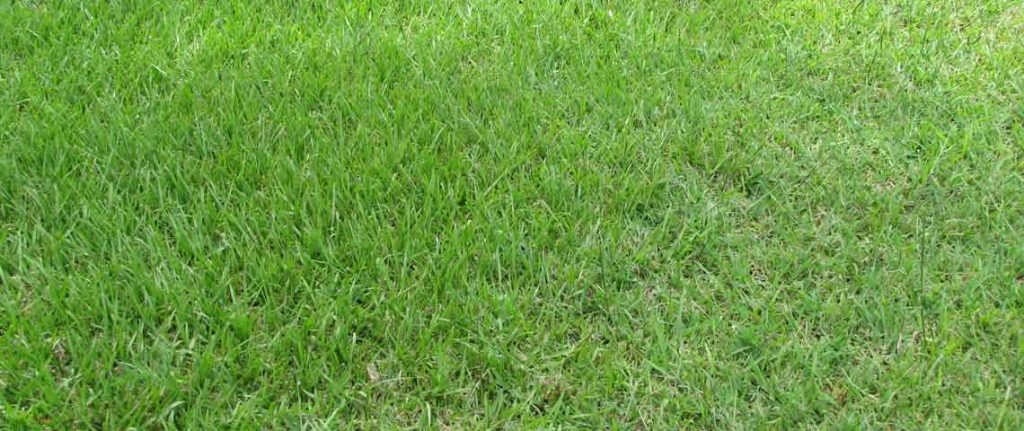
Bahia grass is primarily found in warm, tropical regions, making it a popular choice for lawns and pastures in those areas. If you’re wondering where Bahia grass grows, the answer is that it’s native to the coastal plains of South America, particularly Brazil, but it has also spread across parts of the southern United States, especially in Florida, Texas, and California. This versatile grass thrives in hot climates, well-drained soils, and areas with high sunlight, making it ideal for tropical and subtropical landscapes. Whether you’re a homeowner looking to establish a lush lawn or a farmer seeking resilient pasture grass, understanding where Bahia grass naturally occurs can help you decide if it’s the right fit for your environment.
Bahia grass is mainly found in South America, especially Brazil, and has been widely adopted in the southern U.S. states like Florida and Texas due to its adaptability to warm climates. It grows well in sandy soils and areas with plenty of sunlight, making it a favorite for lawns and grazing pastures in tropical and subtropical regions. This grass’s resilience and low maintenance requirements make it an excellent choice for hot and humid environments, providing lush, durable ground cover or forage. Knowing its native origins and preferred growing conditions can help you determine if Bahia grass is suitable for your landscape or agricultural needs.

Where is Bahia Grass?
Bahia grass is a common type of turfgrass known for its durability and adaptability. It is often used in lawns, pastures, and sports fields because it can withstand heavy foot traffic and varying weather conditions. Many people want to know exactly where this grass is found naturally and where it is cultivated.
Geographical Distribution of Bahia Grass
Bahia grass, also called *Paspalum notatum*, is native to South America. It is primarily found in Brazil, Argentina, Paraguay, and Uruguay. The grass thrives in warm, tropical, and subtropical regions, which makes these areas ideal for its growth.
Presence in North America
Though native to South America, Bahia grass has spread to other parts of the world. In the southern United States, especially in Florida, Texas, and parts of California, it is widely cultivated. Its adaptability to different soil types and climates makes it a popular choice in these regions.
Invasion and Naturalization
Bahia grass is considered naturalized in many parts of the southeastern United States. It often grows in disturbed areas, along roadsides, and in open fields. Its ability to grow quickly helps it establish itself in new territories.
Ideal Growing Conditions for Bahia Grass
Understanding where Bahia grass grows best can help you decide if it’s suitable for your location. This grass prefers warm temperatures and full sunlight for optimal growth. It tolerates droughts better than many other turfgrasses.
Climate Requirements
- Temperature: Bahia grass thrives in temperatures between 75°F and 90°F (24°C – 32°C), making it ideal for tropical and subtropical zones.
- Rainfall: It requires moderate rainfall but can tolerate dry periods once established.
- Sunlight: Full sun exposure promotes healthy growth, while shade can hinder its development.
Soil Preferences
Bahia grass prefers well-drained soils, especially sandy and loamy types. It can grow in poor soils but performs best in fertile conditions. It adapts to a range of soil pH levels, from slightly acidic to alkaline.
Geographic Regions Suitable for Bahia Grass Cultivation
South America
The native range includes Brazil, Argentina, and Uruguay, where it naturally occurs in prairies and open fields. It plays a vital role in local ecosystems and agricultural practices in these countries.
United States
In the United States, it is mainly found in the southeastern states. Its drought tolerance and adaptability make it suitable for lawns, golf courses, and pasturelands in these areas.
Other Regions
Bahia grass has been planted in parts of Africa and Asia, especially in countries with warm climates. It is used for erosion control and as forage for livestock in these regions.
Benefits of Bahia Grass Based on Location
Where it is grown influences its benefits. For example, in tropical regions, Bahia grass helps prevent soil erosion and provides forage for animals. In lawns and sports fields in the southern U.S., it offers a durable, green ground cover.
Environmental Benefits
- Soil Stabilization: Bahia grass’s deep root system helps prevent erosion in coastal and hillside areas.
- Water Conservation: It requires less water compared to other turfgrasses, making it well-suited for drought-prone regions.
- Carbon Sequestration: Like other grasses, it absorbs carbon dioxide, helping mitigate climate change.
Economic and Agricultural Uses
- Pasture and Forage: It provides high-quality forage for cattle and other livestock, especially in South America and the southern U.S.
- Landscaping and Turf: Bahia grass is affordable and tough, making it popular in parks, golf courses, and residential lawns.
Historical and Cultural Significance of Bahia Grass
This grass has a long history of use in agriculture and landscaping in its native regions. Its ability to grow in challenging conditions has made it a staple in traditional farming practices.
Traditional Uses in South America
Indigenous communities used Bahia grass for forage and soil improvement. Its resilience helped sustain livestock during dry seasons.
Modern Cultivation Practices
Today, Bahia grass is cultivated globally with improved seed varieties and planting techniques. It is often selected for its drought tolerance and low maintenance needs.
Summary
In essence, Bahia grass is a versatile, heat-tolerant plant native to South America. It is now cultivated across tropical and subtropical regions worldwide, including large parts of the southern United States. Its growth depends heavily on climate, soil, and sunlight, making it an adaptable choice for many environments. Whether used for lawns, pastures, or erosion control, Bahia grass continues to serve a vital role in agriculture and landscaping.
[Don't Buy Before Read] Bahia Grass Pros And Cons With Experts Guide!
Frequently Asked Questions
What regions are primarily known for Bahia grass cultivation?
Bahia grass is mainly cultivated in warm, tropical, and subtropical regions. It thrives in parts of South America, especially Brazil, as well as in the southeastern United States like Florida and Texas. Farmers choose these areas because of the suitable climate and soil conditions that promote healthy growth.
Can Bahia grass grow in temperate climate zones?
Bahia grass prefers warmer climates and does not perform well in temperate or cooler regions. Its growth slows significantly in areas where temperatures drop below 50°F (10°C), making it unsuitable for cultivation outside tropical or subtropical zones.
Are there specific soil requirements for Bahia grass planting?
Yes, Bahia grass prefers well-drained soils with a moderate to low fertility level. It tolerates sandy and poor soils better than highly fertile ones. Proper soil drainage is crucial to prevent diseases and promote vigorous growth, especially in warmer climates where it is most commonly grown.
In which countries can farmers find Bahia grass naturally growing?
Farmers and gardeners can find Bahia grass naturally growing in countries across South America, particularly Brazil. It also grows in parts of Central America and the southern United States. Its adaptability allows it to thrive in these tropical and subtropical environments.
Is Bahia grass used primarily for pasture or landscaping purposes?
Bahia grass is mostly used as pasture for grazing livestock due to its drought resistance and durability. However, it also serves as a ground cover in landscaping, especially in areas requiring low-maintenance turf that can withstand heavy use and varying weather conditions.
Final Thoughts
Bahia grass thrives in warm climates with well-drained soils. You’ll find it commonly in the southeastern United States, especially in Florida and Texas.
This grass prefers sunny locations and can handle drought conditions. It’s popular for pastures and lawns due to its durability and low maintenance needs.
Where is bahia grass? It primarily grows in subtropical and tropical regions, extending into Central America and the Caribbean. Its adaptability makes it a favorite among landscapers and farmers alike.