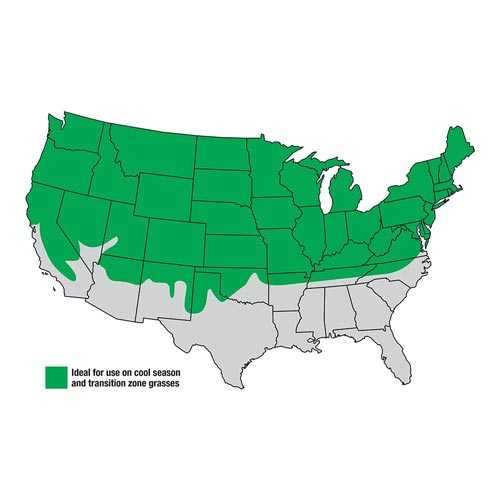
Kentucky bluegrass can thrive in regions with cool to moderate climates, particularly in areas that offer well-drained, fertile soil and plenty of sunlight. This lush, vibrant grass is a favorite for lawns and sports fields alike, but it’s essential to know where it can grow best to ensure a healthy, beautiful lawn.
In short, Kentucky bluegrass grows best in cooler climates found in northern parts of the United States, Canada, and some mountainous regions. It prefers areas with adequate rainfall or irrigation and well-drained soil. While it can tolerate some shade, full sun promotes its best growth. Knowing these conditions helps you determine whether Kentucky bluegrass is suitable for your yard and how to care for it properly.
Looking to establish a rich, green lawn that stands out in your neighborhood? Kentucky bluegrass offers a striking result but knowing where it can flourish is key. It thrives in cooler temperate zones with proper soil and sunlight, making it a top choice for lawns in northern climates. This grass type is adaptable, yet sensitive to extreme heat or drought, so understanding its growing conditions can help you create the perfect outdoor space. Whether you’re a homeowner or landscaper, recognizing the right environment for Kentucky bluegrass ensures a lush, durable lawn that will impress everyone.

Where Can Kentucky Bluegrass Grow?
Kentucky bluegrass is a popular turfgrass well-known for its lush, green appearance and soft texture. Its growth depends on several factors including climate, soil type, and sunlight. Knowing where it can thrive helps homeowners and landscapers create healthy, beautiful lawns.
Ideal Climate Conditions for Kentucky Bluegrass
Kentucky bluegrass prefers a temperate climate with cool to moderate temperatures. It thrives in regions where summer temperatures stay below 85°F (29°C). Cold winters do not bother Kentucky bluegrass; instead, it enjoys the chill and goes dormant during very cold months, re-growing in spring.
This grass does not perform well in hot, humid climates, which can cause it to struggle and develop diseases. Therefore, it is best suited for areas with distinct seasons, including cold winters and mild summers.
Soil Requirements for Optimal Growth
Good soil is essential for Kentucky bluegrass to grow well. It prefers well-drained soil rich in organic matter. The ideal soil pH ranges from 6.0 to 7.0, which is slightly acidic to neutral.
Soil that retains moisture but drains excess water prevents root rot and disease. Before planting, it’s advised to test soil acidity and nutrient levels to create the perfect foundation for healthy growth.
Sunlight Needs for Kentucky Bluegrass
For vigorous growth, Kentucky bluegrass requires at least 4 to 6 hours of direct sunlight daily. It can tolerate some shade but performs best in full sun. Insufficient sunlight can lead to thin, patchy turf and increase susceptibility to diseases.
Shaded areas might need alternative grass choices since Kentucky bluegrass lacks the shade tolerance seen in some other turfgrasses.
Geographical Regions Where Kentucky Bluegrass Thrives
In the United States, Kentucky bluegrass is most commonly found across the Midwest, Northeast, and parts of the Pacific Northwest. These regions provide the cool, moist conditions it loves.
In Canada, it grows well in southern provinces with similar climate conditions. Its adaptability makes it a favorite for lawns, parks, and sports fields in these areas.
Growth in Different Soil Types
While Kentucky bluegrass prefers loamy soil, it can grow in sandy or clay soils if properly amended. In sandy soils, adding organic matter helps retain moisture and nutrients.
Clay soils can be improved with organic matter to improve drainage and aeration, making it easier for roots to grow deeply and stay healthy.
Does Kentucky Bluegrass Grow in Hot or Humid Areas?
Kentucky bluegrass struggles in hot and humid areas, such as the Deep South. In these regions, it may become stressed, develop diseases, or turn brown during peak summer months.
However, in transitional zones where summers are milder, it can perform reasonably well with proper care and watering.
Growing Kentucky Bluegrass in Urban Settings
Urban lawns with well-maintained soil and sufficient sunlight are ideal for Kentucky bluegrass. It provides a dense, beautiful turf suitable for high foot traffic areas like parks and sports fields.
In city environments, regular watering, fertilizing, and aeration help sustain its lush appearance and resilience.
Steps to Promote Successful Growth
- Test soil quality and pH levels to ensure suitability.
- Prepare the soil by tilling and adding organic amendments if necessary.
- Install Kentucky bluegrass seeds evenly and at the recommended seeding rate.
- Water adequately to keep the soil moist but not waterlogged.
- Maintain a regular fertilization schedule to support healthy growth.
- Control weeds and pests to prevent competition and damage.
Common Challenges in Growing Kentucky Bluegrass
Despite its adaptability, Kentucky bluegrass faces challenges like shade intolerance, drought stress, and disease susceptibility. Proper site selection and ongoing maintenance can help mitigate these issues.
For example, choosing the right location with sufficient sunlight ensures healthy growth, while regular watering prevents drought stress during dry periods.
Regional Tips for Lawn Care
Southern Regions
- Limit mowing height to 2.5 to 3 inches to reduce heat stress.
- Apply a summer fertilizer with slow-release nutrients.
- Water deeply once or twice per week to maintain moisture.
Northern Regions
- Overseed in late summer or early fall to maintain density.
- Apply fertilization in early spring and fall to support growth.
- Reduce mowing height in colder months to prevent damage during dormancy.
Alternative Grass Types for Challenging Environments
If Kentucky bluegrass cannot grow well in certain conditions, consider alternatives like fescue or perennial ryegrass. These grasses have better shade and heat tolerance and can fill in gaps where Kentucky bluegrass struggles.
This flexibility allows for creating a resilient, green lawn regardless of regional challenges.
Summary: Where Can Kentucky Bluegrass Grow?
In summary, Kentucky bluegrass thrives best in regions with cool to moderate temperatures, well-drained, fertile soils, and plenty of sunlight. It suits lawns in the Midwest, Northeast, and parts of the Pacific Northwest, as well as suitable urban areas with proper care. Understanding its needs helps in establishing a lush, durable lawn that enhances any landscape.
Kentucky Bluegrass Pros and Cons
Frequently Asked Questions
Can Kentucky bluegrass thrive in shaded areas?
Kentucky bluegrass prefers full sun but can tolerate some shade. It performs best when it receives at least six hours of direct sunlight daily. In heavily shaded locations, its growth may slow down, and the turf might become thinner. To ensure a healthy lawn in shaded areas, consider overseeding with shade-tolerant grass types or pruning nearby trees to increase sunlight exposure.
What soil conditions are ideal for growing Kentucky bluegrass?
Kentucky bluegrass grows best in well-drained, fertile soils with a pH level between 6.0 and 7.0. It prefers soils that retain moisture without becoming waterlogged. For optimal growth, improve soil quality by incorporating organic matter, and ensure proper aeration to prevent compaction. Testing your soil beforehand helps determine necessary adjustments for the best results.
Is Kentucky bluegrass suitable for colder climates?
Yes, Kentucky bluegrass adapts well to cooler temperatures and can survive harsh winters. It becomes dormant during the colder months, turning brown but resumes vigorous growth as the weather warms. It thrives in regions with cold winters and moderate summer heat, making it an excellent choice for northern lawns.
How does soil moisture affect the growth of Kentucky bluegrass?
Kentucky bluegrass needs consistent moisture to develop a dense and healthy turf. While it tolerates some drought, prolonged dry periods can weaken the grass and lead to thinning. Regular watering during dry spells helps maintain its vitality, especially during hot summer months. Proper irrigation practices support strong root development and overall lawn health.
Can Kentucky bluegrass be grown in areas with high foot traffic?
Yes, Kentucky bluegrass handles moderate to high foot traffic effectively. Its dense growth habit makes it resilient and capable of recovering quickly from wear and tear. To maintain durability, provide adequate watering, fertilization, and overseeding as needed, especially in heavily used areas. Proper maintenance ensures a lush and resilient lawn that withstands regular use.
Final Thoughts
Kentucky bluegrass thrives in regions with cool to moderate temperatures and well-drained soil. It prefers areas that receive full sunlight but can tolerate some shade. This grass type adapts well to lawns, parks, and sports fields.
In terms of climate, Kentucky bluegrass grows best in states like Kentucky, Colorado, and parts of the Midwest. It also performs well in the northern United States where summers are mild and winters are cold.
where can kentucky bluegrass grow, it prefers zones 3 through 7 and does best in temperate climates. Proper maintenance ensures healthy growth and lush greenery.