Kentucky bluegrass typically goes to seed in late spring to early summer, usually around May or June, depending on your climate and local conditions. Knowing the right time to expect seed head development can help you manage your lawn better and promote healthier growth.
In short, Kentucky bluegrass produces seed heads once it reaches maturity, which generally happens in late spring to early summer. The timing can vary based on factors like temperature, day length, and overall lawn health. Recognizing these signs allows you to tailor your lawn care routine effectively.
If you’re wondering when Kentucky bluegrass will go to seed, it’s important to keep an eye out for its flowering stage, which signals seed production. This typically occurs during warm months after the grass has fully established itself. Understanding this timing not only helps with lawn maintenance but also ensures you’re ready for overseeding or adjusting your watering and fertilization practices. Let’s explore what influences seed formation and how to manage it for a lush, resilient lawn.

When Does Kentucky Bluegrass Go to Seed? A Complete Guide
Understanding Kentucky Bluegrass Growth Stages
Kentucky bluegrass is a popular cool-season grass known for its lush appearance. Like other grasses, it goes through distinct growth phases, including seed production. Recognizing when it goes to seed helps in managing the lawn and preventing unwanted seeding.
During its growth cycle, Kentucky bluegrass develops seed heads as part of its reproductive process. These seed heads appear after the grass has matured, usually in late spring or early summer. Knowing these periods helps homeowners and gardeners maintain healthy, attractive lawns.
Timing of Kentucky Bluegrass Going to Seed
Kentucky bluegrass typically produces seed heads between late spring and early summer. The exact time varies depending on local climate, soil conditions, and the grass’s health.
In cooler regions or during cooler years, seed production may occur later, around June or July. Conversely, warmer areas or seasons can prompt seed heads to appear as early as May. Generally, seed heads are most visible when the grass is actively growing and thriving.
Factors That Influence Seed Production
Many factors affect when Kentucky bluegrass goes to seed. Proper lawn management can either delay or encourage seed production:
- Temperature: Moderate temperatures promote seed head formation. Excessive heat can stress the grass and slow seed development.
- Day Length: Longer daylight hours in late spring trigger seed production.
- Watering Practices: Adequate moisture supports healthy growth and seed production, while drought stress may cause the grass to go dormant.
- Fertilization: Proper fertilization encourages vigorous growth and seed head formation. Over-fertilizing can lead to an overly lush lawn prone to disease.
- Cutting Height: Regular mowing at the right height can influence seed head formation. Cutting too low may stress the grass and delay seeding.
Identifying When Kentucky Bluegrass Is Going to Seed
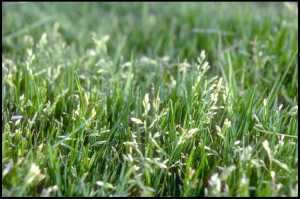
Seed heads on Kentucky bluegrass are easy to spot once they appear. They look like small, fluffy clusters that rise above the blades of grass.
Typically, seed heads emerge from the central part of the plant and are characterized by a series of thin spikes. These spikes contain tiny seeds and are usually a few inches tall, standing out distinctly from the rest of the lawn.
Here are some visual clues to watch for:
- Seed heads emerging above the grass leaves
- Fluffy, cloud-like seed clusters
- Changes in the color and texture of the grass, turning slightly coarser as seed production begins
Managing Kentucky Bluegrass Seed Head Production
Many lawn owners prefer to control seed head development to maintain a neat appearance. Regular mowing can help delay or reduce seed formation.
To prevent seed heads from forming prematurely:
- Set your mower to a height of approximately 2.5 to 3 inches
- Mow frequently enough to remove emerging seed heads
- Remove clippings to prevent seed dispersal
However, if you actively want to encourage seed production for overseeding or natural reseeding, allow the seed heads to mature fully before collecting or scattering the seeds.
Benefits and Drawbacks of Kentucky Bluegrass Going to Seed
Understanding the pros and cons of seed production helps in lawn management:
- Benefits: When seeds are allowed to mature, they can be used for natural reseeding, spreading the grass organically across the lawn.
- Drawbacks: Seed heads can make the lawn look untidy and may lead to uneven growth, requiring more maintenance to keep the appearance neat.
Gardeners often weigh these factors when deciding whether to let Kentucky bluegrass seed naturally or to prevent it through mowing.
Timing for Overseeding and Lawn Maintenance
Knowing when Kentucky bluegrass goes to seed can inform your lawn care schedule.
If your goal is to overseed, doing so when seed heads are mature ensures better germination. Typically, late spring and early summer, during peak seed production, is ideal for collecting seeds.
To keep your lawn healthy:
- Monitor seed head development regularly
- Flatten or remove seed heads if a uniform appearance is desired
- Use the seeds collected for patching bare spots or expanding your lawn
Timing lawn aeration and fertilization around seed production periods can support vigorous grass growth and help maintain a lush, resistant turf.
Related Topics for Healthy Kentucky Bluegrass Lawns
To optimize the health of your Kentucky bluegrass lawn and manage seed production effectively, consider exploring related practices:
- Proper watering techniques: Ensuring consistent moisture for even growth
- Fertilization schedules: Applying the right nutrients at the right time
- Mowing strategies: Cutting height and frequency to promote healthy growth and control seed heads
- Pest and disease management: Protecting your lawn from threats that may stress the grass and influence seed production
- Soil testing and amendments: Maintaining optimal soil conditions for Kentucky bluegrass health
Summary of When Kentucky Bluegrass Goes to Seed
In summary, Kentucky bluegrass typically produces seed heads from late spring through early summer, with timing influenced by environmental and lawn management factors. Recognizing the signs of seed head development helps in planning your lawn care routine and deciding whether to promote or suppress seed production.
Regular monitoring, proper mowing, and optimal fertilization are key to controlling seed head formation. Whether you want a tidy lawn or natural reseeding, understanding the seed production cycle of Kentucky bluegrass makes your lawn care more effective and enjoyable.
When To Seed Kentucky Bluegrass?
Frequently Asked Questions
What environmental factors influence when Kentucky bluegrass produces seed heads?
Kentucky bluegrass typically produces seed heads in response to environmental cues such as longer daylight hours, warmer temperatures, and specific soil conditions. Adequate moisture and nutrient availability also encourage the plant to move toward seed production. Stress from drought or low fertility can delay or suppress seed head formation, while optimal growing conditions promote timely seeding.
How does the age of Kentucky bluegrass affect its seed production timing?
Younger Kentucky bluegrass plants usually do not produce seed heads until they establish a mature root system, which often takes 2 to 3 years. As the grass matures, it begins to allocate energy toward reproductive growth, leading to seed production. In established lawns, seed heads typically appear during the peak growing season when the plant reaches maturity.
Are there specific management practices that can encourage earlier seed head formation?
Yes, cultural practices such as proper fertilization, adequate watering, and mowing at the right height can influence seed head development. For instance, mowing too low can stress the plant and delay seeding, while providing sufficient nutrients and moisture encourages healthy growth and timely seed production. Avoiding excessive nitrogen application late in the season also helps promote seed head formation during the natural cycle.
What is the typical timeline for Kentucky bluegrass to go to seed after planting?
After planting Kentucky bluegrass, expect seed heads to form approximately 2 to 3 years into the establishment phase, especially if the seedling receives optimal care. During its second or third growing season, mature plants usually initiate seed production in late spring to early summer, coinciding with longer daylight hours and warmer weather.
Can environmental stress cause Kentucky bluegrass to go to seed prematurely?
Environmental stress such as drought, high temperatures, or nutrient deficiencies can sometimes lead Kentucky bluegrass to produce seed heads earlier than usual. The plant responds to stress by accelerating reproductive processes to ensure survival. Proper lawn management reduces the likelihood of premature seeding and encourages healthy, sustained growth.
Final Thoughts
Kentucky bluegrass typically goes to seed in late spring to early summer, around May or June depending on local climate conditions.
This is when the seed heads mature and become visible, signaling the natural cycle of growth.
Understanding when Kentucky bluegrass goes to seed helps in maintaining a healthy lawn and managing reseeding efforts effectively.
Being aware of these timing patterns ensures you can take proper care at the right moment for optimal growth.