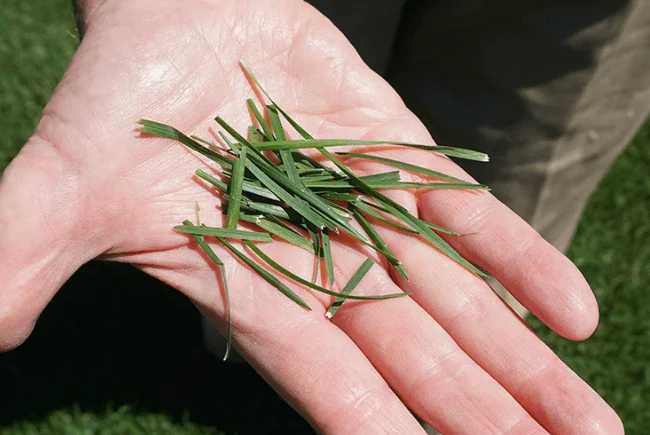
The best time to plant Kentucky bluegrass in spring is late March to early April, once the soil warms up and the risk of frost has passed. Planting during this window allows the grass to establish roots before the heat of summer, ensuring a lush and healthy lawn. Act now, and your Kentucky bluegrass will green up beautifully just in time for summer enjoyable outdoors.
Kentucky bluegrass thrives when planted in early spring, typically between late March and early April, when soil temperatures reach around 55°F to 65°F. This timing gives the grass a good start to develop strong roots before the warmer months arrive. Spring planting is ideal because it offers ample moisture and moderate temperatures, which help the grass to establish effectively and grow densely. Planning for this window maximizes your chances of a vibrant, resilient lawn throughout the season.

When to Plant Kentucky Bluegrass in Spring
Planting Kentucky bluegrass at the right time in spring ensures it gets the best start during the growing season. Timing is key to establishing a healthy, lush lawn that lasts throughout the year. Knowing the optimal window helps prevent problems like patchiness or poor growth.
Understanding Kentucky Bluegrass Growth Cycles
Kentucky bluegrass is a cool-season grass. It thrives when daytime temperatures range from 60°F to 75°F (15°C to 24°C). Its growth slows down when temperatures go above 80°F (27°C). Spring planting taps into its peak growth period, making establishment easier.
Ideal Timing Based on Climate Zones
Climate significantly influences the best planting time for Kentucky bluegrass. In colder regions, you should plant in early to mid-spring, typically between March and April. In milder climates, planting from late March through May works well.
Use local soil temperature data to determine the most appropriate planting window. Kentucky bluegrass seeds germinate best when soil temperatures are consistently between 50°F and 65°F (10°C to 18°C).
Soil Temperature and Its Role in Planting
Soil temperature is more critical than air temperature for seed germination. Wait until the soil reaches at least 50°F (10°C) to ensure quick and uniform germination. Use a soil thermometer to accurately check the temperature before planting.
Signs That Indicate the Right Time to Plant
- Consistently warm soil temperatures of 50°F to 65°F (10°C to 18°C)
- A stable weather forecast with no late frosts predicted
- Early spring with moist, workable soil
Why Early Spring Is Better Than Late Spring
Planting early in spring allows Kentucky bluegrass to establish before the heat of summer. Plants seeded in early spring have more time to develop strong roots. Late planting might lead to inadequate growth due to rising temperatures.
Preparing Your Lawn for Spring Seeding
Soil Testing and Amendment
Start with a soil test to analyze pH and nutrient levels. Kentucky bluegrass prefers a pH between 6.0 and 7.0. Amend the soil with lime or fertilizer based on test results to promote healthy growth.
Proper Lawn Preparation
Remove existing weeds, thatch, and debris. Loosen the soil with a rake or tiller to improve seed-to-soil contact. Level the area to avoid pooling water which can hinder seed germination.
Seeding Techniques and Best Practices
Choosing the Right Seed and Ratio
Select high-quality Kentucky bluegrass seed with a high germination rate. Use a seed mix that includes some perennial ryegrass for quick establishment. Aim for a seeding rate of about 2 to 3 pounds per 1000 square feet.
Seeding Methods
- Broadcasting: Spread seed evenly over the prepared soil with a spreader.
- Raking: Lightly rake the seed into the soil to improve contact.
- Rolling: Use a lawn roller to press seeds into the soil surface for better germination.
Post-Planting Care
Watering Schedule
Keep the soil consistently moist until the grass seedlings are well established. Water lightly several times daily for the first two weeks, then gradually reduce frequency while increasing watering depth.
Fertilization Tips
Apply a starter fertilizer high in phosphorus to promote root growth. Follow with balanced fertilizers approximately six weeks after germination to sustain healthy development.
Managing Weather Challenges During Spring Planting
Dealing with Frosts
If a late frost occurs, it can damage young seedlings. Cover newly seeded areas with a frost cloth if a frost warning is forecasted. Delay planting if a hard frost is predicted for an extended period.
Rainfall and Drainage
Ensure your soil drains well to prevent waterlogging, which can drown young roots. If heavy rain is expected during planting, consider delaying seeding or improving drainage beforehand.
Long-Term Lawn Maintenance After Spring Planting
Regular Mowing
Start mowing once the grass reaches about 3 inches in height. Keep mower blades sharp and cut to a height of 2.5 to 3 inches to promote dense growth.
Weed and Pest Control
Maintain a healthy lawn through proper mowing and watering to prevent weeds. Keep an eye out for pests and treat promptly using environmentally friendly options when necessary.
Ongoing Fertilization and Watering
Follow a seasonal fertilization schedule to support lush growth. Deep, infrequent watering encourages deep roots and drought tolerance.
Additional Tips for Successful Spring Planting
- Plant on a cloudy day or in the late afternoon to reduce seedling stress.
- Avoid planting if the soil is too wet or frozen.
- Monitor weather forecasts and adjust watering accordingly.
Choosing the right time to plant Kentucky bluegrass in spring is essential for establishing a thick, healthy lawn. By understanding your climate, soil conditions, and planting techniques, you can ensure your lawn thrives throughout the season and beyond.
When To Seed Kentucky Bluegrass?
Frequently Asked Questions
What are the ideal soil conditions for planting Kentucky bluegrass in spring?
Kentucky bluegrass thrives in well-draining soil rich in organic matter. Before planting, test the soil pH to ensure it ranges between 6.0 and 7.0. Improve soil quality by adding compost or organic amendments if necessary. Proper soil preparation creates an optimal environment for germination and healthy growth during spring planting.
Is early spring the best time to plant Kentucky bluegrass, or should I wait until later?
While early spring can be suitable for planting Kentucky bluegrass, it’s best to wait until soil temperatures reach around 55°F (13°C) consistently. Starting later in spring minimizes the risk of frost damage and allows the grass to establish before the heat of summer. Monitor local weather patterns to choose the optimal planting window.
How should I prepare my lawn site before planting Kentucky bluegrass in spring?
Begin by removing any debris, weeds, or old grass from the area. Loosen the topsoil to improve aeration and water infiltration. Level the soil surface to ensure even seed distribution and prevent water pooling. Applying a starter fertilizer can support early growth and root development, setting a solid foundation for the new grass in spring.
What steps can I take to ensure successful germination when planting Kentucky bluegrass in spring?
Maintain consistent moisture by watering lightly but frequently to keep the soil moist but not soggy. Use quality seed and distribute it evenly across the prepared area. Reseed any bare spots and lightly rake the surface to help seeds contact the soil. Protect the area from heavy foot traffic until seedlings establish to improve germination rates.
Can soil temperature fluctuations in spring affect the timing of planting Kentucky bluegrass?
Yes, fluctuations in soil temperature can influence germination and establishment. If the soil warms too quickly or experiences sudden cold snaps, it may delay growth or harm young seedlings. It’s best to plant when soil temperatures are stable and consistently above 55°F, which promotes healthy root development and successful establishment.
Final Thoughts
Knowing when to plant Kentucky bluegrass in spring is essential for a healthy lawn. Ideally, plant it after the last frost when soil temperatures reach around 50°F. This timing ensures the grass establishes roots before the heat of summer.
Spring planting also depends on your local climate; check the average last frost date in your area. Starting early allows the grass to grow strong and dense.
In summary, when to plant Kentucky bluegrass in spring depends on soil temperature and local frost dates. Plant in early spring after the last frost for optimal growth.