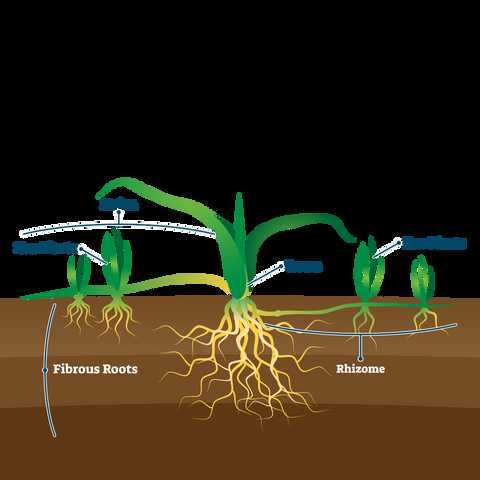
Kentucky bluegrass roots typically grow between 6 to 18 inches deep, but they can sometimes extend even further in favorable conditions. Curious about how deep these roots go? Well, understanding the root depth is essential for maintaining a healthy, resilient lawn. Kentucky bluegrass is known for its attractive appearance and adaptability, but its root system plays a vital role in its overall health and drought resistance. Generally, its roots are moderate in depth, allowing it to establish a strong base, absorb nutrients efficiently, and withstand stress. Knowing how deep these roots grow helps homeowners and gardeners decide on proper watering, fertilization, and aeration practices to keep their lawns lush and vibrant. If you’re wondering about your lawn’s root system, here’s everything you need to know about Kentucky bluegrass root depth.

How Deep Do Kentucky Bluegrass Roots Grow?
Understanding the Root System of Kentucky Bluegrass
Kentucky Bluegrass has a unique root system that helps it thrive in many climates. Its roots are mainly fibrous and extend deep into the soil. These roots can grow several inches to a foot or more below the surface, depending on environmental conditions. The depth of roots is crucial because it affects how well the grass can access water and nutrients.
The Typical Root Depth of Kentucky Bluegrass
Most Kentucky Bluegrass roots reach depths of about 6 inches to 12 inches. When conditions are favorable, the roots can grow even deeper, sometimes up to 24 inches. Deep roots help the grass stay healthy during dry spells by reaching water stored deeper underground. The depth varies based on soil type, watering practices, and how mature the grass is.
Factors That Influence Root Growth
Several factors influence how deep Kentucky Bluegrass roots grow, including soil type, moisture levels, and climate. Well-drained soils encourage deeper root growth, while poorly drained soils can limit root penetration. Consistent watering encourages roots to grow downward in search of moisture, improving drought resistance.
Soil Composition and Its Effect on Roots
Loamy soils with good drainage foster healthy, deep root systems. Heavy clay soils can restrict root growth because of poor aeration and drainage. Sandy soils allow roots to penetrate easily but may not retain water well, affecting root depth. The ideal soil balances drainage and moisture retention for optimal root development.
Watering Practices and Root Depth
Deep, infrequent watering encourages Kentucky Bluegrass roots to stretch downward to find water. Shallow watering can keep roots close to the surface, making the grass more vulnerable during droughts. Proper watering schedules help develop a resilient and deep root system.
Benefits of Deep Roots in Kentucky Bluegrass
Deep-rooted Kentucky Bluegrass offers several advantages. It becomes more resistant to drought, maintains a lush appearance longer, and recovers quickly from stress. Deep roots also improve soil stability and help prevent erosion.
Enhanced Drought Tolerance
Root depth allows Kentucky Bluegrass to access moisture deep in the soil, helping it survive dry periods. This makes it an excellent choice for areas with irregular rainfall or drought-prone regions. Deep roots also reduce the need for frequent watering.
Better Nutrient Absorption
Roots that penetrate deeper can access nutrients unavailable to shallow roots. This results in healthier, greener grass with improved growth and color. Regular fertilization supports deep root development.
How to Promote Deep Root Growth in Kentucky Bluegrass
Encouraging roots to grow deeper requires specific lawn care practices. Starting with proper soil preparation and consistent watering habits can make a significant difference. Aeration also helps loosen compacted soil, enabling roots to grow deeper.
Proper Lawn Maintenance Techniques
– Water deeply and infrequently to stimulate downward root growth.
– Aerate the soil regularly to reduce compaction.
– Fertilize with nutrients suited for Kentucky Bluegrass to promote healthy root development.
– Mow at the correct height to avoid stressing the grass.
Soil Testing and Improvement
Testing your soil helps determine its pH and nutrient levels. Adjusting soil conditions with lime or organic matter can create a more favorable environment for root growth. Ensuring proper drainage and moisture retention encourages deep roots.
Common Challenges That Limit Root Depth
Several issues can prevent Kentucky Bluegrass roots from growing deep. These include poor soil conditions, overwatering, and compacted soil. Addressing these problems can help your lawn develop a stronger root system.
Soil Compaction
Compacted soils restrict root growth and reduce oxygen availability. Aeration is essential to loosen soil and promote deeper root penetration. Regular aeration is especially important in high-traffic areas.
Overwatering and Poor Drainage
Excessive watering keeps roots shallow and can lead to root rot. Proper watering practices help roots grow downward where they can find sufficient moisture. Improving drainage prevents waterlogging.
Pest and Disease Pressure
Some pests and diseases can damage roots or hinder growth. Controlling pests and maintaining healthy turf reduces stress on roots. Healthy roots are better able to grow deep into the soil.
Comparing Kentucky Bluegrass Root Depth with Other Grasses
Different grasses have varying root depths, affecting their drought tolerance and soil stability. Kentucky Bluegrass’s roots are deeper than many cool-season grasses like tall fescue but shallower than warm-season grasses such as Bermuda.
Summary Table of Root Depths in Common Turf Grasses
| Grass Type | Average Root Depth | Notes |
|---|---|---|
| Kentucky Bluegrass | 6 to 24 inches | Deep roots help drought resistance |
| Fescue | 12 to 36 inches | Very drought tolerant |
| Bermuda Grass | 12 to 36 inches | Warm-season grass with deep roots |
| Perennial Ryegrass | 2 to 6 inches | Shallow roots, quick to establish |
Understanding Root Growth Over Different Seasons
Kentucky Bluegrass roots are most active during the cooler months. In the spring and fall, roots grow deeper as the grass recovers from summer stress and prepares for winter. During hot summer months, root growth slows but remains vital for survival.
Root Growth in Spring and Fall
Cooler temperatures and adequate moisture promote active root growth. This period is ideal for improving root depth through watering and fertilization. Well-developed roots during these seasons help the lawn withstand summer droughts.
Summer Dormancy and Root Stability
In high heat, Kentucky Bluegrass enters dormancy, and root growth slows. However, deep roots that have developed earlier can help the turf recover quickly when conditions become favorable again. Proper summer care minimizes stress on roots.
Maintaining a Healthy Root System for Long-Term Growth
A healthy and deep root system requires ongoing lawn maintenance and care. Regular aeration, appropriate watering, and fertilization are essential strategies.
Seasonal Lawn Care Tips
– Aerate in early spring or fall.
– Water deeply once or twice a week, avoiding frequent shallow watering.
– Apply a balanced fertilizer suited for Kentucky Bluegrass.
– Mow at a height of about 2.5 to 3 inches to promote strong roots.
Long-Term Lawn Management
Consistent soil testing and amendments create an environment where roots can develop fully. Overseeding and weed control also contribute to a strong, resilient lawn with deep roots.
Kentucky Bluegrass develops a root system that can reach impressive depths under the right conditions. Its roots are vital for drought resistance, nutrient uptake, and overall grass health. By understanding the factors that influence root growth and applying proper lawn care techniques, you can maintain a lush and resilient Kentucky Bluegrass lawn that thrives year-round.
Pre Germinate Grass Seed #lawn #lawncare #lawnmower #asmr #diy #satisfying #diyhome #homediy
Frequently Asked Questions
What factors influence how deep Kentucky bluegrass roots grow?
The depth of Kentucky bluegrass roots depends on several factors, including soil type, moisture availability, and mowing practices. Well-drained soils with adequate moisture encourage roots to grow deeper, helping the grass withstand drought periods and foot traffic. Conversely, compacted or poorly drained soils can restrict root growth, resulting in shallower roots.
How does watering affect the root depth of Kentucky bluegrass?
Consistent and deep watering encourages Kentucky bluegrass roots to penetrate further into the soil. Frequent shallow watering can promote shallow root growth, making the grass more vulnerable to drought stress. Deep watering ensures moisture reaches lower soil layers, prompting roots to grow deeper and establish a stronger, more resilient root system.
What maintenance practices can promote deeper root growth in Kentucky bluegrass?
Maintenance practices such as appropriate mowing height, aeration, and fertilization play key roles in encouraging deeper roots. Mowing at a height of about 2.5 to 3 inches prevents stress and promotes healthy growth. Aeration reduces soil compaction, opening pathways for roots to extend downward. Proper fertilization provides essential nutrients that support root development in the lower soil layers.
Can soil conditions limit the root growth of Kentucky bluegrass?
Yes, soil conditions significantly impact root depth. Compact or clay-heavy soils can hinder vertical root expansion, leading to shallower roots. Improving soil structure through aeration or organic amendments can facilitate deeper root growth. Well-drained, looser soils typically allow roots to grow more extensively into deeper layers, strengthening the grass’s overall health.
How deep do Kentucky bluegrass roots typically extend in ideal conditions?
In optimal conditions, Kentucky bluegrass roots can reach depths of 12 to 24 inches. These roots help the grass access water and nutrients from lower soil layers, increasing its resilience to drought and stress. Proper maintenance and favorable soil conditions can promote roots to grow toward the deeper end of this range.
Final Thoughts
Kentucky bluegrass roots typically grow between 6 and 18 inches deep, providing stability and resilience. Proper watering and soil conditions encourage roots to extend further, strengthening the lawn.
Understanding how deep Kentucky bluegrass roots grow helps homeowners optimize their lawn care routines. It reveals that healthy roots contribute to drought tolerance and disease resistance.
In conclusion, the question of how deep do Kentucky bluegrass roots grow is answered with a range that supports healthy, long-lasting turf. Deep roots are essential for a vigorous lawn and can reach several inches beneath the surface.