Quick Answer: The best time to apply crabgrass killer is in early spring or late summer/early fall, when the weed is actively growing but before it goes to seed.
Hey there, lawn enthusiasts! Are you tired of battling those pesky crabgrass invaders that seem to pop up every year? Well, you’re not alone. Crabgrass is a common weed that can quickly take over your beautiful lawn if left unchecked. But don’t fret! We’re here to help you determine the optimal time to apply crabgrass killer and reclaim your turf.
So, when should you unleash the crabgrass killer? The short answer is in early spring or late summer/early fall. These are the times when crabgrass is most vulnerable and actively growing. Applying the killer before the weed goes to seed is crucial to prevent it from spreading and causing more havoc next year.
Now, let’s dive a bit deeper into why these specific times are your best shot at eliminating that stubborn crabgrass once and for all.

When to Apply Crabgrass Killer
Understanding Crabgrass Growth and Lifecycle
Crabgrass is an invasive weed that can quickly take over your lawn if left unchecked. To effectively combat the problem, it’s important to understand the growth and lifecycle of crabgrass.
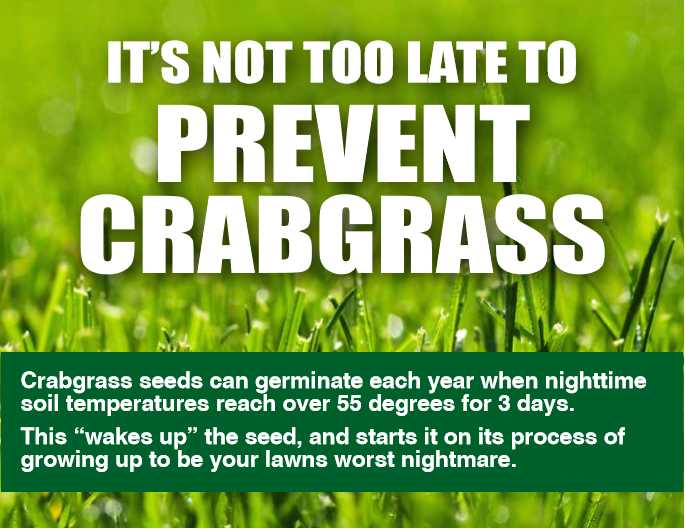
1. Germination: Crabgrass seeds generally begin to germinate when soil temperatures reach around 55°F to 60°F (13°C to 16°C). This typically occurs in early spring, around the same time that forsythia bushes bloom or when soil temperatures consistently reach this range. Keep an eye on weather patterns and signs of seasonal change to anticipate when crabgrass seeds may start germinating in your area.
2. Growth and development: Once the seeds germinate, the crabgrass plants grow rapidly. They spread horizontally through the production of stolons, above-ground runners that root and reproduce new plants. As the plants mature, their blades can form a dense mat, choking out desirable turfgrass species.
3. Reproduction and seed production: Crabgrass plants produce seeds within a few months of germination, typically in summer. Each plant can produce hundreds of seeds, ensuring the persistence of the weed year after year.
The Importance of Timing
Timing is crucial when it comes to applying crabgrass killer. Applying the herbicide too early or too late in the crabgrass lifecycle can significantly reduce its effectiveness. Here are the key factors to consider:
1. Soil temperature: As mentioned earlier, soil temperature is a critical indicator of crabgrass germination. Applying a pre-emergent herbicide before the soil reaches the required temperature range will not effectively prevent crabgrass growth. Use a soil thermometer or consult local gardening experts to determine the appropriate time for treatment.
2. Growth stage: Crabgrass killer works best when applied during the early stages of crabgrass growth. Once the weed has fully established itself, it becomes more resistant to herbicides. It’s important to identify the correct stage of crabgrass development in your lawn to achieve optimal results.
3. Weather conditions: Ideally, apply crabgrass killer when there is no rain in the forecast for at least 24 to 48 hours. Rain can wash away the herbicide, reducing its effectiveness. Additionally, wind can cause drift, potentially harming desirable plants or spreading the herbicide to unintended areas. Choose a day with calm weather conditions for the application.
Best Times to Apply Crabgrass Killer
Based on the understanding of crabgrass growth and the importance of timing, here are the best times to apply crabgrass killer:
1. Early Spring: In regions with cool-season grasses, apply a pre-emergent crabgrass killer when soil temperatures consistently reach the recommended range, usually in early spring. This prevents crabgrass seeds from germinating and taking hold in your lawn.
2. Early Summer: If you missed the opportunity to apply a pre-emergent herbicide in early spring, you can still control crabgrass during its early growth stage. Apply a post-emergent crabgrass killer when the crabgrass plants are young, before they have fully developed and produced seeds.
3. Fall: As summer transitions into fall, crabgrass plants start to decline. Take advantage of this period and apply a post-emergent herbicide to eliminate any remaining crabgrass and prevent seed production for the following year.
Factors Affecting Application Timing
While the general timing guidelines mentioned above provide a good starting point, it’s essential to consider specific factors that may affect the application timing of crabgrass killer. These factors include:
1. Regional climate: Different regions have varying climate patterns and soil temperature fluctuations. Understand your local climate and consult with gardening experts or local extension offices to determine the best timing for crabgrass killer application in your area.
2. Grass type: Warm-season and cool-season grasses have different growth patterns and optimal treatment windows. Research the specific grass type in your lawn to ensure the crabgrass killer is applied at the right time without harming your desired turfgrass.
3. Crabgrass population: If there is already a significant crabgrass population in your lawn, you may need to adjust the timing and application technique. Seek advice from lawn care professionals or consult with a trusted garden center to devise a more aggressive control strategy.
4. Product instructions: Always carefully read and follow the instructions provided with your chosen crabgrass killer product. Manufacturers often include specific recommendations for application timing based on their product’s formulation and effectiveness.
Monitoring and Follow-Up
After applying crabgrass killer, closely monitor your lawn to assess the effectiveness of the treatment. If necessary, follow up with additional spot treatments or reapplications as directed by the product instructions. Maintaining a healthy lawn through proper watering, fertilization, and regular mowing also helps discourage crabgrass growth and aids in weed control.
Remember, an integrated approach that includes proper lawn care practices and timely application of crabgrass killer will yield the best results. Regular maintenance and prevention are key to keeping your lawn free from this pesky weed.
Knowing when to apply crabgrass killer is crucial for a successful and effective weed control strategy. By understanding the crabgrass lifecycle, considering timing factors such as soil temperature and growth stage, and taking into account specific regional and lawn-related conditions, you can tackle crabgrass infestations head-on. Be attentive to product instructions, monitor your lawn, and employ an integrated approach to achieve a thriving, crabgrass-free lawn.
When to Apply Crabgrass Preventer – Spring Fertilizer – Crabgrass
Frequently Asked Questions
When is the best time to apply crabgrass killer?
The optimal time to apply crabgrass killer is in the early spring, before the crabgrass seeds start to germinate. This typically occurs when soil temperatures reach around 55 to 60 degrees Fahrenheit.
Can I apply crabgrass killer in the summer?
While it is best to apply crabgrass killer in the early spring, you can still apply it during the summer if you notice a significant crabgrass infestation. However, keep in mind that crabgrass is more resistant to herbicides during this time, so multiple applications may be necessary for effective control.
Should I apply crabgrass killer before or after mowing my lawn?
It is recommended to apply crabgrass killer before mowing your lawn. This allows the herbicide to make direct contact with the crabgrass foliage, increasing its effectiveness. Mowing after application may remove the herbicide and reduce its efficacy.
Can I apply crabgrass killer after a rainstorm?
It is generally best to avoid applying crabgrass killer immediately after a heavy rainstorm. Excessive rainfall can dilute the herbicide, reducing its potency. Wait for the lawn to dry out a bit before applying the product for better results.
Is there a certain time of day when I should apply crabgrass killer?
It is recommended to apply crabgrass killer during the cooler parts of the day, such as early morning or late afternoon. Applying herbicides during hot and sunny periods may cause the product to evaporate quickly or potentially damage the grass.
How soon can I reseed my lawn after applying crabgrass killer?
It is advisable to wait at least four weeks after applying crabgrass killer before reseeding your lawn. Some herbicides can hinder the growth of new grass seeds, so allowing sufficient time for the herbicide to dissipate will ensure the successful establishment of your new grass.
Final Thoughts
Applying crabgrass killer at the right time is crucial for its effectiveness. Timing is everything when it comes to controlling this pesky weed. The ideal time to apply crabgrass killer is in the spring before the weed starts to germinate. This is usually when soil temperatures reach around 55 to 60 degrees Fahrenheit. Applying the product before the weed emerges will prevent it from taking hold and spreading in your lawn. Remember, timing is key, so don’t wait until it’s too late to apply crabgrass killer. By applying it at the right time, you can ensure a crabgrass-free lawn all season long.