Quick Answer: Spraying for crabgrass should be done in the early spring, just before the weed begins to germinate and take hold in your lawn.
Introduction:
Ah, the bane of every lawn lover’s existence – crabgrass! That pesky intruder that seems to pop up out of nowhere, spoiling the pristine beauty of our green patches. But fear not, my fellow turf enthusiasts, for there is a solution, and it comes in the form of a well-timed spray. Now, if you’re wondering when exactly to unleash that weapon against the crabgrass army, I’ve got you covered. The key lies in catching them before they even have a chance to sprout their devious little heads. Picture this: the early days of spring, the air still cool, and nature just starting to awaken from its winter slumber. It is during this magical time that you must take action – just before the crabgrass germinates, but after the threat of frost has passed. So grab your sprayer and follow me as we embark on a journey to reclaim our lawns from the clutches of this persistent invader.

When to Spray for Crabgrass: A Comprehensive Guide
Introduction
Crabgrass is an invasive weed that can quickly take over your lawn if left uncontrolled. Preventative measures, such as spraying herbicides, are essential for maintaining a healthy and weed-free lawn. However, timing is crucial when it comes to effectively spraying for crabgrass. In this guide, we will explore the optimal timing for spraying herbicides, factors to consider, and tips for successful crabgrass control.
Understanding the Crabgrass Lifecycle
To determine the best time to spray for crabgrass, it’s important to understand its lifecycle. Crabgrass is an annual weed that develops from seeds each year. The lifecycle typically involves four stages:
1. Germination: Crabgrass seeds begin to germinate in early spring when soil temperatures reach around 55°F (13°C). The weed thrives in warm-season grasses and favors areas with ample sunlight.
2. Growth: As temperatures rise further, crabgrass continues to grow, forming small clumps of light green leaves. These clumps rapidly spread and choke out desirable grass species.
3. Flowering and Seed Production: By mid-summer, crabgrass flowers and produces seeds. Each plant can produce thousands of seeds that will remain dormant in the soil until the following spring.
4. Plant Death: As temperatures cool down in fall, crabgrass plants start to decline and eventually die. However, the seeds they produced will remain in the soil, ready to germinate when conditions are favorable again.
Factors to Consider
Several factors influence the optimal timing for spraying herbicides to control crabgrass. Consider the following factors:
1. Soil Temperature: Crabgrass germinates when soil temperatures reach around 55°F (13°C). Monitoring soil temperature is crucial as it varies from region to region. You can use a soil thermometer to determine the right time for herbicide application.
2. Grass Type: Different grass types have varying growth patterns and tolerances to herbicides. Warm-season grasses, such as Bermuda grass and Zoysia grass, are more tolerant to herbicides and can withstand treatment during their active growth periods. Cool-season grasses, like Kentucky bluegrass and fescue, are more sensitive and should be sprayed during specific growth stages.
3. Weed Pressure: Assess the severity of crabgrass infestation in your lawn. If the weed is already widespread, you may need to take more aggressive measures early in the season. For minor infestations, a preventive approach may be sufficient.
4. Herbicide Selection: Various herbicides are available for crabgrass control, each with different active ingredients and recommended application timings. Read the product labels carefully and choose the one best suited for your grass type and climate.
Optimal Timing for Herbicide Application
Determining the optimal time to spray herbicides for crabgrass control is crucial for achieving the best results. Here are the key periods to consider based on the crabgrass lifecycle:
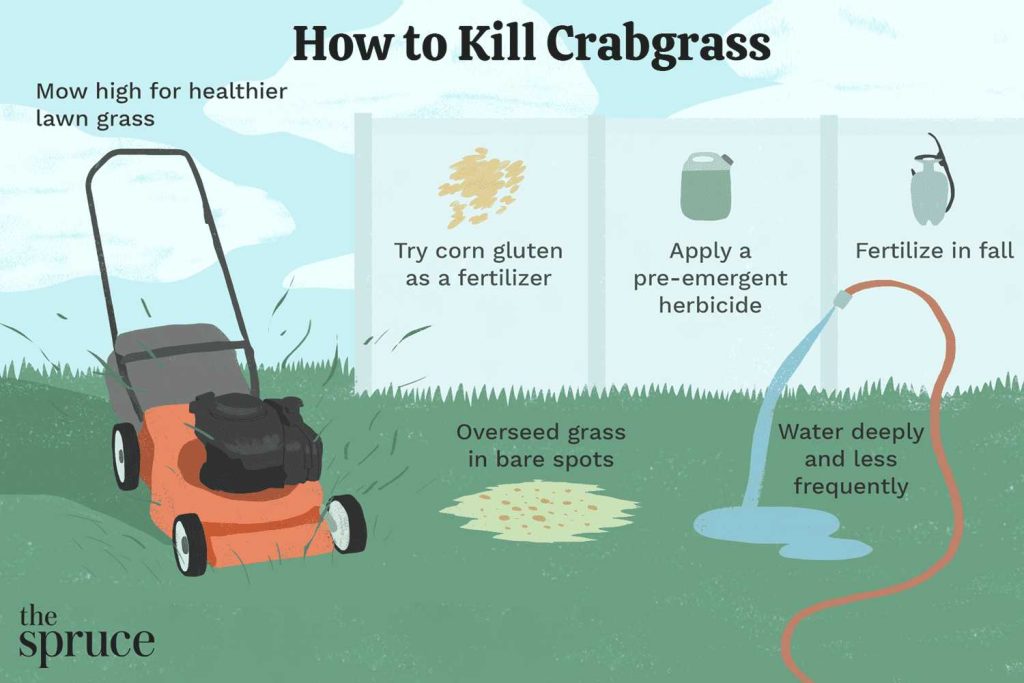
1. Pre-Emergent Herbicides: These herbicides are applied before crabgrass seeds germinate to prevent their growth. The ideal time for pre-emergent herbicide application is when soil temperatures consistently reach 55°F (13°C) for several consecutive days, usually early spring. This preventive measure provides a barrier that inhibits seed germination and helps control crabgrass before it becomes a problem.
2. Early Post-Emergent Herbicides: If you missed the pre-emergent herbicide application or have a severe crabgrass infestation, early post-emergent herbicides can be used. Apply these herbicides when the crabgrass seedlings are small and actively growing, typically when they have developed two to four leaves. Avoid mowing for a few days before and after application to allow sufficient herbicide absorption.
3. Late Post-Emergent Herbicides: For well-established crabgrass in mid to late summer, late post-emergent herbicides can be effective. Apply them when the weed is actively growing and before it flowers and produces seeds. Keep in mind that late applications may not prevent seed production, so additional preventative measures may be necessary for long-term control.
Tips for Successful Crabgrass Control
To maximize the effectiveness of herbicides and achieve successful crabgrass control, consider the following tips:
1. Read and Follow Label Instructions: Always carefully read and follow the instructions provided on the herbicide label. The label provides valuable information on proper application rates, timing, safety precautions, and other essential details.
2. Apply Herbicides When the Weather is Favorable: Choose a calm day with no rain in the forecast to apply herbicides. Wind can drift the herbicide to unintended areas, while rain can wash it away before it has time to work its magic.
3. Watering and Irrigation: Follow the watering instructions provided with the herbicide. Some products require watering after application to activate the herbicide and ensure optimal control.
4. Maintain Healthy Turf: A dense, healthy lawn is the best defense against crabgrass. Proper fertilization, regular mowing, and adequate watering encourage strong grass growth, which helps prevent weed invasion.
5. Overseeding: After tackling a severe crabgrass infestation, overseeding can help fill in bare spots with desirable grass species, further crowding out future weed growth.
Effectively controlling crabgrass requires knowing when to spray herbicides. By understanding the crabgrass lifecycle, considering relevant factors, and following optimal timing guidelines, you can effectively combat this invasive weed and maintain a lush, weed-free lawn. Remember to choose the right herbicides for your grass type, follow label instructions, and incorporate proactive lawn care practices for long-term crabgrass control. With proper timing and care, you can keep your lawn healthy and crabgrass-free throughout the year.
How to Get Rid of Crabgrass & Clover in the Lawn – Weed Control Like a Pro
Frequently Asked Questions
When is the best time to spray for crabgrass?
The best time to spray for crabgrass is in early spring, usually when soil temperatures reach around 55 to 60 degrees Fahrenheit. This is typically around the same time that forsythia bushes start to bloom or when the soil temperature at a 2-inch depth is consistently between 55 and 60 degrees Fahrenheit. Applying a pre-emergent herbicide at this time will help prevent crabgrass seeds from germinating and taking root.
Should I spray for crabgrass before or after mowing my lawn?
It is best to spray for crabgrass before mowing your lawn. This allows the herbicide to come into contact with the weeds and provides better absorption. However, if you have already mowed your lawn, wait at least 24 to 48 hours before applying the herbicide. This waiting period allows the grass to recover from mowing stress and ensures that the herbicide will not harm the freshly cut grass.
Can I spray for crabgrass after it has already emerged?
Yes, you can spray for crabgrass after it has emerged. However, it is generally more effective to apply a pre-emergent herbicide before the crabgrass seeds have germinated. Once the crabgrass has sprouted, it becomes more difficult to control. If you choose to spray after emergence, use a post-emergent herbicide specifically designed to target crabgrass and follow the instructions provided on the product label.
How often should I spray for crabgrass?
The frequency of crabgrass spraying depends on the type of herbicide used. Pre-emergent herbicides typically provide a residual effect that lasts for several months, so you may only need to apply it once in the spring. Post-emergent herbicides may require multiple applications, depending on the severity of the crabgrass infestation. Always follow the instructions on the herbicide label for the recommended frequency of application.
Can I spray for crabgrass during rainy days?
It is generally recommended to avoid spraying for crabgrass during rainy days. Rain can wash away the herbicide before it has a chance to be absorbed by the plant, reducing its effectiveness. If rain is in the forecast, it is best to postpone the application until you have a dry period of at least 24 hours. This will ensure that the herbicide has enough time to work and provide optimal control of the crabgrass.
Do I need to water my lawn after spraying for crabgrass?
Whether or not you need to water your lawn after spraying for crabgrass depends on the specific herbicide used. Some herbicides require watering after application to activate and properly distribute the product. Others may require you to wait a certain amount of time before watering. Always refer to the instructions on the herbicide label for the recommended watering requirements to ensure the best results.
Final Thoughts
Timing is crucial when it comes to controlling crabgrass in your lawn. To effectively combat this persistent weed, it is essential to know the right time to spray for crabgrass. The best time to apply herbicides for crabgrass control is in the early spring, before the crabgrass seeds germinate. Applying pre-emergent herbicides around the same time that forsythia blooms or when soil temperatures reach around 55-60 degrees Fahrenheit is recommended. By spraying for crabgrass at the appropriate time, you can prevent its growth and ensure a healthy, weed-free lawn.