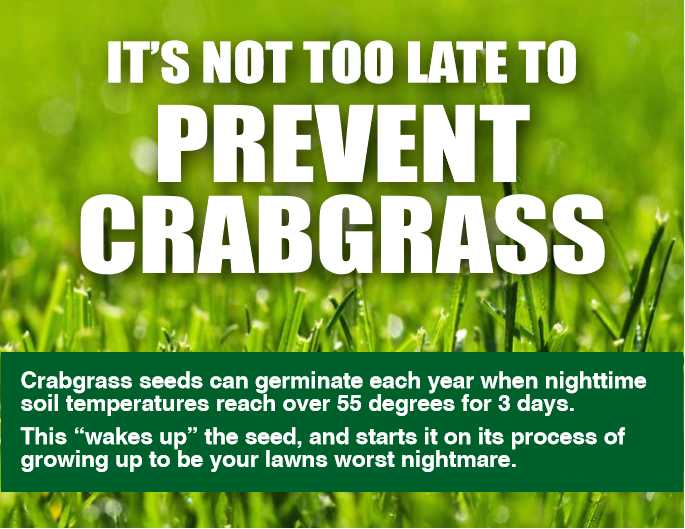
Use crabgrass preventer in early spring before crabgrass begins to sprout. Applying it at the right time can save you hours of weeding and keep your lawn lush and healthy.
In short, crabgrass preventer should be applied early in the season, ideally when soil temperatures reach around 55°F. Timing is crucial to stop crabgrass seeds from germinating, so understanding when it’s time to act can make all the difference.
Crabgrass preventer is a must-have for homeowners looking to maintain a pristine lawn free of unsightly weeds. The key is timing—applying the preventer too early or too late can reduce its effectiveness. Usually, the best time to apply it is when your soil warms up in early spring, but before crabgrass seeds start to germinate. Knowing exactly when to lay down this barrier can help you achieve a weed-free lawn all season long.

When Should You Use Crabgrass Preventer?
Knowing the right time to apply crabgrass preventer is key to keeping your lawn healthy and free of unwanted weeds. This product works best when used at specific times of the year, depending on your location and climate. Applying crabgrass preventer too early or too late can reduce its effectiveness, so understanding the optimal timing is essential for lawn care success.
Understanding What Crabgrass Preventer Does
Crabgrass preventer is a type of herbicide that stops crabgrass seeds from germinating. It forms a barrier in the soil, preventing these weeds from sprouting. This product doesn’t kill existing crabgrass but effectively prevents new growth, making it a must-have in your lawn maintenance kit.
Using crabgrass preventer regularly helps maintain a lush, green lawn by reducing competition for nutrients and water. It also minimizes the need for more aggressive weed killers later in the season.
Timing is Everything: The Best Time to Apply Crabgrass Preventer
Monitor Soil Temperature
The ideal time to apply crabgrass preventer is when soil temperatures reach around 55°F to 60°F. At this temperature range, crabgrass seeds are about to germinate or have just started to do so. Using a soil thermometer can help you determine when conditions are right.
Applying too early may result in the preventer breaking down before the weeds have a chance to germinate, while applying too late allows crabgrass to grow and spread.
Spring Is the Prime Season
The best time to apply crabgrass preventer is typically in the early spring, just as the soil warms up. This varies depending on your regional climate but generally occurs when forsythia bushes bloom or when you notice the soil reaching the target temperature.
For cooler climates, waiting until late March or early April is advisable. In warmer areas, early March might be the right window for application.
Pre-Emergent Application Schedule
Remember that crabgrass preventer is a pre-emergent herbicide, which means it must be applied before the weed seeds germinate. It’s important to plan your application accordingly to catch the crabgrass at its earliest stage.
Check local weather forecasts to ensure rain isn’t expected immediately after application, as this can wash away the preventer and reduce its effectiveness.
Regional Considerations for Applying Crabgrass Preventer
Southern Climates
In southern states, soil warms earlier, so applying preventer in late February or early March is usually effective. Keep an eye on soil temperature trends for the best results.
In these climates, crabgrass can germinate earlier, so timely application is crucial to prevent infestations.
Northern Climates
In northern regions, waiting until mid to late April is often necessary. Cooler spring temperatures delay crabgrass germination, so applying too early may waste product and money.
Using a soil thermometer helps determine the precise moment to apply preventer in these areas.
Frequency of Application and Reapplication
Most lawn care experts recommend applying crabgrass preventer once per season, primarily in early spring. Some climates may require a second application if late spring or early summer conditions promote crabgrass growth.
Always read product labels for specific reapplication guidelines and avoid overuse, which can harm your lawn or soil ecology.
How to Apply Crabgrass Preventer for Best Results
- Follow the label instructions: Precise application rates and timing ensure optimal effectiveness.
- Use a broadcast spreader: This provides even coverage across your lawn to prevent gaps in protection.
- Water the lawn after application: Light watering helps activate the preventer by moving it into the soil where weed seeds are waiting.
Additional Tips for Successful Crabgrass Prevention
Maintain a Healthy Lawn
A thick, healthy turf can naturally suppress crabgrass and other weeds.
Regular fertilization, mowing at the correct height, and proper watering promote vigorous grass growth, making it harder for weeds to take hold.
Combine Preventive and Post-Emergent Measures
If crabgrass has already sprouted, preventer won’t be effective. In such cases, use post-emergent herbicides specifically designed for crabgrass removal.
Applying preventer early in the season reduces the chance of crabgrass infestation, but stay vigilant for any new growth during the season.
Understanding Crabgrass Life Cycle
Crabgrass seeds typically germinate in late spring to early summer, depending on climate. Knowing this cycle helps you time your preventer application correctly.
Applying before the seeds sprout is the most effective way to keep crabgrass from invading your lawn.
Related Topics to Consider
- Choosing the right lawn fertilizer: Fertilizer can support dense grass growth that naturally counters weeds.
- Proper mowing techniques: Mowing at the correct height (usually 2.5 to 3 inches) helps shade the soil and suppress weed seeds.
- Soil health and aeration: Healthy soil provides a strong foundation for grass, reducing weed susceptibility.
Applying crabgrass preventer at the right time, in the right climate, and with proper lawn care practices significantly reduces crabgrass problems. Remember, the key is timing—acting before germination starts offers the best chance to keep your lawn weed-free and vibrant throughout the season.
When to apply crabgrass preventer
Frequently Asked Questions
What is the best time of year to apply crabgrass preventer?
Applying crabgrass preventer just before the soil temperature reaches about 55°F (13°C) in spring helps prevent crabgrass from germinating. Typically, this means applying the product when early spring shows persistent warm weather but before crabgrass starts to sprout, usually around March or April depending on your region. Following the product’s instructions and local climate patterns ensures the application is effective in stopping crabgrass growth.
How soon before crabgrass seeds begin to germinate should I apply the preventer?
You should aim to apply crabgrass preventer roughly 1 to 2 weeks before the typical germination period in your area. Since crabgrass generally begins to sprout when soil temperatures hit around 55°F, timing your application based on weather forecasts and soil temperature monitoring increases the chances of success. Proper timing helps create a barrier that stops seed growth before it starts.
Can I apply crabgrass preventer during the summer months?
Applying crabgrass preventer during the summer is generally not recommended, as it is most effective when applied early in the season before crabgrass seeds germinate. Summer applications usually come too late to prevent new crabgrass growth. Instead, focus on controlling existing weeds or consider a post-emergent treatment if crabgrass appears later in the season.
Should I wait until after raking or aerating my lawn to apply the preventer?
It’s best to apply crabgrass preventer to a clean, firm surface. Raking or aerating the lawn can disturb the soil surface, making it harder for the preventer to form an effective barrier. Wait until the lawn is smooth and free of debris, then apply the product evenly, ensuring good soil contact for optimal results.
Is it effective to apply crabgrass preventer more than once in a season?
Typically, one application in early spring suffices to prevent crabgrass for the entire season. Multiple applications are generally unnecessary unless the preventer label indicates otherwise. Applying too late or too frequently can harm your lawn and reduce the effectiveness of the treatment. Follow the manufacturer’s recommendations for best results.
Final Thoughts
Crabgrass preventer proves most effective when applied early in the spring before the weeds germinate. Timing is essential to ensure your lawn remains free of crabgrass throughout the season.
Apply the preventer when soil temperatures reach about 55°F, typically in late March or early April. Using it too late allows crabgrass seeds to sprout, making the treatment less effective.
Knowing when should you use crabgrass preventer helps maintain a healthy, lush lawn. Applying at the right time prevents future weed issues and reduces the need for additional control measures.