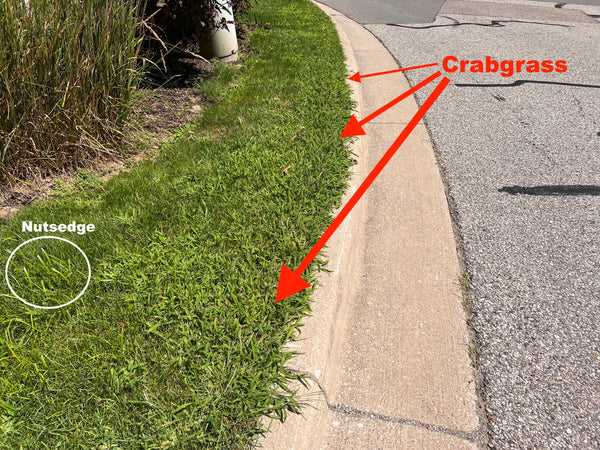
Crabgrass can surprise homeowners by popping up seemingly overnight, transforming a tidy lawn into a patchwork of weeds. If you’ve ever wondered just how quickly this weed can take over, you’re not alone. Typically, crabgrass germinates within 7 to 14 days after the soil warms up to about 55-60°F and can establish itself rapidly, sometimes showing visible growth in as little as a week.
In short, crabgrass grows fairly quickly, often taking just a couple of weeks from germination to noticeable coverage. Its fast growth makes early detection and treatment crucial for maintaining a healthy, lush lawn and preventing it from spreading further. Whether you’re tackling an existing infestation or trying to prevent one, understanding its growth timeline can help you stay ahead of this invasive weed.
Crabgrass usually takes about 1 to 3 weeks to grow from seed to mature plant, depending on environmental conditions such as soil temperature, moisture levels, and sunlight. It thrives in warm, sunny conditions and can take hold rapidly once the weather warms up in late spring or early summer. Knowing this timeline allows homeowners to act swiftly with pre-emergent or post-emergent weed control measures, giving their lawns a better chance to stay green and healthy. The key to managing crabgrass effectively is catching it early before it becomes deeply rooted and difficult to eradicate.

How Long Does Crabgrass Take to Grow?
Understanding the growth cycle of crabgrass is essential for effective lawn care. Crabgrass spreads quickly and can take over your yard if not managed properly. In this section, we will explore the typical timeline for crabgrass growth, starting from the seed stage to full coverage.
Crabgrass Germination: The First Stage
Crabgrass seeds usually germinate when soil temperatures reach about 55 to 60 degrees Fahrenheit. This typically happens in late spring or early summer depending on your climate. Once the soil hits the right temperature, seeds can sprout within 7 to 14 days.
Factors such as soil moisture and sunlight influence germination speed. Adequately moist soil helps seeds sprout faster, while dry conditions may delay this process. Remember, crabgrass prefers full sun and well-drained soil to thrive.
The Growth Phase: From Seedling to Established Plant
Seedling Development
After germination, crabgrass seedlings emerge as small, light green plants. During this stage, they usually grow about 1 to 2 inches tall within the first few weeks. Proper watering and fertilization support healthy growth.
Rapid Growth and Spreading
Crabgrass can grow rapidly during warm months, sometimes reaching heights of 6 to 12 inches in just a few weeks. This fast growth allows it to outcompete many desirable grasses for nutrients and space. Expect full coverage of an area in roughly 4 to 6 weeks after germination.
Timeframe for Crabgrass to Fully Cover a Lawn
Under ideal conditions, crabgrass can cover an entire lawn area within 6 to 8 weeks after seed germination. Its aggressive spreading habits enable it to fill in bare patches quickly. The speed of coverage depends on factors such as soil temperature, moisture, and lawn maintenance.
Factors Influencing Crabgrass Growth Speed
Climate and Weather Conditions
- Warm temperatures accelerate growth.
- Consistent sunlight promotes healthy development.
- Heavy rainfall or irrigation keeps the soil moist, encouraging quicker germination and growth.
Soil Quality and Preparation
- Well-drained, fertile soil supports rapid growth.
- Compact or poor soil may slow down germination and expansion.
- Aerating your lawn can improve soil conditions to prevent crabgrass invasion.
How to Identify Growth Stages of Crabgrass
Early Identification
Young crabgrass plants have a distinctive, coarse texture with a light green color. They typically grow in clumps and have a prostrate growth habit. Recognizing these early signs helps in managing the spread.
Full Maturity
At maturity, crabgrass produces seed heads that appear as fuzzy, umbrella-shaped clusters. These seed heads typically develop in mid to late summer, signaling that the plant is ready to produce seeds for the next cycle.
Growth Cycle Duration and Seasonal Timing
The entire growth cycle of crabgrass from seed to seed production usually spans around 3 to 4 months. Crabgrass predominantly germinates in late spring to early summer and can persist until the first frost. Knowing these timeframes aids in planning control measures effectively.
Tips for Managing Crabgrass During Its Growth Cycle
- Apply pre-emergent herbicides in early spring to prevent seed germination.
- Remove crabgrass promptly when it appears to reduce seed production.
- Maintain a healthy, dense lawn to outcompete crabgrass growth.
- Water your lawn properly to discourage crabgrass from taking hold.
Summary of Crabgrass Growth Timeline
| Stage | Timeframe | Key Features |
|---|---|---|
| Seed Germination | 7 to 14 days after soil warms to 55-60°F | Sprouts appear, small green seedlings emerge |
| Seedling Growth | 2 to 4 weeks | Plants grow 1 to 2 inches tall, develop roots |
| Rapid Vegetative Growth | 4 to 6 weeks | Plants grow quickly, spreading via runners |
| Full Coverage | 6 to 8 weeks | Area is densely filled with crabgrass |
| Seed Production and Maturity | Mid to late summer | Seed heads form, crabgrass produces seeds for next cycle |
Knowing how long crabgrass takes to grow helps in timing your weed control efforts effectively. Whether you are applying pre-emergent herbicides or manually removing plants, understanding these stages can save your lawn from infestation.
How Does Crabgrass Grow?
Frequently Asked Questions
How quickly does crabgrass typically appear after planting?
Crabgrass usually emerges within 7 to 14 days after the seeds are planted, provided soil temperatures are warm enough, generally between 55°F and 70°F (13°C – 21°C). Warmer soil speeds up germination, so planting during late spring or early summer favors faster growth.
What environmental factors influence the growth rate of crabgrass?
Crabgrass growth depends heavily on soil temperature, moisture levels, and sunlight exposure. Optimal growth occurs in hot, moist conditions with plenty of direct sunlight. If these conditions are met, the grass can establish and spread rapidly within a few weeks.
How long does it take for crabgrass to reach a noticeable size?
Once germinated, crabgrass can grow to a noticeable size within 4 to 6 weeks. During this time, it develops dense patches that can quickly become a dominant presence in your lawn if left unmanaged.
Can crabgrass establish in cool weather, and how does that affect its growth timeline?
Crabgrass struggles to grow in cool weather, typically taking longer to germinate and develop. In cooler temperatures below 55°F (13°C), germination slows or may not occur at all, delaying growth until warmer conditions arrive. This can extend the time it takes for crabgrass to become noticeable.
What practices can accelerate crabgrass growth after planting?
Providing consistent moisture, warm soil temperatures, and full sunlight encourages quicker germination and growth. Applying pre-emergent herbicides before planting can also influence the timing, either delaying or preventing growth if not applied correctly. Maintaining proper lawn care minimizes delays and promotes healthy crabgrass development.
Final Thoughts
Crabgrass typically takes about two to three weeks to grow to a noticeable height after germination. The speed of growth depends on soil conditions, temperature, and moisture levels. Warmer weather accelerates its development, while cooler conditions slow it down.
Understanding the growth timeline helps in effectively managing and controlling crabgrass. Regular maintenance and early intervention are key.
In summary, how long does crabgrass take to grow? It generally reaches maturity within a few weeks, making early detection and treatment essential to prevent widespread weed issues.