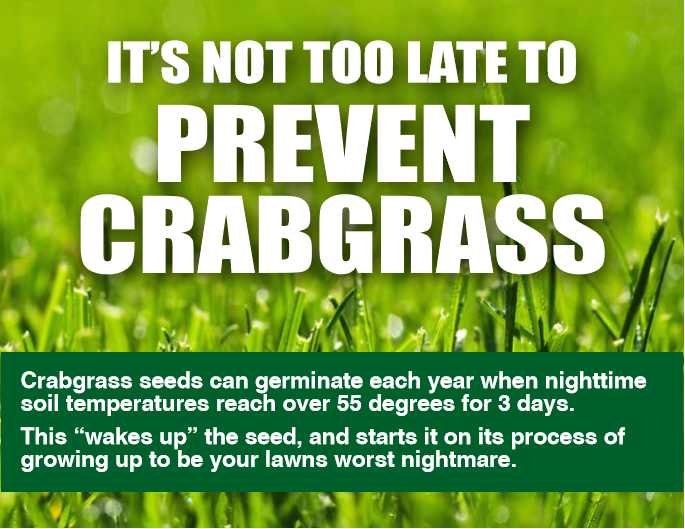
Apply crabgrass preventer in early spring before the soil warms up to 55°F (13°C) for the best results. Timing is key—getting it down too late allows crabgrass seeds to sprout, making the barrier ineffective.
If you want to keep crabgrass out of your lawn, the best time to apply preventer is just as the weather starts to warm but before the crabgrass seeds begin to germinate. Typically, this is in early spring, about 4 to 6 weeks before your last expected frost. Applying crabgrass preventer at the right time gives it the chance to form a barrier in the soil, stopping seeds from taking root while leaving your existing grass unharmed. Waiting too long means crabgrass can take hold, making the preventer less effective. So, staying ahead of the season and timing your application perfectly can save you a lot of trouble later on!

When Should You Apply Crabgrass Preventer
Understanding Crabgrass and Its Growing Cycle
Crabgrass is a common weed that invades lawns during warm months. It germinates when soil temperatures reach around 55°F to 60°F in spring. Knowing this cycle helps you plan the right time to apply preventer effectively.
Crabgrass begins to sprout quickly once conditions are right, often within days of the soil warming. The weed thrives in disturbed soil and poor grass conditions, making early prevention vital. Applying crabgrass preventer at the correct time can save your lawn from a tough fight later on.
Ideal Timing for Crabgrass Preventer Application
The best time to apply crabgrass preventer is just before the weed seeds begin to germinate. This usually occurs in early spring when soil temperatures reach about 55°F to 60°F. You want to time your application carefully to maximize effectiveness.
Most lawn experts recommend applying crabgrass preventer when daytime temperatures consistently reach this range over a few days. This period typically falls in late March to early April, depending on your geographic location.
Monitoring Soil Temperatures for Accurate Timing
Using a soil thermometer can help you determine the right moment to apply preventer. Check soil temperatures at a depth of 1 to 2 inches regularly. When temperatures stay within the 55°F to 60°F range for three to five days, it’s time to apply.
Some areas experience earlier springs, so keep an eye on local weather reports and soil conditions. This proactive approach ensures your preventer works before crabgrass seeds start to germinate.
Weather Conditions and Their Effect on Timing
Applying crabgrass preventer on a dry, mild day increases its effectiveness. Avoid heavy rain immediately after application, as it can wash away the herbicide. Windy days are also not ideal because the product can drift away from target areas.
A forecast of stable, warm weather over the next few days makes it the perfect window for treatment. Consistent, warm temperatures promote crabgrass seed germination, so timely application blocks this process.
Seasonal Considerations for Different Climates
In colder regions, crabgrass germination may occur later in spring. It’s essential to schedule your prevention application accordingly, often in mid to late spring.
In warmer climates, crabgrass might begin growing as early as late winter, requiring earlier intervention. Understanding your local climate helps set an appropriate schedule for preventer application.
Timing Relative to Lawn Maintenance Activities
Apply crabgrass preventer before you start heavy lawn chores like aeration or fertilization. These activities can disturb the soil and change weed seed exposure, affecting how well the herbicide works.
It’s best to apply preventer when your lawn is dry and not overly wet or muddy. Waiting for optimal soil conditions ensures better adherence and effectiveness of the preventer.
How To Know If It’s Time To Apply
Besides soil temperature, observe the weather forecast and local reports for signs of crabgrass seed germination. If your lawn is in a warm season and crabgrass has not yet appeared, it’s time to act.
Look for patches of early weed growth or signs of soil warming, which indicate a good window for preventer application. Early action prevents crabgrass before it becomes a problem.
Frequency and Reapplication Tips
In some regions, crabgrass preventer may need a second application in late spring or early summer. Consult the product label for specific instructions on reapplication.
Reapply only as recommended to prevent overuse, which can harm your lawn. Proper timing ensures continuous protection during the peak germination period.
Special Tips for Organic and Natural Preventers
Organic preventers often work differently, sometimes delaying germination rather than stopping it altogether. For these products, timing is still crucial but may vary slightly based on the active ingredients.
Follow the manufacturer’s directions carefully, and monitor soil temperatures closely to ensure the best results. Combining organic preventers with cultural practices can enhance weed control.
Summary of Timing Tips for Effective Prevention
- Monitor soil temperature regularly with a soil thermometer.
- Apply when soil reaches 55°F to 60°F for at least three days.
- Choose dry, mild days to maximize effectiveness.
- Consider local climate and seasonal variations in scheduling.
- Reapply if necessary, following product recommendations.
Ensuring the correct timing for applying crabgrass preventer saves you effort and helps maintain a lush, healthy lawn free from weeds. Properly timed prevention can be your first line of defense against crabgrass invasion.
When to apply crabgrass preventer
Frequently Asked Questions
What is the best time of year to apply crabgrass preventer?
Applying crabgrass preventer is most effective in early spring before the soil temperature reaches 55°F (13°C). This timing prevents crabgrass seeds from germinating and establishing. Keep an eye on local weather conditions and soil temperatures to ensure you apply the preventer at the optimal time for your region.
How can I determine the right period to apply crabgrass preventer in my area?
Check your local soil temperature and weather patterns. Crabgrass typically germinates when soil reaches about 55°F (13°C) for several consecutive days. Using a soil thermometer can help you monitor these temperatures accurately. Applying the preventer a few weeks before this temperature is consistently reached provides the best protection.
Why should I avoid applying crabgrass preventer too early or too late?
Applying the preventer too early can interfere with the growth of desirable grasses and plants, while applying too late allows crabgrass seeds to sprout and establish. Timing it correctly ensures that the preventer targets crabgrass at its germination stage, maximizing its effectiveness and preserving your lawn’s health.
Can I apply crabgrass preventer during the summer months?
Applying crabgrass preventer during summer is generally not recommended. Once crabgrass has germinated and started to grow, the preventer won’t be effective. Focus on applying it early in spring, before seed germination begins, to prevent crabgrass from taking hold later in the season.
How does weather impact the timing of crabgrass preventer application?
Consistent warm soil temperatures and stable weather conditions influence the ideal timing. Heavy rains soon after application can wash away the preventer, reducing its effectiveness. Therefore, plan your application during a period of stable weather and avoid applying before heavy rainfall.
Final Thoughts
When should you apply crabgrass preventer? The best time is in early spring before crabgrass begins to germinate, typically when soil temperatures reach around 55°F. Applying too early or too late reduces effectiveness and can harm your lawn. Regularly monitor weather conditions and soil temperature to time your application precisely.
Applying crabgrass preventer at the right moment ensures your lawn stays healthy and crabgrass-free. Remember, timing is key to maximizing its effectiveness.