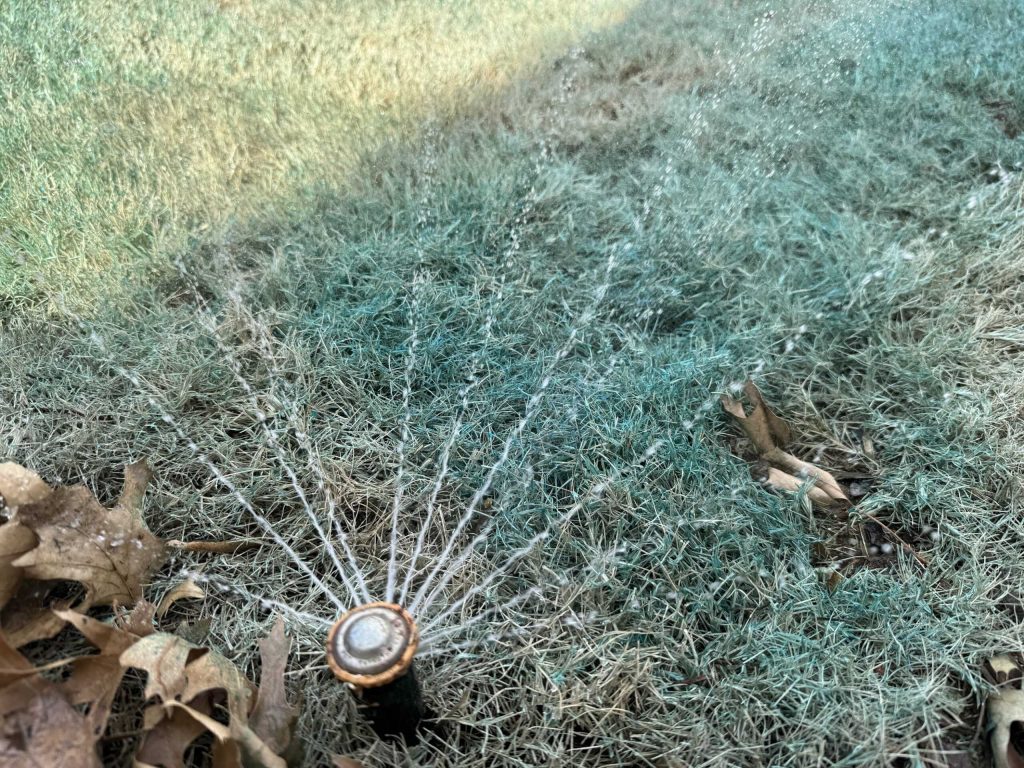
Yes, you should water in crabgrass preventer after applying it, but timing and method are key to ensuring it works effectively. Proper watering helps activate the chemical and push it into the soil where crabgrass seeds reside, boosting its weed-preventing power. Forgetting to water can render the application less effective and allow crabgrass to sprout.
In short, watering in crabgrass preventer is essential for best results. It enables the product to penetrate the soil properly and form a barrier that stops crabgrass seeds from germinating. The amount of water and timing depend on the product used and weather conditions, but generally, a thorough watering right after application is highly recommended.
Applying crabgrass preventer may seem straightforward—spread it, water it in, and wait. However, many overlook the importance of watering immediately after application, which is vital for activating the herbicide. When you water in the preventer, you’re helping it seep into the soil to effectively block crabgrass seeds from sprouting. Without this step, the product might sit on the surface and lose its potency before reaching the roots. So, the best approach is to water generously after applying the preventer, especially during dry weather, to ensure your lawn stays free of pesky crabgrass all season long.

Should You Water in Crabgrass Preventer? A Complete Guide
Understanding Crabgrass Preventer and Its Purpose
Crabgrass preventer is a type of herbicide designed to stop crabgrass seeds from sprouting in your lawn. It works by creating a chemical barrier in the soil that inhibits seed germination. Knowing how and when to apply this preventer is vital for maintaining a healthy, lush lawn.
How Crabgrass Preventer Works
Crabgrass preventer contains active ingredients like prodiamine or pendimethalin. These chemicals target young crabgrass seeds before they sprout, preventing them from becoming invasive. The key is to apply it early, ideally before the weed seeds germinate, typically in early spring.
Why Watering After Application is Important
Watering after applying crabgrass preventer can influence how effective it is. Proper watering helps the herbicide reach the soil where weed seeds lie. It also activates the chemical, ensuring it forms a good soil barrier against the crabgrass.
To Water or Not to Water: The Main Question
The main controversy revolves around whether to water in the crabgrass preventer immediately after application. Some lawn care experts recommend watering, while others advise skipping this step. Your decision depends on various factors such as the product used, weather conditions, and your lawn’s unique needs.
The Risks of Not Watering in Crabgrass Preventer
If you choose not to water after applying the preventer, the herbicide might not penetrate the soil effectively. This can lead to a weakened barrier, allowing crabgrass seeds to germinate easily. In dry conditions, the preventer may also stay on the surface and degrade faster.
The Benefits of Watering in Crabgrass Preventer
Watering in helps activate the chemical ingredients in the preventer, ensuring they reach the soil where weed seeds are. It promotes better soil absorption and can extend the effectiveness of the herbicide. Proper watering also helps prevent the preventer from being washed away by rain early on.
Optimal Timing for Watering
Timing your watering is crucial. Usually, applying and watering in the preventer during early spring, when soil temperatures range from 55 to 70 degrees Fahrenheit, yields the best results. This encourages seed germination of crabgrass but allows the preventer to be most effective.
How Much Water Is Enough?
The amount of water needed depends on your soil type and climate conditions. Generally, watering with about a quarter to half an inch of water suffices. Light, frequent watering may not reach the necessary depth, while deep watering ensures the preventer is adequately activated.
Best Practices for Applying Crabgrass Preventer
- Apply during early spring before crabgrass seeds germinate.
- Use a broadcast spreader for even coverage.
- Water immediately after application if recommended by the product instructions.
- Avoid watering too soon after application if the soil is already moist.
Factors That Affect Watering Decisions
Weather Conditions
Dry, sunny days may require you to water in the preventer to activate it, while rainy days might make watering unnecessary. Always observe the forecast for optimal timing.
Soil Type
Sandy soils drain quickly and may need more water to activate the preventer. Clay soils retain moisture longer, reducing the need for immediate watering.
Product Instructions
Always follow the manufacturer’s watering recommendations on the label. Some products require watering to activate, while others explicitly advise against watering immediately after application.
Common Mistakes to Avoid
- Applying preventer when the soil is too dry or too wet.
- Not watering after application when instructed to do so.
- Applying too much or too little herbicide, leading to ineffective control.
- Applying preventer too late in the season, after crabgrass has already germinated.
Additional Tips for Crabgrass Control
Combine Preventive and Curative Measures
While preventers are great for stopping crabgrass before it starts, consider using post-emergent herbicides for existing weeds. This layered approach can keep your lawn weed-free.
Maintain a Healthy Lawn
A dense, healthy lawn can naturally compete against weeds. Proper mowing, fertilizing, and watering practices help prevent crabgrass from taking hold.
Monitor Your Lawn’s Progress
Regularly inspect your lawn for signs of crabgrass or other weeds. Early detection allows for timely interventions, including reapplication of preventers if necessary.
Related Topics for Lawn Success
- Best fertilization practices for lawns in spring
- Understanding soil pH and its impact on weed control
- How to improve soil drainage for better preventer effectiveness
- Tips for sustainable lawn care and weed prevention
Deciding whether to water in crabgrass preventer depends on specific product instructions, environmental conditions, and your lawn’s needs. Proper watering can activate the herbicide and improve its performance. Always follow the recommended guidelines to achieve the best results and keep your lawn healthy and crabgrass-free.
Should I water after applying crabgrass preventer?
Frequently Asked Questions
When is the best time to water after applying crabgrass preventer?
The ideal time to water after applying crabgrass preventer is usually within 24 to 48 hours. Watering helps activate the herbicide so it can effectively penetrate the soil and reach the crabgrass seed roots. Avoid watering immediately after application to prevent washing away the product, but do ensure the soil stays moist enough for the preventer to work efficiently.
Can overwatering affect the effectiveness of crabgrass preventer?
Yes, overwatering can dilute the herbicide and reduce its ability to control crabgrass effectively. Excess water may also cause the preventer to wash away before it has a chance to be absorbed into the soil. Follow recommended watering practices and avoid excessive watering to maximize the preventer’s efficiency.
Should I water if it rains shortly after applying crabgrass preventer?
If it rains lightly after applying the preventer, it can help incorporate the herbicide into the soil, enhancing its effectiveness. However, heavy rain might wash away some of the product, lowering its efficacy. In regions expecting heavy rain, it’s often better to wait until the rain subsides or to apply a second treatment if necessary.
How does watering influence the longevity of crabgrass preventer in the soil?
Proper watering ensures that the preventer is adequately absorbed into the soil, which can prolong its effectiveness. Consistent moisture helps maintain the chemical’s activity over time, providing extended protection against crabgrass. Conversely, insufficient watering might result in a shorter period of control, so maintaining appropriate soil moisture is key.
Final Thoughts
Should you water in crabgrass preventer? Generally, it’s recommended to water after applying crabgrass preventer to activate the product and help it bond with the soil. Proper watering ensures the preventer reaches the roots effectively, increasing its performance. Skipping watering can reduce the effectiveness, allowing crabgrass to sprout. Always follow the specific instructions on your product label for best results. In conclusion, watering in crabgrass preventer is a crucial step to maximize its benefits and limit weed growth.