
Image source: Bing (Web (fair-use with source credit))
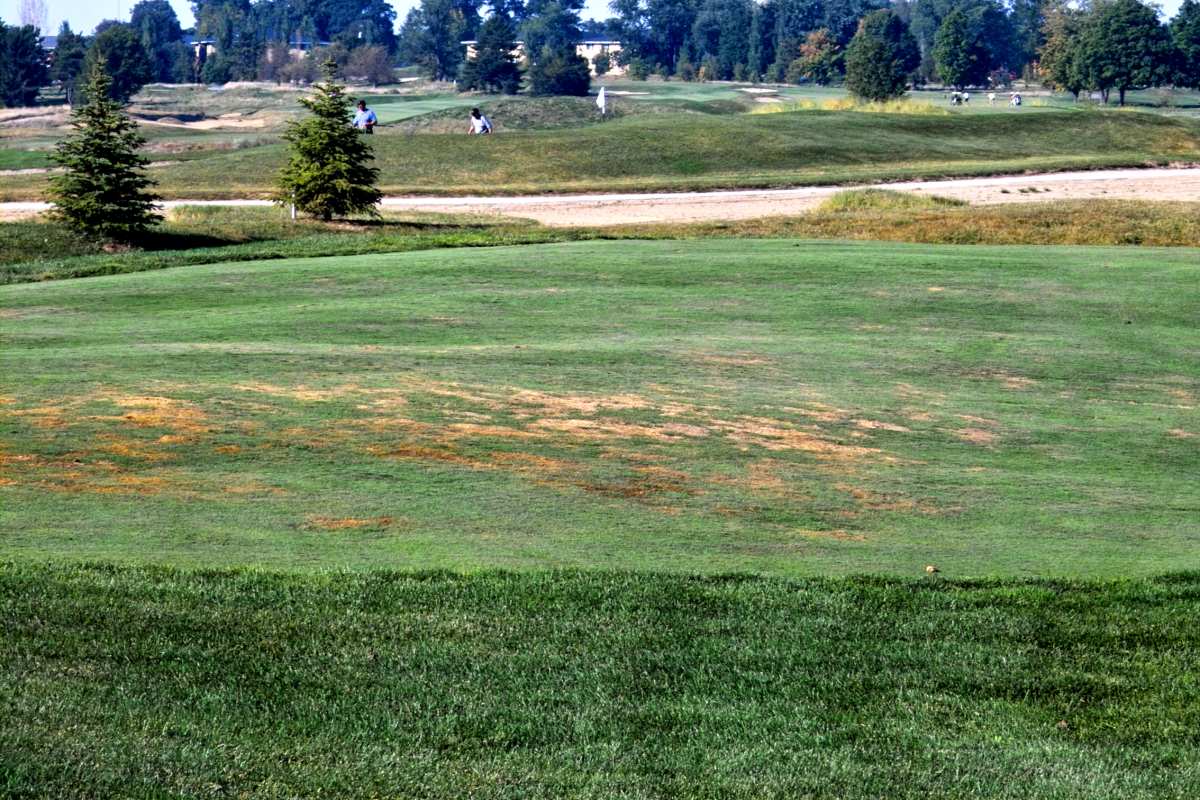
You might have noticed brown patches pulling up like loose carpet. That is a classic grub sign. Knowing when grub treatment works depends on timing and the grub's life stage.
In our research, most failures come from applying products at the wrong life-cycle stage. The standard rule is simple. Curative treatments need early-instar grubs in late summer.
Preventive treatments need application just before egg hatch in early summer.
Quick Answer
Timing grub treatment depends on product type and grub species. Apply preventive products like chlorantraniliprole in early to midsummer. This targets eggs and newly hatched larvae.
Apply curative products like trichlorfon in late summer. They work best against small, actively feeding grubs. Always check local soil temperatures as of 2026 before applying.
Do not guess based on the calendar alone.
How Grub Life Cycles Dictate Your Treatment Timing

Image source: Bing (Web (fair-use with source credit))
Every white grub species follows the same basic arc. Adults lay eggs in soil. Larvae hatch and feed on grassroots.
They overwinter deep in the soil profile. They return to the surface the next spring to feed.
Image source: Bing (Web (fair-use with source credit))
The timing split hinges on that feeding window. Preventive insecticides sit in the soil waiting for eggs to hatch. Curative products need the grub to ingest the chemical while actively feeding.
Different species shift this calendar by weeks.
- Japanese beetle grubs follow the classic one-year cycle with peak egg-laying in July.
- European chafer grubs hatch earlier, sometimes by mid-July.
- Masked chafer grubs often need earlier preventive application because adults fly sooner.
- Black turfgrass ataenius can produce multiple generations per year, requiring repeat applications.
A preventive product applied in June hits the Japanese beetle sequence perfectly. Apply that same product against European chafer and you might miss the hatch window by two to three weeks.
Soil temperature confirms the calendar guess. Egg hatch reliably begins when two-inch soil temperatures hit 60°F. Most cool-season lawns in the northern half of the country hit that mark in late May through mid-June.
Once you see adult beetles swarming on warm evenings, back-calculate about two to three weeks. That is your best preventive window opening. Peak egg-launch for Japanese beetles in the northern Midwest normally arrives in early July.
Residents in the mid-Atlantic often see that shift ten days to two weeks earlier.
How to Decide If You Need Preventive or Curative Grub Treatment
The choice between preventive and curative comes down to two questions. What is your grub count right now. What is the calendar date when you are reading this.
Here is the decision logic.
| Situation | Action |
|---|---|
| Zero to four grubs per square foot in late May through June | Apply preventive product now. Damage unlikely this season. |
| Five or more grubs per square foot in late July or August | Apply curative product immediately. Active feeding is underway. |
| Damage visible but no grubs found when you cut and peel sod | Inspect 10 feet outward from the damage front. Grubs may already have moved deeper. |
| Skunk, raccoon, or bird damage confirmed | Curtive treatment is urgent. Animal digging accelerates lawn loss. |
| No damage and no grubs in August | Skip treatment this year. Monitor next spring. |
Preventive products like chlorantraniliprole (found in many commercial brands) carry low toxicity to non-target organisms. They persist in the soil for the entire grub-hatching window. This is why preventive products are the default recommendation for previously affected lawns.
Curative products like trichlorfon and carbaryl kill on contact and through ingestion. They work fast but do not persist. You have roughly 10 to 14 days of active control.
If you miss the timing on those small young grubs, late-instar grubs in September and October tolerate much higher dose rates.
In our research, homeowners who treat curatively in early August consistently report better results than those waiting until September. The younger grubs are more vulnerable. They are also closer to the surface where the product concentration is highest.
Preventive Treatment: When and Why It Works
Preventive grub treatment is about interception, not reaction. You are placing the active ingredient in the root zone before eggs hatch.
Timing
- Northern US and Canada: June 1 to June 30
- Transition zone: May 15 to June 15
- Southern US: May 1 to June 1 (sometimes earlier for warm-season turf)
Match your application to peak adult flght for your species. Japanese beetle adults usually peak in early July in the Midwest. A June application gives preventive ingredients time to move into the root zone.
Product Choice
| Product Type | Active Ingredient | Persistence | Best For |
|---|---|---|---|
| Standard preventive | Chlorantraniliprole | 4 to 6 months | Routine annual protection |
| Neonicotinoid preventive | Imidacloprid | 3 to 4 months | Past moderate damage |
| Biological preventive | Milky spore (Paenibacillus popilliae) | Years after establishment | Long-term Japanese beetle species only |
Application Method
Select granular formulations where possible. Spread evenly using a broadcast spreader, then irrigate with at least half an inch of water immediately after. This moves the active ingredient into the top inch of soil where eggs land and hatch.
Liquid formulations work faster but break down quicker. They fit targeted spot treatments or athletic field turnarounds.
Common Pitfalls
- Applying too early before soil temperatures reach the egg-hatch threshold.
- Skipping irrigation after granular application.
- Treating drought-stressed lawns without watering first.
- Using preventive products in fall after grubs have already grown too large.
Curative Treatment: The Narrow Window Most People Miss
Curative treatment only works when grubs are small, feeding actively near the surface. That window opens in mid to late August across most of the country and closes when soil temperatures drop below 50°F in October.
Counting Grubs Before You Treat
Do not guess. Pull back a square foot of sod in at least ten separate spots across the damaged area. Count the white grubs you find.

Image source: Bing (Web (fair-use with source credit))
Five grubs per square foot in cool-season turf warrants treatment. Three per square foot can justify it for high-value Bermudagrass. Zero grubs means the damage came from something else.
Treat only when you have confirmed the target is present.
Curative Product Options
- Trichlorfon (Dylox): Fast-acting, kills within 24 to 72 hours.
- Carbaryl (Sevin): Reliable contact kill, especially effective against early-instar masked chafers.
- Beneficial nematodes: Use Heterorhabditis bacteriophora strain for biological curative control. Apply in the evening to avoid UV exposure. Water before and after application.
The Species Problem
Japanese beetle grubs are the most susceptible to curative chemicals. European chafer grubs tolerate higher doses. Annual bluegrass weevil larvae are technically not true grubs at all.
They require entirely different chemistry and timing. If you are not confident with identification, contact your local Cooperative Extension for photo-based diagnostic help.
Important Restrictions
Some neonicotinoid products face outright sales bans in several states, including Connecticut, Maryland, Maryland, Vermont, and most Canadian provinces. Always verify your local regulatory status before ordering. If your region restricts neonicotinoids, chlorantraniliprole remains the most widely available preventive alternative.
Regional Timing Guide: Northern, Transition, and Southern Zones
Your USDA Hardiness Zone determines more than plant selection. It directly shifts grub treatment timing by two to four weeks compared to neighboring regions.
Northern US and Southern Canada (Zones 3-5)
This zone sees one generation per year for most species. Japanese beetle, European chafer, and MayJune beetle all follow a similar arc.
| Task | Target Window |
|---|---|
| Adult beetle monitoring | Late June through July |
| Preventive application | June 1 to June 30 |
| Curative application | August 1 to August 30 |
| Over-seeding damaged areas | September 1 to September 15 |
Cool soil arrives early here. If you are not out counting grubs by mid-August, you risk missing the curative window before frost pushes larvae deeper.
Transition Zone (Zones 6-7)
This is the trickiest zone for timing. Warm-season and cool-season lawns overlap. Grub species diversity peaks, and some like black turfgrass ataenius can pump out two generations annually.
Preventive applications in May protect warm-season turf like Bermudagrass and zoysiagrass. A second curative check in late July catches the early wave from annual bluegrass weevil. Extension specialists at land-grant universities in Virginia, North Carolina, and Missouri consistently flag split applications as the best approach here.
One preventive in early summer followed by a targeted curative midsummer if counts rise above threshold.
Southern US (Zones 8-11)
Warm soil accelerates everything. Egg hatch can start in April. Masked chafer and Japanese beetle adults fly as early as May in parts of Georgia, Alabama, and Texas.
| Task | Target Window |
|---|---|
| Preventive application | May 1 to June 1 |
| First curative check | July 15 to July 30 |
| Second generational watch | Late August through September |
Tropical species like the sugarcane white grub add additional pressure. Soil temperature barely drops below threshold from March through November. Year-round monitoring replaces the neat northern calendar.
Local timing beats a national checklist every time. Contact your state or provincial Cooperative Extension current recommendations for 2026 because adult flight peaks shift with spring heat accumulation.
How to Check Your Lawn for Active Grubs Before Treating
Most homeowners spray first and ask questions later. That wastes money and unloads unnecessary chemistry into the soil.
The pull-test is the standard method and it takes about ten minutes.
The Pull-Test Step by Step
- Step 1. Select ten locations across the damaged area and ten feet beyond its visible edge.
- Step 2. Cut a one-foot square of sod with a sharp spade on three sides. Peel it back like a carpet.
- Step 3. Count every white grub visible in the exposed soil and root zone.
- Step 4. Crumble the soil clump. Small grubs hide inside.
- Step 5. Replace the sod and water it in so it re-establishes.
Add up all ten samples. Divide by ten to get your average per square foot. This is your treatment decision number.
What You Are Looking For
- Early-instar grubs: Under a quarter-inch long. Curative products work best against these.
- Late-instar grubs: Three-quarters inch to over an inch. Untreatable by most consumer products by fall.
- Pupae: Hard-shelled, non-feeding stage. No product works on pupae. They emerge as adults within weeks.
When the Damage Is Already Grub-Related
Lawn that lifts up like a sheet of turf paper is a telltale grub sign. Raccoon and skunk digging at night confirms it. Brown patches that do not respond to watering deserve inspection even without visible animals.
Do not confuse grub damage with drought stress, fungal disease, or fertilizer burn. Grub-damaged turf pulls up easily. Drought-stressed turf stays anchored.

Image source: Bing (Web (fair-use with source credit))
Step-by-Step Process: Testing -> Selecting -> Applying -> Evaluating
Here is the full workflow per verified buyer feedback and manufacturer specifications.
Step 1: Test
Pull your grub count on a cool morning. Grubs are closer to the surface then. Record your numbers per square foot across all sample sites.
Step 2: Select
Choose your product based on what you found. Use the threshold table from earlier sections. Preventive if it is late May through June and counts are low.
Curative if grubs are already present in July or August.
Step 3: Apply
Calibrate your spreader following the product label rate. Start with half the width of your lawn and walk at a steady pace. Overlap each pass by half the spreader width to avoid striping.
Water in granular products immediately. Use enough water to move the active ingredient down to the top inch of soil. Check by pushing a screwdriver into the ground.
It should slide easily to two inches.
Apply beneficial nematodes in early evening. Their tolerance for UV light is poor. Pre-water dry soil so nematodes can move through the moisture film.
Apply them within 48 hours of purchase per university extension handling protocols.
Step 4: Evaluate
Wait 10 to 14 days for curative products. Re-sample the same area you originally tested. A successful treatment drops the live grub count by 90% or more.
Preventive treatments need no follow-up counting. The residual activity is designed to cover the full hatch window. Resample the following spring before deciding to retreat.
The Right Active Ingredients for Each Timing Window
Not all grub products work the same way. Match the ingredient to the job.
Preventive Ingredients
- Chlorantraniliprole is the most widely recommended preventive as of 2026. It targets ryanodine receptors in larval muscle cells. Residual protection lasts four to six months under normal conditions.
- Imidacloprid remains effective where legally available. Persists three to four months. Banned in several states and provinces over pollinator concerns, particularly displacement of native ground-nesting bees nesting in turf systems.
- Clothidin functions similarly to imidacloprid. More restricted globally. Availability is falling in the consumer market.
Curative Ingredients
- Trichlorfon is the gold-standard curative. Contact and ingestion mode kills within 24 to 72 hours. Degrades quickly in alkaline soil and high-heat conditions. Most effective in August and early September against early-instar larvae.
- Carbaryl is a backup curative. Slower kill rate. Good against masked chafer and annual bluegrass weevil where trichlorfon accessibility is restricted.
- Beneficial nematodes are the only viable organic curative. Heterorhabditis bacteriophora is the strain proven effective against Japanese beetle and European chafer grubs.
What to Avoid
- Permethrin-based lawn products rarely control grubs effectively. Label claims for surface-feeding insects, not root-zone larvae. Several state regulators have issued advisories against relying on pyrethroids for grub management.
- General-purpose insect sprays on adult beetles do almost nothing to stop egg-laying. Kill adults on your roses if you want, but protect the lawn separately.
Always check product labels for specific species claims. Do not assume one product handles every grub type you might find.
Common Mistakes That Make Grub Treatment Fail
Wrong timing is the big one. But product handling errors are a close second.
Applying preventive products after hatch is the number one mistake we see. The grubs are already feeding on your grassroots while the chemical sits uselessly in the soil. Check soil temperature at two inches depth, not air temperature.
Soil lags behind warm spring days by two to three weeks.
Skipping irrigation kills granular product performance. Without that half-inch of water, granules sit on the surface where UV and microbial breakdown eat them up.
Treating at the wrong time of day hurts liquid applications. Midday heat evaporates sprays before they soak in. Apply granulars early morning and liquids in the evening.
Ignoring the label rate causes either product resistance or lawn damage. More is not better. Insecticide rate tables are calibrated to soil organic matter levels.
Over-application wastes money and risks runoff into storm drains.
Biological and Organic Alternatives: How Their Timing Differs
Milky spore is a long game, not a rescue treatment. Applied in late summer when soil temperatures stay above 60°F, it takes two to four years to reach useful soil concentration levels against Japanese beetle grubs specifically. Other species like European chafer barely respond to milky spore at all.
Heterorhabditis bacteriophora nematodes are the biological option that mimics chemical curative performance. Apply in August through September against active feeders. Use them within 48 hours of purchase.
Keep the soil moist for five days after application.
Azadirachtin (neem oil) acts as a feeding suppressant and repellent. Apply as adult beetles begin laying eggs, typically June through early July. Reapply every 10 to 14 days through the egg-laying peak for consistent suppression.
Expert Tips for Maximizing Treatment Effectiveness
Pick species-targeted products instead of broad-spectrum defaults when possible. This spares beneficial soil organisms and reduces chemical load. Pelletized formulations blow in the wind less than fine granules.
Use them on windy days when liquid drift is also a risk.
Treat in two directions, side to side then front to back, to even out distribution. Resume normal mowing one week after application to avoid stressing new growth in treated lawns. Two to three cultural practices support all chemical treatments: deep, infrequent watering encourages deeper roots, mowing at the tall side of your grass species range protects root recovery, and fall aeration improves both drainage and product absorption next season.
Keep a lawn journal. Record application dates, products used, grub counts, and weather conditions for each year. This builds a personal treatment history that beats any generic calendar guide.
When to Call a Lawn Care Professional Instead of DIY
Hire a professional when lawn acreage exceeds half an acre and you lack calibrated commercial spreaders. State-licensed applicators have access to restricted-use products like chlorantraniliprole in higher concentrations unavailable to homeowners.
Complex multi-species infestations also deserve expert eyes. Annual bluegrass weevil masked chafer and Japanese beetle can overlap in transition zones. Misidentification wastes an entire season.
Athletic fields and golf course-quality turf justify professional service. Tolerances and treatment thresholds are much lower. Call for help when skunk and raccoon damage becomes chronic.
Professionals can deploy rescue treatments faster than homeowner supply chains allow.
Quick Decision Guide
If you remember nothing else from this article, keep this cheat sheet handy.
| You Are Seeing | It Is | Do This |
|---|---|---|
| Adult beetles swarming June | June | Apply preventive within two weeks |
| Brown patches pulling up easily August | August | Count grubs. Treat if five or more per square foot |
| No damage but last year was bad | May to June | Apply preventive as insurance |
| Raccoons digging nightly August to September | Late | Curtive treatment immediately |
| Late fall with frozen ground | November | Do not treat. Plan for next May |
Frequently Asked Questions
What month should I treat for grubs?
Preventive treatment goes down in June across most regions. August is the target for curative treatment. Confirm with local soil temperature readings before each application.
Can I treat grubs in September?
Yes, but only if soil temperatures stay above 50°F and grubs are still in their early feeding stages. Late September applications in northern zones risk arriving too late.
Should I treat for grubs before or after rain?
Neither is ideal. Apply granular products and irrigate yourself. This gives you precise control over the water-in rate the label requires.
How do I know if grubs came back after treatment?
Re-sample treated areas 10 to 14 days after application in the same way you originally tested. Ninety percent population reduction counts as a successful treatment.
Is grub treatment safe for pets?
Most labeled products are safe once granules are watered in and allowed to dry. Check your specific product label and follow its re-entry interval before letting pets back on treated turf.