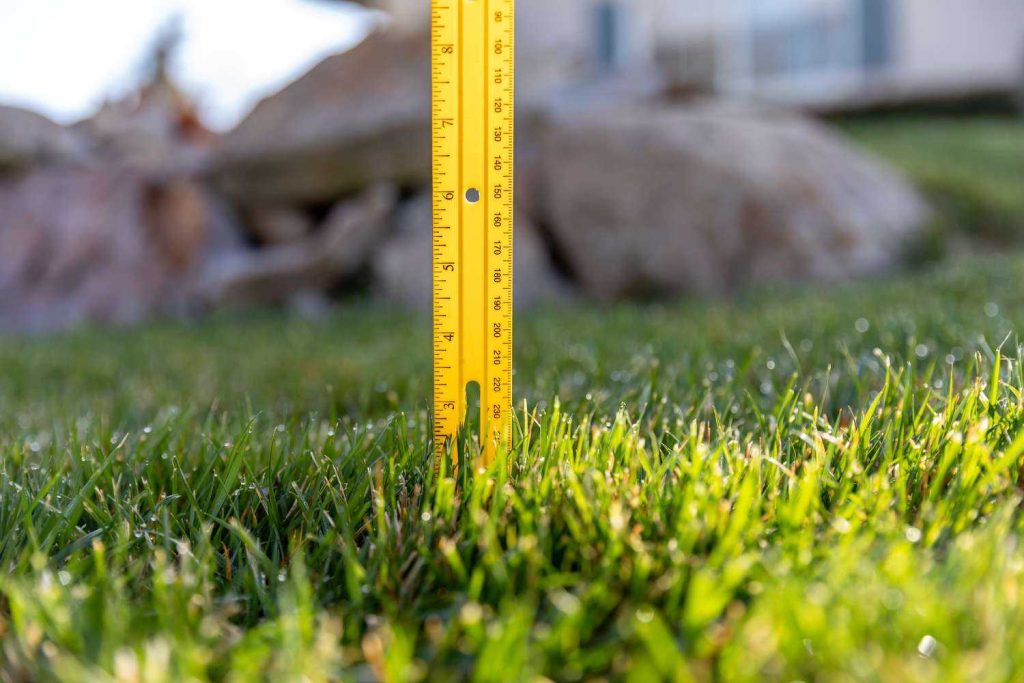
If you’re wondering how high to cut your grass for optimal health and appearance, you’ve come to the right place. The ideal cutting height varies depending on the type of grass you have, but as a general rule, most grasses thrive when cut between 2.5 to 4 inches. This not only helps maintain a lush, green lawn but also promotes deeper root growth and reduces the risk of weeds. Knowing the right height for your specific grass type can make all the difference in achieving a vibrant lawn. In this article, we’ll provide a handy Grass Cutting Height Chart and tips to ensure your grass stays healthy and beautiful all season long. So let’s dive in!

Grass Cutting Height Chart: How High to Cut Your Grass
Maintaining a lush, healthy lawn depends significantly on the height at which you cut your grass. Knowing the recommended cutting heights for different types of grass can help you achieve a vibrant and sustainable lawn. In this section, we will provide a detailed grass cutting height chart and explore essential factors to consider when mowing your lawn.
The Importance of Grass Cutting Height
Cutting your grass to the right height is essential for several reasons:
- Health: Grass that is cut too short can become stressed, leading to disease and weed invasion.
- Aesthetics: A well-manicured lawn looks inviting and enhances your home’s curb appeal.
- Water Retention: Taller grass holds moisture better, reducing the need for frequent watering.
- Sun Exposure: Proper height allows grass blades to capture sunlight effectively, promoting growth.
Understanding Different Grass Types
Different grass types require specific cutting heights for optimal growth. Here are some common grass types:
- Bermudagrass: Ideal for warm climates, it thrives at a height of 1 to 2 inches.
- Fescue: A cool-season grass, it flourishes best when cut to 3 to 4 inches.
- Kentucky Bluegrass: Also a cool-season grass, it prefers a cutting height of 2 to 3 inches.
- Zoysiagrass: This warm-season grass does well when cut between 1 to 2 inches.
Understanding these grass types helps you maintain a healthier lawn by cutting at the appropriate height.
Grass Cutting Height Chart
Here is a handy grass cutting height chart for quick reference:
| Grass Type | Recommended Height (inches) |
|---|---|
| Bermudagrass | 1 – 2 |
| Fescue | 3 – 4 |
| Kentucky Bluegrass | 2 – 3 |
| Zoysiagrass | 1 – 2 |
| Perennial Ryegrass | 1.5 – 2.5 |
Refer to this chart to ensure you’re cutting your grass to the correct height for each variety.
Factors Affecting Grass Cutting Height
Several factors can influence how high or low you should cut your grass:
Weather Conditions
Weather plays a crucial role in determining grass cutting height. During hot and dry spells, it’s advisable to leave your grass taller to help it retain moisture. Conversely, in cooler and wetter conditions, cutting shorter can improve air circulation and prevent disease.
Growth Rate
The growth rate of your grass also dictates the cutting height. During peak growing seasons, mow more frequently and adjust the height accordingly. In contrast, during slower growth periods, allow your lawn to grow a bit longer between cuts.
Soil Type
Soil type impacts how grass grows and how much moisture it retains. Sandy soils drain faster, requiring slightly taller grass to retain moisture, while clay soils may support shorter lengths due to their water retention abilities.
How to Mow at the Correct Height
Now that you know the ideal grass heights, here’s how to mow effectively.
- Set Your Mower: Adjust your mower to the desired height according to the grass type.
- Keep Blades Sharp: Sharp blades make clean cuts and prevent injury to the grass.
- Mow When Dry: Mowing wet grass can lead to uneven cuts and clumping.
- Follow the One-Third Rule: Never cut more than one-third of the grass height in a single mow.
Following these tips ensures you maintain the proper height while promoting a healthier lawn.
Common Mistakes to Avoid
To keep your lawn looking its best, be aware of these common mistakes:
- Mowing Too Short: Cutting grass too low can stress the plant and promote weed growth.
- Ignoring Seasonal Changes: Adjust your cutting height based on seasonal growth patterns.
- Neglecting Maintenance: Regular mower maintenance, including sharpening blades, is essential for effective mowing.
- Cutting Wet Grass: This can lead to uneven cuts and promote disease.
Avoiding these mistakes will enhance the overall health of your lawn.
The Benefits of Mulching
Consider mulching as part of your grass cutting routine. Mulching involves finely chopping grass clippings and distributing them back onto the lawn. Here’s why it’s beneficial:
- Nutrient Recycling: Grass clippings provide essential nutrients back to the soil.
- Moisture Retention: Mulched grass helps retain moisture, benefiting your lawn.
- Weed Suppression: A layer of mulched clippings can hinder weed growth.
Incorporating mulching into your mowing routine enhances the health of your lawn while saving time and resources.
Adjusting for Different Seasons
Adapting your grass cutting height according to the season can significantly impact your lawn’s health:
Spring
As grass begins to grow in spring, set your mower higher to accommodate the initial growth. Cutting at a height of 3 to 4 inches encourages a robust root system.
Summer
During hotter months, maintain a taller height to promote shade and moisture retention. This protects the grass from heat stress.
Fall
In fall, gradually lower the height to around 2 to 3 inches. This prepares the lawn for winter and prevents winter diseases.
Winter
During winter, avoid cutting unless necessary. A height of 2 to 3 inches may be suitable, depending on your grass type and climate.
Additional Tips for Lawn Care
Maintaining a healthy lawn involves more than just mowing. Here are some additional tips:
- Watering: Ensure your lawn receives adequate water, especially during dry spells.
- Fertilization: Apply a balanced fertilizer to promote healthy growth.
- Weed Control: Regularly check for weeds and address them promptly.
- Soil Testing: Conduct soil tests to determine nutrient levels and deficiencies.
Integrating these practices with proper mowing height will result in a thriving, beautiful lawn.
In summary, cutting grass at the appropriate height is vital for maintaining a healthy lawn. With the right knowledge about grass types and their cutting requirements, along with the benefits of regular maintenance, you can keep your lawn looking its best all season long. By following the guidelines outlined in this article, you will be well on your way to having a lush and vibrant lawn.
How TALL should you MOW your LAWN? Perfect Height?
Frequently Asked Questions
“`html
What factors influence the ideal grass cutting height?
The ideal grass cutting height depends on several factors, including the type of grass, the season, and your lawn’s overall health. Different grass species have specific height preferences. For instance, cool-season grasses generally thrive when cut to a height of 2.5 to 4 inches, while warm-season grasses prefer a height between 1.5 to 3 inches. Furthermore, seasonal changes can affect cutting height; during hotter months, it’s beneficial to keep the grass taller to retain moisture and reduce stress.
How often should I mow my lawn to maintain the recommended height?
To maintain the recommended grass height, you should mow your lawn regularly, usually every one to two weeks. The frequency can depend on the grass’s growth rate, which is influenced by factors such as weather, soil health, and irrigation. During the peak growing season, you may need to mow more often, while in cooler months, you can reduce the frequency.
What happens if I cut my grass too short?
Cutting your grass too short can lead to several problems. It can stress the grass, making it more susceptible to pests and diseases. Short grass also struggles to photosynthesize effectively, which can weaken its root system and overall health. This can result in a brown, patchy lawn that takes longer to recover.
Can I use a height adjustment on my mower for different grass types?
Yes, you can adjust the height of your mower to accommodate different grass types. Most mowers feature height adjustment settings that allow you to raise or lower the cutting deck. For instance, if you’re mowing a lawn with varying grass types, set your mower to the higher end of the recommended height for the tallest grass type to ensure you don’t damage any of the grass.
How does cutting height affect lawn health throughout the year?
Cutting height has a significant impact on lawn health year-round. Higher cuts during warmer months help retain soil moisture and provide shade for the roots, reducing heat stress. In cooler months, maintaining a slightly lower height can promote healthy growth and prepare the grass for winter. Adjusting cutting heights according to seasonal changes helps your lawn stay healthy and resilient.
“`
Final Thoughts
Understanding the optimal cutting height for your grass is essential for maintaining a healthy lawn. The right height can prevent weed growth and promote stronger roots, ensuring vibrant greenery. Referencing the ‘Grass Cutting Height Chart: How High to Cut Your Grass’ can guide you in making the best decisions for your specific type of grass.
Regularly adjusting your mower settings based on this chart will help keep your lawn lush and green. Remember, cutting your grass at the appropriate height not only enhances its appearance but also supports overall lawn health. Keep this chart handy for a thriving outdoor space.