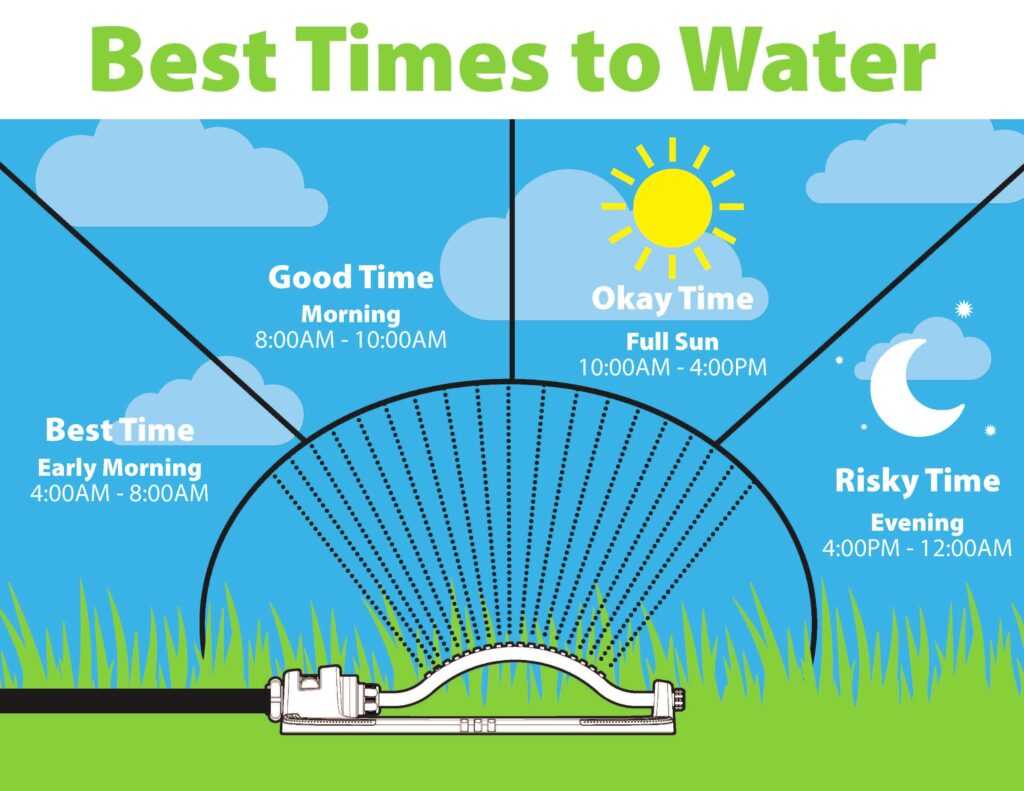
The best time to water your lawn is early in the morning, ideally before sunrise. This allows the grass to absorb moisture efficiently while minimizing evaporation and fungal growth. Watering at this time helps keep your lawn healthy, lush, and green throughout the day.
In short, the optimal time to water your lawn is early morning, between 4 a.m. and 10 a.m., when the temperatures are cooler and winds are calmer. This ensures your grass gets enough hydration without wasting water or risking disease. Proper watering habits can transform your yard into a vibrant, resilient patch of green, and timing plays a crucial role in achieving that perfect look.
Getting your lawn watering schedule right is more than just a routine; it’s a key to maintaining a beautiful and healthy yard. Many homeowners wonder about the ideal moment to give their grass a drink, especially with varying weather conditions and busy schedules. Watering too late in the day can leave your lawn vulnerable to disease, while watering in the heat of midday leads to excessive water loss. By watering early in the morning, you give your grass the best chance to soak in moisture before the sun and activity ramp up. Consistent, well-timed watering helps your lawn stay strong, drought-resistant, and vibrant, making it a standout feature of your home’s exterior.

What is the Best Time to Water a Lawn
Choosing the right time to water your lawn is essential for keeping it healthy and lush. Proper timing ensures that your grass absorbs the maximum amount of water and stays strong against drought and pests. In this section, we will explore why timing matters and how it impacts your lawn’s overall health.
Understanding How Watering Timing Affects Your Lawn
Watering at optimal times helps prevent water runoff and evaporation. If you water too late in the day, moisture can stay on the grass overnight, leading to fungal growth. Conversely, watering during the hottest parts of the day causes water to evaporate quickly, wasting valuable resources. Finding the perfect watering window is key to a thriving lawn.
Why Morning Is the Best Time to Water Your Lawn
Early morning, specifically between 4 a.m. and 10 a.m., is generally considered the best time to water. During this period, temperatures are cooler, and winds are calmer, which reduces evaporation. Watering in the morning allows grass blades to dry during the day, decreasing the risk of diseases like brown patch or leaf spot.
- Maximum water absorption: Cooler temperatures help water soak deeper into the soil.
- Reduced disease risk: Drier grass blades overnight prevent fungal growth.
- Efficient water use: Less water is lost through evaporation or wind.
What Happens If You Water Too Late or Too Early?
Watering too late in the evening leaves the grass moist overnight, creating a perfect environment for fungi. Early morning watering ensures the grass dries out before evening, preventing disease buildup. Too early or too late can lead to unnecessary water waste and lawn health issues.
Watering in the Late Afternoon or Early Evening
While some think watering in the late afternoon is beneficial, it can be problematic. Watering around 4 p.m. to 6 p.m. means grass stays wet longer, especially if weather is cloudy or humid. This prolonged moisture can encourage mold, moss, and fungal infections.
Benefits of Avoiding Late-Day Watering
- Prevents fungal infections: Grass dries quickly when watered early, reducing disease risk.
- Protects grass roots: Prolonged moisture can weaken roots and make grass susceptible to pests.
How Weather Conditions Influence Optimal Watering Times
Weather plays a significant role in determining the best watering time. On hot, dry days, your lawn may require more frequent watering, preferably in the early morning. During cooler months or after rain, watering needs decrease, and timing can be adjusted accordingly.
Rain and its Impact on Watering Schedule
If it has rained recently, watering might not be necessary. Use a rain gauge or check your soil moisture levels before watering again. Overwatering can drown roots and lead to fungal problems.
High Temperatures and Wind Effects
During peak heat or windy days, water can evaporate faster, requiring you to water more thoroughly and during early morning hours to compensate. Monitoring weather patterns helps make smarter watering decisions.
Identifying the Right Frequency for Watering
Beyond timing, how often you water matters. A good rule of thumb is to water deeply once or twice a week. Deep watering encourages roots to grow deeper into the soil, increasing drought resistance.
Signs You Need to Water More
- Grass blades look dull or grayish
- Footprints or mow lines stay visible for hours
- Soil feels dry beneath the surface
Signs You Are Overwatering
- Yellowing or wilting grass
- Sticky or spongy soil
- Increased fungal growth or moss development
Using Tools and Technology to Optimize Watering Time
Modern tools can help you determine the best watering schedule. Soil moisture sensors measure moisture levels and tell you when watering is actually needed. Timers and automated irrigation systems can be programmed for the optimal time frame.
Benefits of Using Soil Moisture Sensors
- Precise watering: Avoids unnecessary watering by monitoring actual soil conditions.
- Resource savings: Saves water and reduces utility bills.
- Healthier lawn: Ensures grass gets the right amount of water when needed.
Setting Up an Automated Irrigation System
Automated systems can be programmed to water early in the morning and adjust based on weather forecasts. This ensures your lawn receives consistent care, even when you’re busy or away.
Additional Tips for Effective Lawn Watering
In addition to timing, consider these factors to keep your lawn healthy and green:
- Water deeply: Aim for about 1 to 1.5 inches of water per session.
- Water slowly: Use a slow flow to allow water to penetrate deeply.
- Avoid frequent shallow watering: Shallow watering encourages shallow roots.
Best Practices for Lawn Watering
- Water early in the morning for optimal health and efficiency.
- Adjust frequency based on weather and soil conditions.
- Use tools like rain gauges or moisture sensors to guide watering.
- Check your lawn regularly for signs of over or under-watering.
Seasonal Adjustments for Watering
Your watering schedule should change with the seasons. During hot summer months, watering may be needed more often, preferably early morning. In cooler seasons, watering needs decrease, and less frequent watering is sufficient.
Winter Considerations
In winter, lawns generally do not need watering unless drought conditions occur. Ensuring the soil remains moist during dry periods prevents grass from becoming dormant or stressed.
Spring and Fall Practices
As temperatures rise in spring, increase watering gradually. In fall, reduce watering frequency but continue to monitor soil moisture to prepare your lawn for winter dormancy.
Summary of Key Points
| Time to Water | Reasons |
|---|---|
| Early morning (4 a.m. to 10 a.m.) | Best for absorption, prevents disease, minimizes evaporation |
| Late afternoon to early evening | Causes prolonged moisture, risk of fungal growth |
| Avoid watering late at night | Increases fungal and disease risk due to overnight moisture |
Understanding these timing principles and adjusting your watering schedule accordingly will help you maintain a green, healthy lawn that withstands weather changes and pests. Proper watering not only conserves water resources but also fosters strong root systems and vibrant grass.
When Is The Best Time To Water Your Lawn?
Frequently Asked Questions
When is the optimal time of day to water a lawn for the best absorption?
The best time to water your lawn is early in the morning, ideally between 4 a.m. and 10 a.m. This allows water to penetrate the soil deeply, promoting healthy root growth. Watering in the morning also helps the grass dry out before evening, reducing the risk of fungal diseases and discouraging pests that thrive in wet conditions.
How does watering in the evening affect my lawn’s health?
Watering in the evening can leave the grass wet overnight, creating an environment conducive to fungal growth and other lawn diseases. The prolonged moisture can also attract pests. To prevent these issues, it’s better to schedule watering earlier in the day when the grass can dry before cooler nighttime temperatures settle in.
Why is watering during midday less effective for my lawn?
Midday watering, typically between 10 a.m. and 2 p.m., is less effective because much of the water evaporates quickly due to the heat and direct sunlight. This means less water reaches the roots, leading to inefficient use and potentially requiring more frequent watering. Watering during cooler parts of the day ensures more water absorption and less waste.
How can I determine the right amount of water to give my lawn at the best time?
The goal is to provide enough water to moisten the soil to a depth of about 6 inches, promoting deep root growth. Typically, this requires about 1 to 1.5 inches of water per watering session. Using a rain gauge or a small container during watering can help monitor the amount. Deep, infrequent watering during the early morning ensures the grass remains healthy and resilient.
What are some signs that I should adjust my watering schedule based on the time of day?
If your lawn shows signs of drought stress, such as yellowing or wilting grass, it may need more water or a different watering time. Conversely, if you notice a lot of fungal growth or persistent dampness, you might need to water earlier in the day or reduce watering frequency. Regularly observe your lawn to adapt your schedule and promote overall health.
Final Thoughts
The best time to water a lawn is early morning, ideally between sunrise and 10 a.m. This allows the grass to absorb moisture before the heat of the day causes evaporation. Watering in the evening can lead to prolonged moisture, increasing the risk of disease.
By choosing the right time, you ensure your lawn remains healthy and well-hydrated. Consistent watering early in the day minimizes water waste and supports grass growth.
What is the best time to water a lawn? Early morning offers optimal conditions for healthy, vibrant grass.