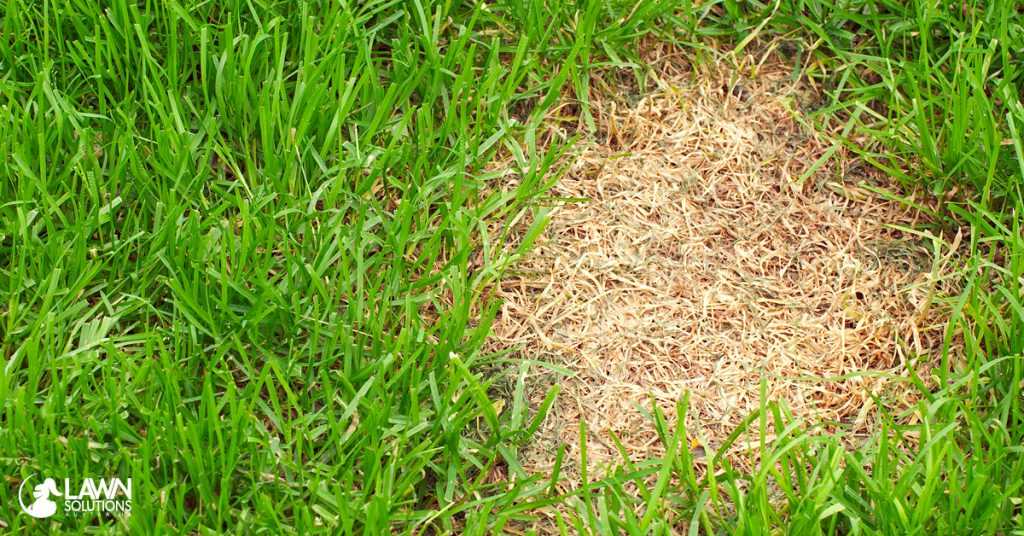
To restore your patchy lawn, focus on raking out dead grass, leveling the soil, and reseeding with the right grass mix. Water consistently and fertilize to encourage healthy growth. Addressing these areas promptly can turn a patchy yard into a lush, green oasis.
If your lawn has bare or patchy spots, the key is to identify the cause—whether it’s poor soil, pests, or drought—and take targeted action. Reseeding, improving soil quality, and regular watering are essential steps. With patience and proper care, you can revive your lawn’s beauty and enjoy a vibrant, even landscape.
A patchy lawn can be a frustrating sight, but fixing it doesn’t have to be complicated. Usually, patches occur due to overuse, pests, or uneven soil, making your yard look uneven or neglected. The good news is that with a few simple techniques like aeration, reseeding, and proper watering, you can breathe new life into your grass. It’s all about identifying the root of the problem and applying the right solution. Whether you’re dealing with a small patch or widespread bare spots, these tips will help you get your lawn looking healthy and green again, so you can enjoy a lush outdoor space all season long.

How to fix patchy grass in lawn
Understanding the causes of patchy grass
Having patchy grass can be frustrating, but knowing why it happens helps in fixing it effectively. Common causes include poor soil quality, over or under-watering, disease, pests, and compacted soil. Identifying the main reason in your yard allows you to choose the right solution. For example, uneven watering can lead to dry patches, while heavy foot traffic can compact the soil and hinder grass growth.
Assessing the condition of your lawn
Before starting repairs, examine your lawn carefully. Check for signs of pests or disease, discoloration, or thinning grass. Soil tests can reveal nutrient deficiencies or pH imbalance. Use a soil test kit to analyze the soil’s pH and nutrient levels, making sure it supports healthy grass growth. Additionally, look for areas with compacted soil or excessive thatch buildup.
Preparing the lawn for repair
Proper preparation is key to fixing patchy grass. Clear away debris, weeds, and dead grass from affected areas. Loosen the soil using a garden fork or aerator to improve porosity and allow roots to access air and water. If thatch is thick (more than half an inch), remove it with a dethatching rake or machine. This step creates a healthy environment for new grass to establish.
Choosing the right grass seed
Selecting the appropriate grass seed is critical for successful patch repair. Consider your climate, sunlight exposure, and soil type. For example, cool-season grasses like fescue or bluegrass work well in northern areas, while warm-season grasses such as Bermuda or Zoysia are suitable for southern regions. Use high-quality, disease-resistant seed for best results.
Seeding patchy areas correctly
To ensure good germination, prepare the soil surface by raking it smooth and slightly moist. Spread the seed evenly, following the recommended seeding rate on the package. Lightly press the seed into the soil using a roller or foot to improve contact. Cover the area with a thin layer of soil or mulch to retain moisture.
Watering for successful germination
Consistent moisture is essential during germination. Keep the soil consistently damp but not soaked, watering lightly several times a day if needed. Use a fine spray to avoid washing away the seeds. As new grass begins to grow, gradually reduce watering frequency but increase depth to encourage deep roots.
Repairing patches with sod or plugs
In cases where rapid recovery is needed, laying sod or planting grass plugs can be effective. Cut healthy sod or plugs into pieces slightly larger than the patch. Remove dead grass and loosen the soil beneath. Lay the sod or plugs, press firmly, and water thoroughly. This method provides immediate coverage and reduces weed invasion.
Fertilizing to promote healthy grass growth
Applying the right fertilizer supplies necessary nutrients for dense, lush grass. Use a balanced fertilizer with nitrogen, phosphorus, and potassium. Apply it after seeding or planting to give your grass a strong start. Follow package instructions to avoid over-fertilizing, which can cause more problems.
Watering and maintaining the repaired lawn
Consistent watering is vital during the establishment phase. Keep the soil evenly moist for the first few weeks. As the grass matures, reduce watering frequency but increase depth to encourage strong root development. Avoid excessive foot traffic on newly repaired patches until the grass is established.
Controlling pests and diseases
Pests like grubs or insects can cause patchy areas by damaging roots or foliage. Regularly inspect your lawn for signs of pests or disease symptoms. Use appropriate organic or chemical solutions when necessary. Proper lawn maintenance, including aeration and fertilization, also helps prevent these issues.
Managing soil health for long-term lawn vitality
Healthy soil is the foundation for a lush, uniform lawn. Incorporate organic matter such as compost or peat moss to improve soil structure and fertility. Aeration helps reduce compaction, and proper pH adjustment ensures nutrients are available to grass roots. Regularly test and amend soil to sustain healthy growth.
Preventing future patchiness
Preventative measures include proper mowing, watering, and fertilization routines. Avoid cutting grass too short, which stresses the plants and weakens their resistance. Water deeply and infrequently to encourage deep roots, and aerate the lawn annually to prevent compaction. Regularly overseeding patches can help maintain a dense, uniform lawn.
Additional tips for a healthy lawn
Regular lawn care involves a combination of practices. Mow at the correct height for your grass type, remove clippings to prevent thatch buildup, and keep an eye out for signs of stress or pests. Use weed control methods carefully to avoid damaging your grass. These steps contribute to a resilient, attractive lawn free from patchiness.
Summary of essential repair steps
- Identify the cause of patchiness
- Assess and prepare your lawn by removing debris and aerating
- Select the right grass seed or sod based on your climate
- Seed or lay sod, ensuring proper contact and coverage
- Water consistently to promote germination and establishment
- Fertilize appropriately and control pests and diseases
- Maintain soil health through organic amendments and pH adjustments
- Practice good lawn care to prevent future patches
Addressing patchy grass involves understanding its causes, preparing your soil properly, and choosing the best repair method for your situation. Regular maintenance and preventative care will ensure your lawn remains lush, green, and patch-free for years to come.
How to FIX an UGLY Lawn with RESULTS – Step by Step for Beginners EASY
Frequently Asked Questions
What steps can I take to improve soil quality for patchy areas?
Start by testing your soil to identify nutrient deficiencies or pH imbalances. Aerate the soil to improve air circulation and water penetration. Add organic matter like compost or topsoil to enrich the soil and provide a better environment for grass roots to grow evenly across the lawn.
How often should I water patchy areas to promote healthy growth?
Water the bare or patchy spots deeply and consistently, ensuring the soil remains moist but not waterlogged. Usually, watering these areas once or twice daily during dry spells helps grass establish roots. Adjust watering based on weather conditions to avoid over- or under-watering.
What type of grass seed should I choose for repairing patches?
Select grass seed that matches your existing lawn’s grass type and is suitable for your climate. Consider using high-quality, disease-resistant varieties to ensure quick germination and strong growth. Properly conditioning the soil before seeding increases the chances of successful patch repair.
How can I prevent patches from reappearing after fixing them?
Maintain a regular lawn care routine that includes proper mowing height, watering, and fertilization. Address any underlying issues like soil compaction or pest problems promptly. Consistently overseeding thin areas and removing thatch build-up also helps preserve an even, healthy lawn.
Final Thoughts
To fix patchy grass in lawn, start by identifying the areas with bare spots. Remove dead grass and loosen the soil for better seed contact. Spread new grass seed evenly and lightly cover it with soil or compost. Water regularly to keep the soil moist.
Apply fertilizer to encourage healthy growth, and avoid heavy foot traffic on patched sections. Consistent care and patience will gradually improve your lawn’s appearance. Following these steps will help restore a lush, even lawn.
In conclusion, how to fix patchy grass in lawn involves reseeding, fertilizing, and proper watering. With dedicated effort, your lawn will become fuller and greener over time.