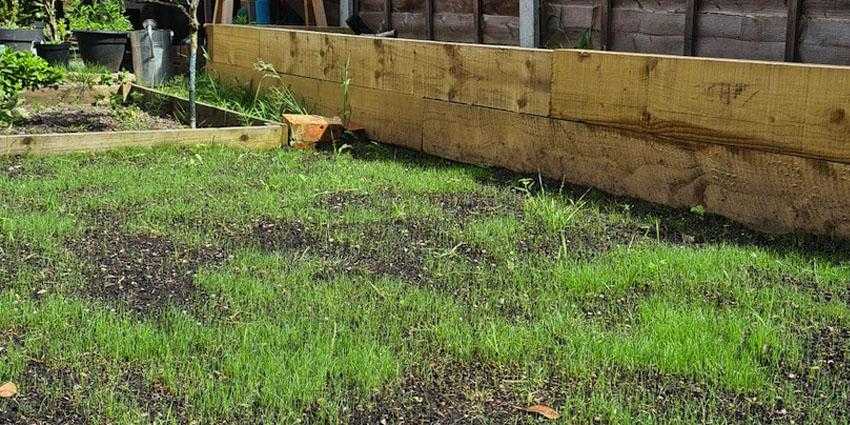
To start a lawn from scratch, begin by preparing the soil, laying down grass seed or turf, and ensuring proper watering and maintenance as it grows. The key is to create the right environment and stay consistent in caring for your new grass.
In short, start by clearing the area of debris, then improve the soil with compost or fertilizer. Choose the right grass type for your climate, and either seed or lay turf. Keep the soil moist and be patient as your lawn establishes itself.
Getting a lush, green lawn from nothing can seem daunting, but with the right steps, it’s entirely achievable. The process involves careful planning, soil preparation, and choosing the right grass for your environment. Whether you opt for seed or turf, establishing a new lawn requires dedication to watering, fertilizing, and patience, but the result—your beautiful outdoor space—is worth every effort.

How to start a lawn from scratch
Starting a lawn from scratch can seem like a big task, but breaking it down into clear steps makes it easier. Whether you are preparing a new yard or fixing an old one, understanding the process helps you get a lush, green space. In this section, you’ll learn the essential steps to create a healthy, beautiful lawn from the ground up.
Assess Your Soil and Area
Before planting, evaluate the terrain and soil quality. Knowing your soil type and condition helps you choose the right grass and amendments. Use a soil testing kit to check pH levels and nutrient content. Most healthy lawns prefer a pH between 6.0 and 7.0.
Test Soil pH and Nutrients
Testing soil helps determine what nutrients are missing. You can buy a simple test kit at a garden center or send a sample to a lab. Based on results, you may need to add lime to raise pH or sulfur to lower it.
Examine Drainage and Sunlight
Check if your yard drains well or if water pools after rain. Good drainage prevents issues like root rot. Also, observe sunlight exposure throughout the day to choose suitable grass types.
Clear and Prepare the Site
Clear the yard of any debris, rocks, or old grass. Remove weeds to prevent competition with new grass. Then, prepare the soil by loosening it for better root growth.
Removing Old Vegetation and Debris
Use a rake or garden fork to clear away sticks, stones, and dead grass. If the area has existing grass, decide whether to kill it or remove it completely.
Weed Control
Apply a weed-killing herbicide if weeds are present. Wait at least two weeks before planting to ensure weeds die off completely.
Loosen and Level the Soil
Use a rototiller or garden fork to turn the soil at least 4 to 6 inches deep. Level the ground with a rake for an even surface. This step improves soil aeration and helps roots grow.
Amend the Soil for Better Growth
Based on soil test results, add organic matter or fertilizers to improve soil health. Compost, peat moss, or manure help provide vital nutrients.
Adding Organic Matter
Mix in 2 to 3 inches of compost or aged manure into the topsoil. This improves fertility and moisture retention.
Fertilizing
Use a starter fertilizer with nitrogen, phosphorus, and potassium. Follow the label instructions carefully to avoid over-application.
Selecting the Right Grass Type
Choose grass that matches your climate, sunlight, and lawn usage. There are two main categories: cool-season and warm-season grasses.
Cool-Season Grasses
Ideal for regions with cold winters. Examples include Kentucky bluegrass, fescue, and ryegrass. These grasses grow best in spring and fall.
Warm-Season Grasses
Best for hot, dry climates. Examples include Bermuda grass, zoysia, and buffalo grass. They thrive in summer and go dormant in winter.
Planting Methods
There are two main ways to establish a lawn: seeding or laying sod. Each method has its advantages.
Seeding
Seeding is cost-effective and allows for a variety of grass types. It takes longer to establish but is suitable for large areas.
- Choose high-quality seed suited to your climate.
- Spread seed evenly using a broadcast spreader.
- Cover lightly with soil or mulch to protect seeds.
- Water gently but thoroughly after planting.
Laying Sod
Sod provides instant results and is ideal for quick renovations. It’s more expensive but requires less initial effort.
- Lay sod in a brick-like pattern, staggering seams.
- Press down firmly to ensure good contact with soil.
- Water immediately after laying.
- Keep sod moist until it establishes.
Watering and Maintaining Your New Lawn
Proper watering is vital during the early weeks. Maintain consistent moisture to help grass roots develop.
Watering Schedule
Water lightly multiple times a day for the first week. As the grass grows, gradually reduce frequency but increase depth of watering.
- Keep soil moist but not waterlogged.
- Deep watering encourages strong root growth.
- Adjust based on weather conditions.
mowing and Ongoing Care
Begin mowing once your grass reaches about 3 inches tall. Keep blades sharp for a clean cut.
- Mow regularly, removing only one-third of the grass height.
- Fertilize periodically to support growth.
- Control weeds with proper lawn treatments.
Common Problems and Solutions
New lawns can face issues like weeds, pests, or disease. Address problems quickly to maintain a healthy turf.
Dealing with Weeds
Hand-pull weeds or apply a selective herbicide. Prevent future weeds by keeping the lawn dense and healthy.
Pest Management
Inspect regularly for signs of pests like grubs. Use appropriate treatments if pests are detected.
Dealing with Disease
Maintain proper watering and mowing practices. Remove infected areas and apply fungicide if necessary.
Additional Tips for a Successful Lawn
Consistency is key when establishing a new lawn. Keep up with watering, fertilizing, and mowing for best results.
Patience and Persistence
A lush lawn takes time to grow. Stick with your care routine, and you will see your yard improve.
Seasonal Considerations
Plant in early spring or fall for cooler weather and better germination. Avoid planting during the hottest summer months.
Using Lawn Care Tools
Invest in quality tools like a good rake, garden shovel, and sprinkler. Proper tools make the job easier.
- Rake for leveling soil and removing debris.
- Shovel for amendments and planting.
- Sprinkler or hose for consistent watering.
Creating a lawn from scratch requires planning, effort, and patience. Following these detailed steps ensures you will have a beautiful, healthy yard to enjoy for years to come. With the right preparations and ongoing care, your new lawn can become a real outdoor space for fun, relaxation, and gatherings.
How to Grow a Lawn From Scratch (DIY Guide + Lessons Learned)
Frequently Asked Questions
What is the first step to prepare the soil for planting a new lawn?
Start by removing any existing grass, weeds, or debris from the area. Test the soil to determine its pH and nutrient levels. Based on the test results, amend the soil with compost or soil conditioners to improve its fertility and structure. Raking the area to loosen the soil helps create a suitable seedbed for optimal germination.
How do I choose the right grass type for my lawn?
Select a grass variety that matches your local climate, soil type, and sunlight exposure. Consider your lawn’s primary use, whether for aesthetic appeal, high foot traffic, or shade tolerance. Consulting with local gardening experts or visiting a nearby nursery can help you identify the best grass type that will thrive in your environment.
What is the best method for planting grass seeds effectively?
Apply the grass seeds evenly across the prepared soil, either by hand or with a seed spreader. Lightly rake the seeds into the soil to ensure good seed-to-soil contact, then gently press them down with a roller or by walking over the area. Water the area gently but thoroughly to keep the soil consistently moist, which encourages uniform germination.
How often should I water my new lawn during the initial weeks?
Water your lawn lightly once or twice daily to keep the topsoil consistently moist. As the grass begins to germinate and grow, gradually reduce the frequency but increase the depth of watering to encourage strong root development. Aim to keep the soil moist but not waterlogged throughout this critical establishment period.
When can I start mowing my new lawn?
You can begin mowing once the grass reaches about 3 inches in height and has established a strong root system. Set your mower to a higher setting initially to avoid stressing the young grass. Regular mowing helps promote healthy growth and a neat appearance, but always ensure the blades are sharp for a clean cut.
Final Thoughts
Starting a lawn from scratch involves preparing the soil, choosing the right grass seed, and planting it at the correct depth. Clear the area of debris and weeds to give your grass room to grow. Regular watering and proper fertilization promote healthy development.
To summarize, how to start a lawn from scratch requires careful planning, soil preparation, and consistent care. Follow these steps diligently, and you will create a lush and vibrant lawn that enhances your outdoor space.