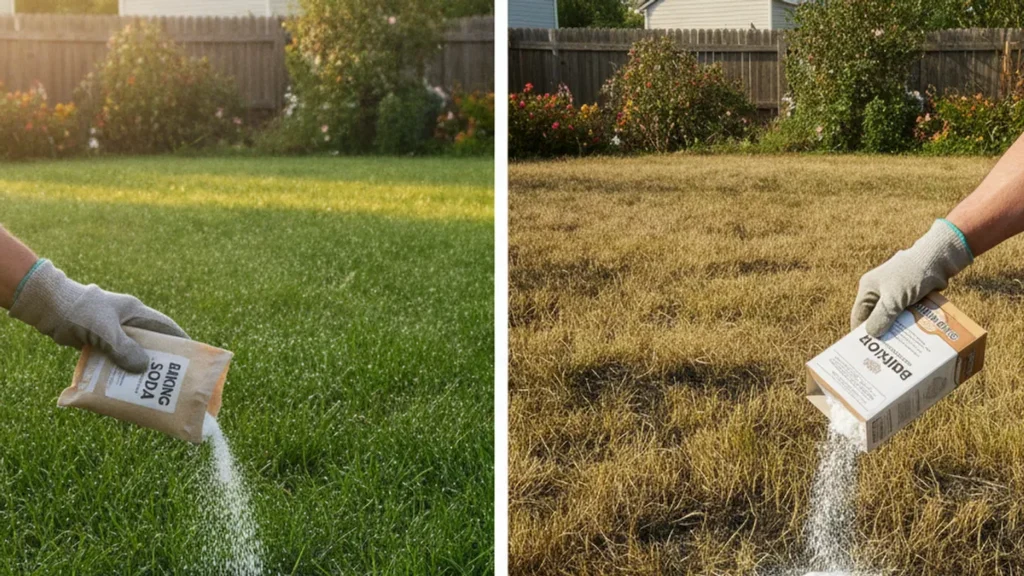
So, you're wondering, "What does baking soda do for grass?" It's a common question, and the answer isn't as straightforward as you might think. While it has some very specific applications where it can be beneficial, it's definitely not a one-size-fits-all lawn miracle. If you've heard it can fix everything from weeds to poor soil, it's time to get a clearer picture.
Our research indicates that baking soda, or sodium bicarbonate, can indeed play a role in lawn care, but only under precise conditions. For instance, when soil pH levels dip too low (meaning it's too acidic), and according to standards set by university agricultural extensions as of 2026, grass struggles to absorb essential nutrients. This is where baking soda can potentially step in as a temporary helper.
When Baking Soda Might Be a Lawn Friend (And When It Isn't)
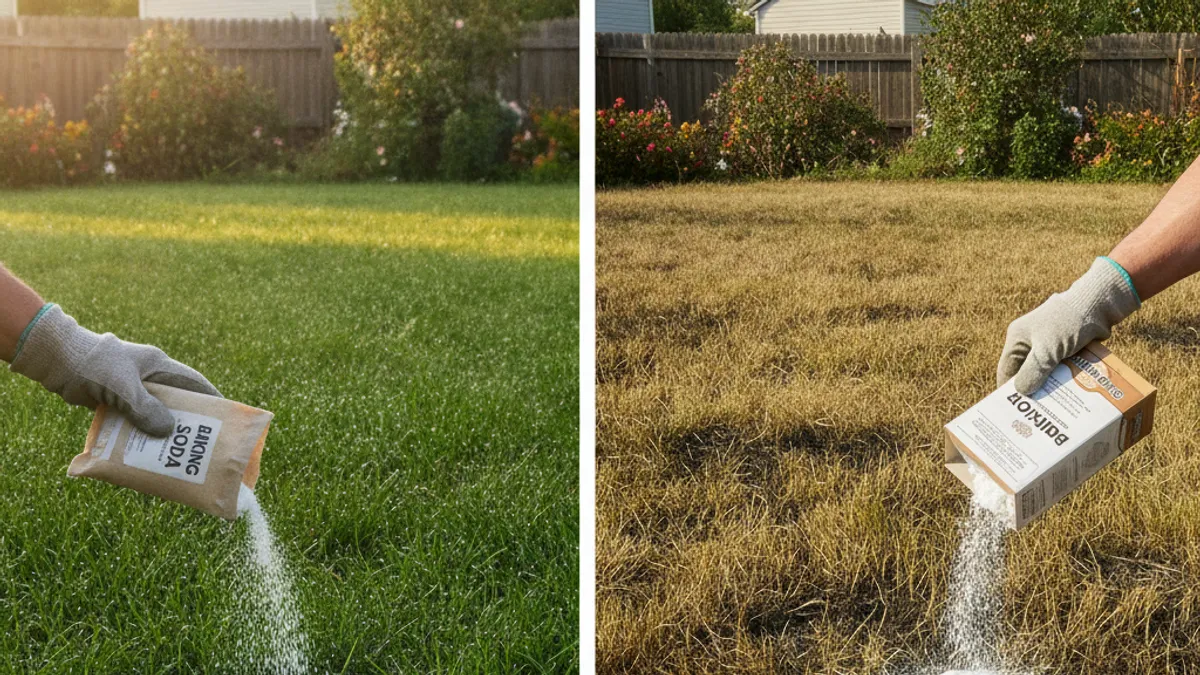
The real magic, or rather the science, behind baking soda’s effect on your lawn boils down to a few key scenarios. If your grass is looking sickly, the first thing to consider is your soil's health. Is it too acidic, or is something else going on?
Is Your Lawn's Soil Too Acidic?
If your soil is too acidic, your grass plants are essentially being starved. Most common lawn grasses, like fescue or bluegrass, thrive in a soil pH range of 6.0 to 7.0. When the pH drops below 6.0, crucial nutrients like nitrogen, phosphorus, and potassium become less available. Baking soda acts as a base, meaning it can help to neutralize acidity.
So, if a soil test confirms an acidic problem, a carefully measured application of baking soda might help adjust the pH just enough to make those nutrients accessible again. This isn't a permanent fix, but it can buy some time.
Are Weeds or Pests Bugging You?
You might have also heard that baking soda can deter weeds or pests. The thinking here is that its alkaline nature can sometimes disrupt the life cycles of certain weeds or create an unfavorable environment for some insects. However, this effect is generally mild and localized. Baking soda isn't a powerful herbicide or insecticide.
Its ability to impact many types of weeds and pests is limited, and it often requires direct application. If you're facing a serious weed infestation or pest problem, relying solely on baking soda is likely to disappoint.
How Baking Soda Works on Your Lawn (The Science Bit)
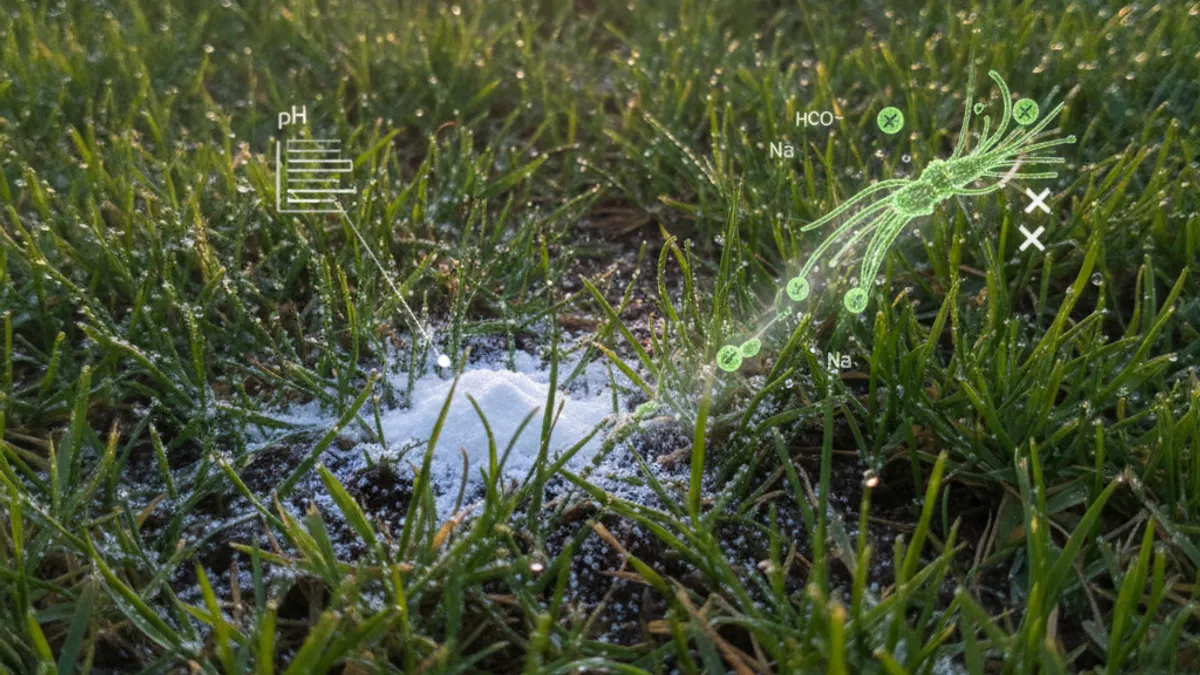
Understanding the chemistry behind baking soda is key to using it effectively. It’s not magic; it’s a reaction that can either help or harm your grass depending on how it's applied.
Buffering pH: The Main Event
Baking soda's primary function in this context is as a pH buffer. Soil pH measures how acidic or alkaline the soil is. A reading of 7.0 is neutral; below 7.0 is acidic, and above 7.0 is alkaline. As mentioned, grass has an ideal pH range.
When rainwater or certain soil amendments make the soil too acidic, essential minerals lock up. Baking soda, being alkaline, can react with acids in the soil, gently raising the pH. This process helps release those locked-up nutrients, making them available for grass roots to absorb. Think of it like adjusting a thermostat to make the environment just right for your lawn to thrive.
Beyond pH: Other Potential Effects
While pH buffering is the most significant impact, baking soda can have other minor effects. Its mild abrasive quality might help break down thatch accumulation when applied directly and worked into the soil surface, though this is not its primary use. Some anecdotal reports suggest it can deter certain fungi that cause mild lawn diseases or discourage some soft-bodied insects. However, these effects are often secondary and less reliable than its role in pH adjustment.
For more serious fungal issues or persistent pest problems, dedicated treatments are far more effective and recommended.
The Pros and Cons of Using Baking Soda on Grass
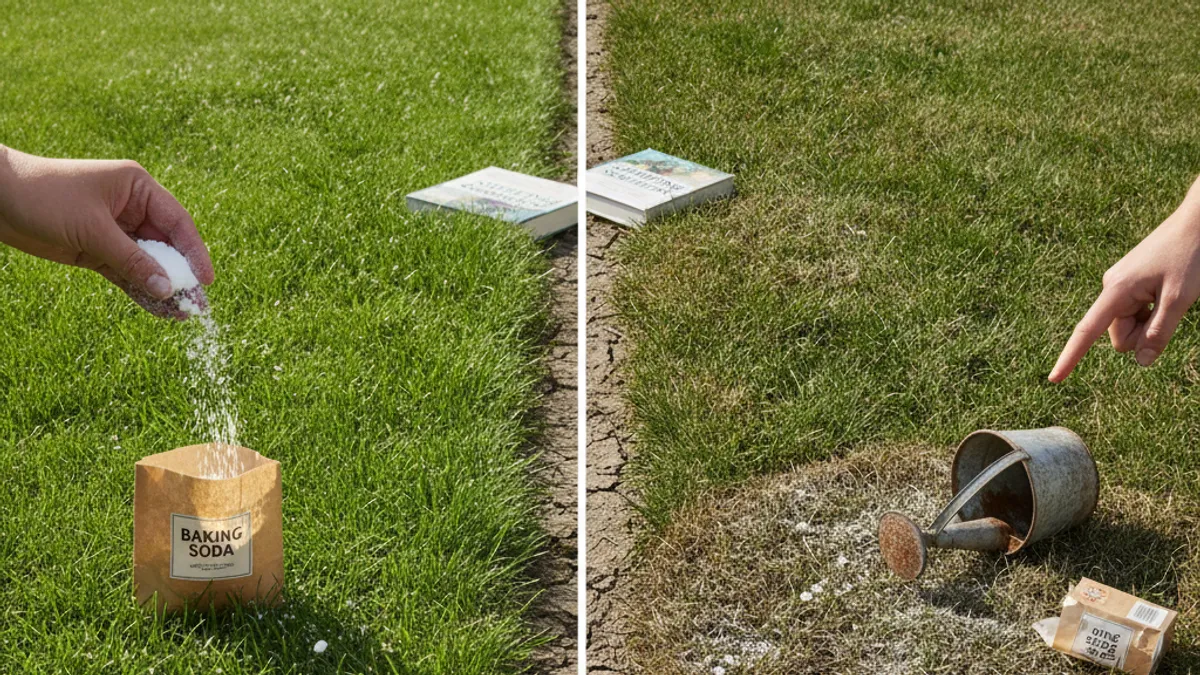
Like any lawn care product, baking soda has its good points and its not-so-good points. Knowing these upfront can save you time, effort, and potential damage to your lawn.
Potential Benefits
- pH Adjustment: Its biggest plus is its ability to gently counteract soil acidity, making nutrients more available to your grass when used correctly.
- Natural Alternative: For those looking to reduce their use of synthetic chemicals, baking soda offers a more natural option for specific soil issues.
- Mild Deterrent: It can sometimes discourage certain common lawn pests and a limited number of weed types.
Downsides to Watch Out For
- Salt Content: Baking soda contains sodium, and too much sodium can be toxic to plants and degrade soil structure over time, making it harder for water to penetrate.
- Temporary Fix: It doesn't fundamentally change the soil composition. If the source of acidity isn't addressed, the pH will likely drift back down.
- Damage Potential: Over-application is a significant risk and can burn grass blades, leading to yellow or brown patches, sometimes referred to as "baking soda burn."
- Limited Scope: It's ineffective for many common lawn problems, such as fungal diseases, nutrient deficiencies (beyond those caused by acidity), or widespread weed infestations.
Who Should (and Shouldn't) Use Baking Soda on Their Lawn
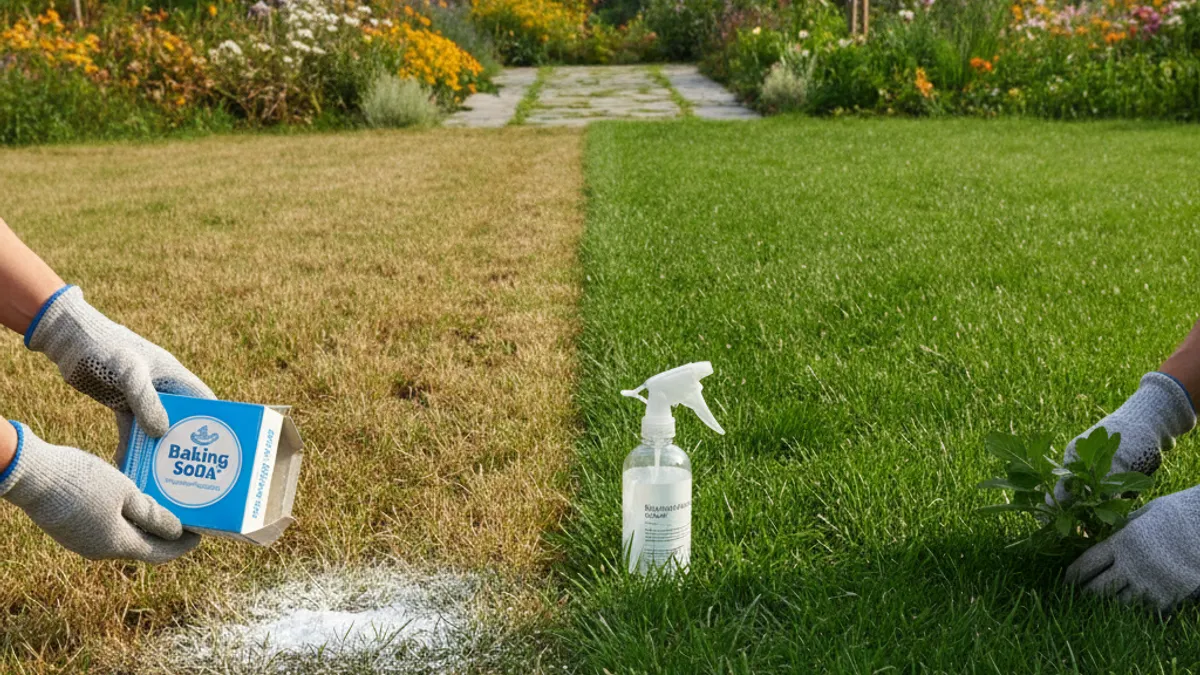
Deciding if baking soda is the right tool for your lawn care toolbox depends entirely on your specific needs and conditions. It's not a universal solution, so a little diagnostic work goes a long way.
Best Use Cases for Baking Soda
Baking soda is best suited for homeowners or gardeners who have confirmed their soil is too acidic. This typically happens in regions with high rainfall or certain soil compositions. If a soil test, like those offered by many university extension offices, shows a pH below 6.0, and your grass is struggling to green up or grow well despite adequate watering and fertilization, baking soda might be worth considering. It's also a good option for spot-treating small areas where acidity is a confirmed issue.
When to Skip Baking Soda
You should generally skip baking soda if:
- Your soil pH is already in the ideal range (6.0-7.0) or is alkaline. Adding baking soda will only make things worse, potentially harming your grass.
- You have a specific pest or weed problem that requires targeted treatment. Baking soda's effect is too mild for significant infestations.
- You are unwilling to perform a soil test. Applying baking soda without knowing your soil's pH is a gamble that can easily damage your lawn.
- You have high-traffic areas or a very sandy soil, as these can be more susceptible to salt damage from sodium.
Your Baking Soda Lawn Care Action Plan
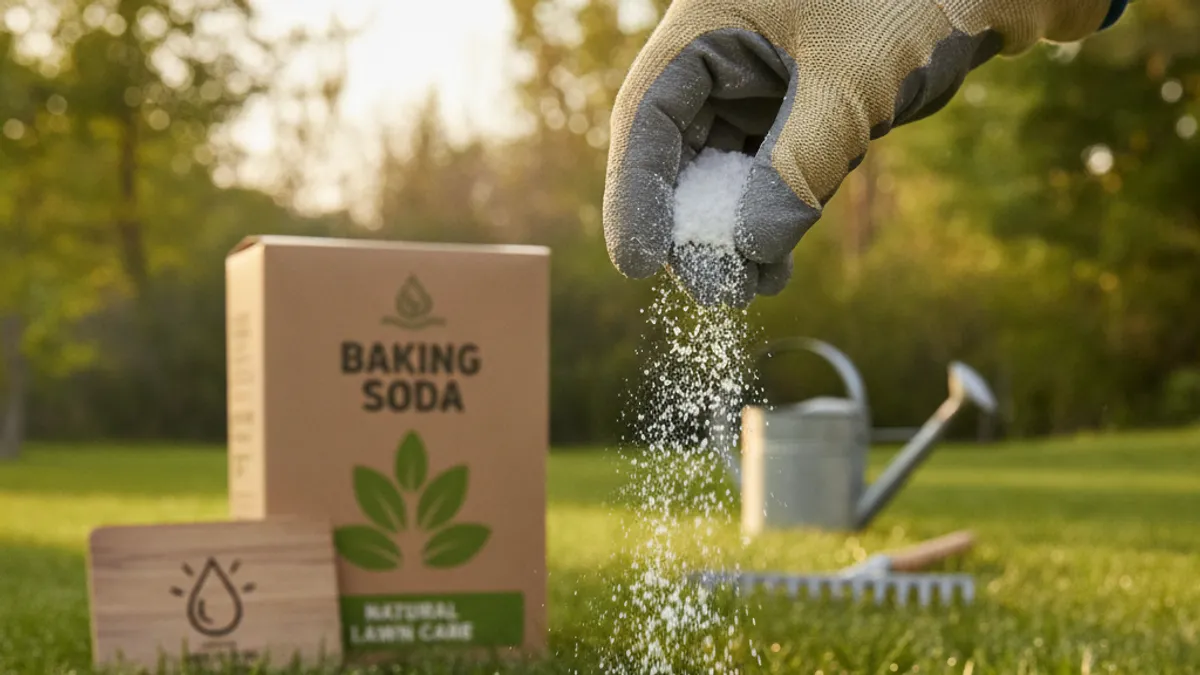
If you've decided baking soda might be the right move for your lawn, follow these steps carefully. Precision is key to getting the benefits without causing harm.
Step 1: Test Your Soil's pH
This is the absolute first and most crucial step. You can't know if baking soda will help if you don't know your soil's current pH.
- How to Do It: Get a soil testing kit from a garden center or send a sample to a local university extension office for a more detailed analysis.
- What to Look For: Aim for a pH reading between 6.0 and 7.0 for most lawn grasses. If your reading is significantly lower than 6.0, baking soda might be considered.
Step 2: Calculate the Right Amount (Don't Guess!)
Over-application is the most common mistake and can burn your grass. Application rates vary, but a common starting point recommended by horticultural sources is around 1 pound of baking soda per 100 square feet of lawn area, often diluted.
- Important Note: Always check specific recommendations from your local university extension or a trusted horticultural guide, as rates can vary based on soil type and severity of acidity.
Step 3: Mix It Up: Dilute or Go Dry?
Applying baking soda dry is risky because it can clump and burn spots. Diluting it is generally safer.
- Dilution Method: Mix the measured amount of baking soda with a large volume of water (e.g., 1 pound baking soda in 5 gallons of water for 100 square feet).
- Application: Use a sprayer to evenly distribute the solution over the affected lawn area.
Step 4: Apply It Correctly
Even distribution is vital to avoid "hot spots" of concentrated baking soda, which will kill grass.
- Timing: Apply when the lawn is dry and cool, preferably in the early morning or late evening. Avoid application during the hottest part of the day or before heavy rain, which could wash it away unevenly.
- Coverage: Walk at a steady pace, ensuring an even spray pattern.
Step 5: Observe and Wait
After application, give your lawn time to respond.
- Monitor: Watch for any signs of improvement or distress over the next few weeks.
- Reapplication: If you see positive signs, you might reapply sparingly after several weeks or months, but always re-test your pH first. Avoid frequent applications, as the sodium can build up.
Common Mistakes That Can Ruin Your Lawn with Baking Soda
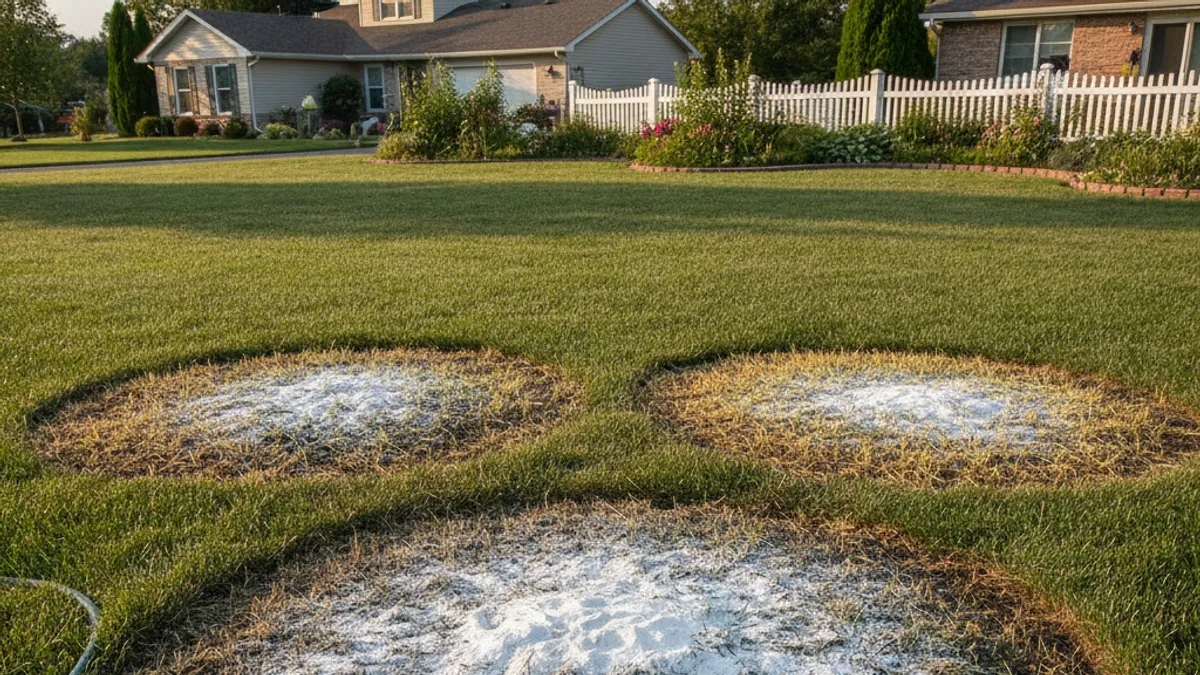
Even with the best intentions, using baking soda on your lawn can backfire if you’re not careful. Some mistakes are minor inconveniences, but others can cause significant damage. Understanding these pitfalls beforehand is your best defense.
Over-Applying: The Biggest Danger
This is the most critical error. Baking soda is sodium bicarbonate; the "sodium" part is what can cause problems. Too much sodium in the soil can burn grass blades, turning them yellow or brown. It can also degrade soil structure, making it harder for water to soak in and for roots to breathe.
This is why precise measurement is crucial. Always follow recommended rates, typically around 1 pound per 100 square feet, and dilute it thoroughly.
Applying to the Wrong Soil Type
Baking soda’s effectiveness and safety depend heavily on your soil’s native composition. If you have naturally alkaline soil, adding baking soda will push the pH even higher. This can lock up essential micronutrients like iron and manganese, leading to grass yellowing (chlorosis). Sandy soils are also more vulnerable to salt damage from sodic treatments.
It's always a good idea to understand your soil type before you start amending it.
Ignoring Soil Test Results
We can't stress this enough: a soil test is non-negotiable. Without knowing your soil's pH, you're essentially guessing. You might be applying baking soda to soil that's already at the correct pH or even too alkaline. This just creates new problems.
University agricultural extension services often offer affordable soil testing services that provide not only pH but also nutrient levels and recommended amendments.
Expecting Miracles for Every Problem
Baking soda is not an all-purpose lawn tonic. It won't magically cure fungal diseases like brown patch or fusarium, nor will it eliminate a severe infestation of grubs or chinch bugs. If your grass is yellowing due to a nitrogen deficiency, baking soda won't provide the nitrogen it needs. It’s designed to address specific issues, primarily soil acidity, and its effects on pests and weeds are secondary and often inconsistent.
Baking Soda vs. Other Lawn Solutions
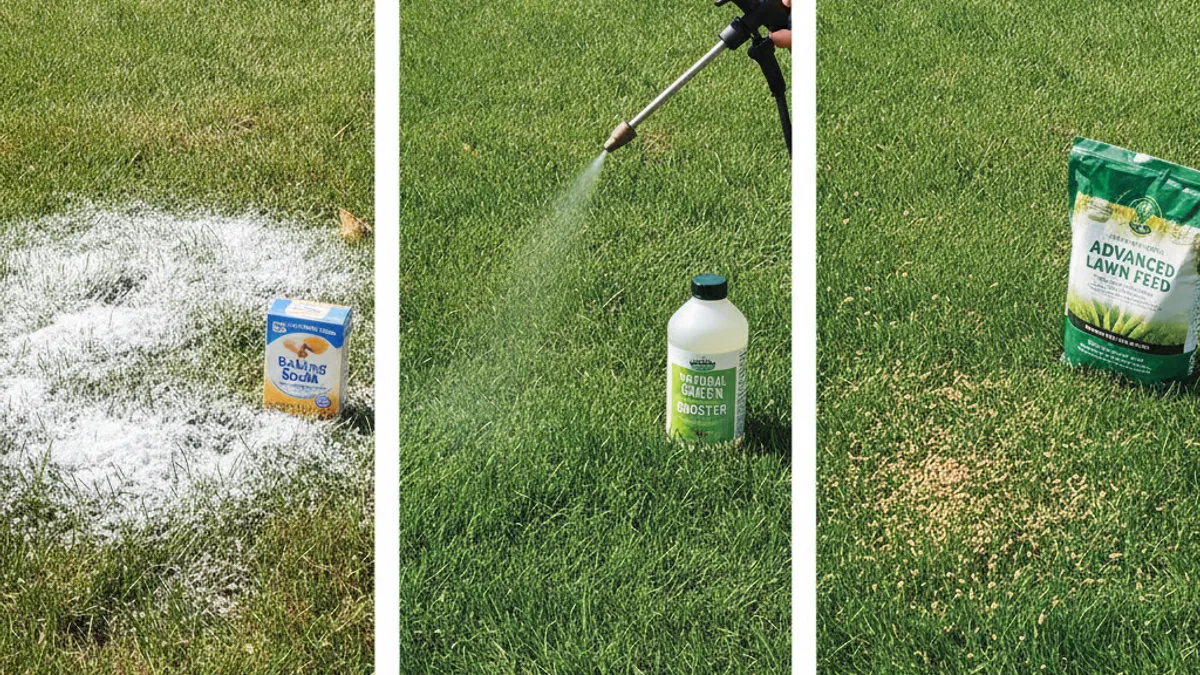
When you're looking to improve your lawn, baking soda is just one option among many. Understanding how it stacks up against other common amendments can help you make the best choice for your specific lawn care goals.
Baking Soda vs. Lime
The most common comparison is with agricultural lime. Both baking soda and lime are alkaline substances used to raise soil pH. However, they work differently and at different speeds. Lime (calcium carbonate or dolomitic lime) is a slower-acting, long-term soil amendment.
It’s generally safer for wider application and provides calcium or magnesium. Baking soda is a faster, more temporary solution. It primarily adds sodium, which can be detrimental if overused. For significant, long-term pH adjustment, lime is almost always the preferred choice.
Baking soda is more of a short-term, targeted pH booster for specific cases.
When Natural Amendments Aren't Enough
Sometimes, your lawn needs more than just pH adjustment. If your soil test reveals deficiencies in nitrogen, phosphorus, or potassium, you'll need to supplement with a balanced fertilizer. For widespread weed problems, targeted herbicides (organic or synthetic) might be necessary. Similarly, serious pest infestations often require specific insecticides or biological controls.
Baking soda has its place, but it’s crucial to diagnose the root cause of your lawn’s issues before reaching for it.
What to Do If Baking Soda Doesn't Fix the Problem
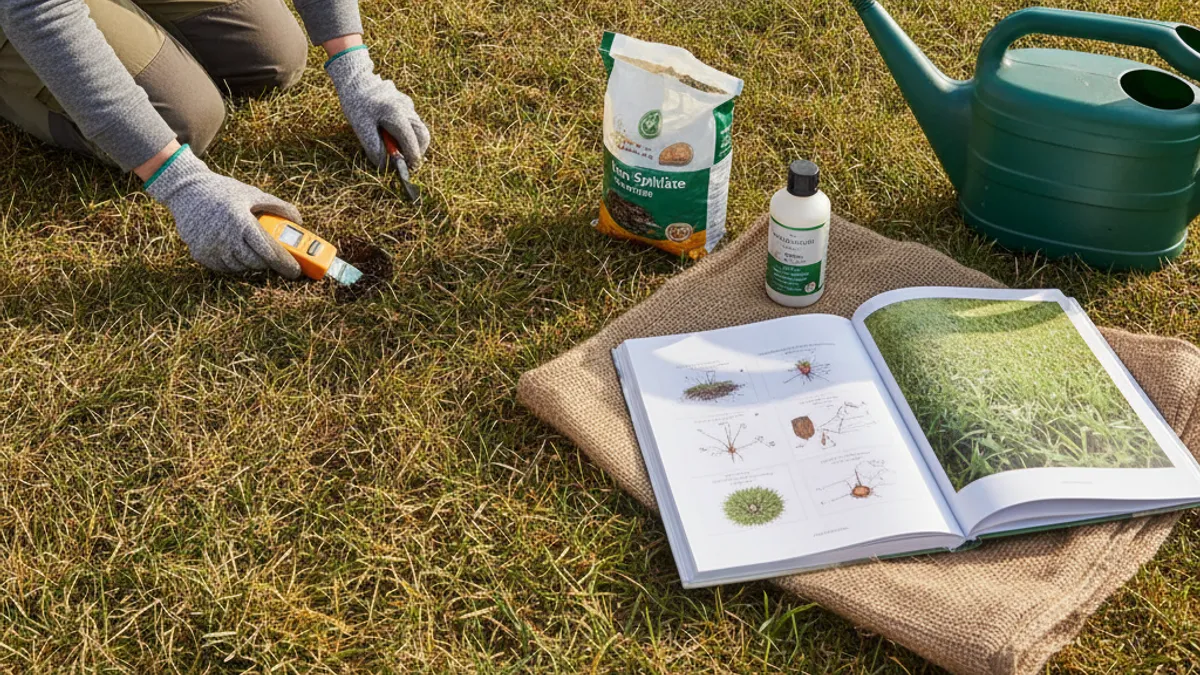
If you've carefully followed the steps and applied baking soda, but your lawn isn't showing improvement, it's time to re-evaluate. The lack of response usually means one of a few things is happening.
First, your initial diagnosis might have been off. Perhaps the soil wasn't as acidic as you suspected, and the baking soda had little to no positive effect. Or, the problem isn't pH-related at all. It could be a nutrient deficiency, compacted soil, poor drainage, or a disease or pest issue that baking soda can't address.
Secondly, the application strategy might have been ineffective. If the solution wasn't properly diluted or applied unevenly, it might have caused localized burning rather than providing broad benefits. It’s also possible that the amount used was too small to make any significant difference, even if the pH was slightly acidic.
In either case, the next step is to go back to basics: perform another soil test, paying close attention to nutrient levels and not just pH. Examine your lawn closely for signs of disease or insect activity. Consider your watering and mowing practices, as these play huge roles in lawn health. If you’re still unsure, consulting with a local horticulturalist or your county extension office can provide personalized advice tailored to your specific growing conditions.
Quick Tips for Using Baking Soda Safely on Your Lawn
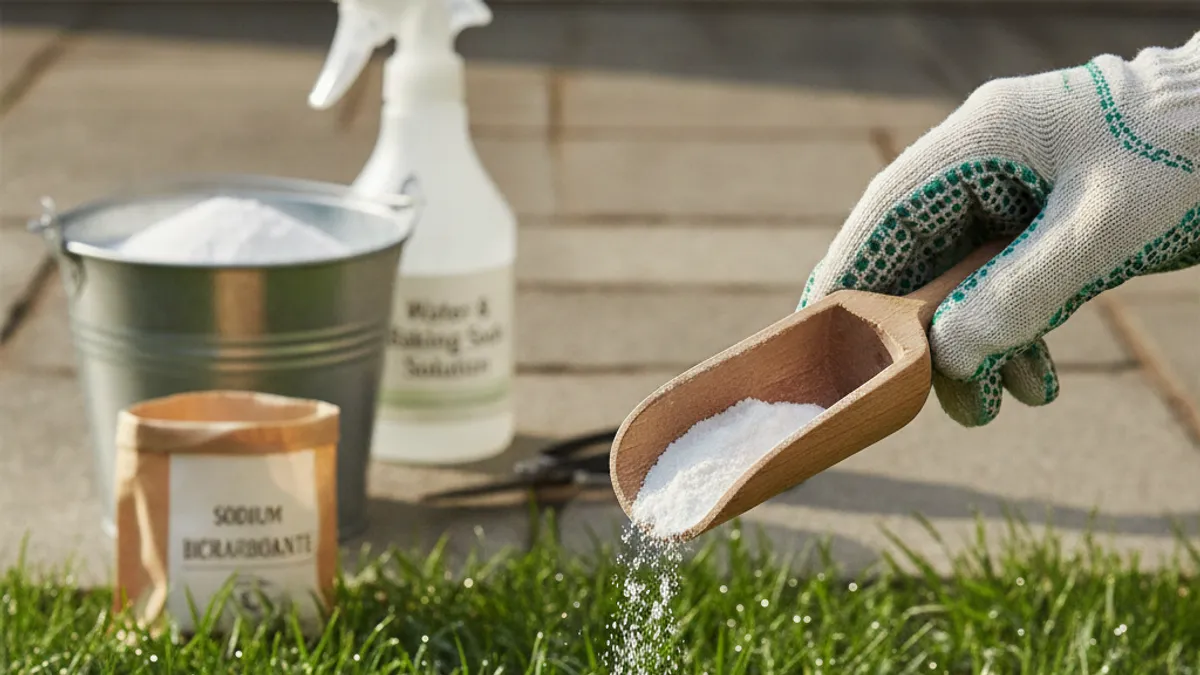
To wrap things up, a few quick reminders can help you use baking soda effectively and avoid common missteps. These are the key takeaways to keep your lawn healthy.
- Always Test First: Never apply baking soda without a soil pH test. This is the golden rule.
- Dilute is Safer: Mix baking soda with plenty of water to ensure even distribution and reduce the risk of burning your grass.
- Measure Carefully: Stick to recommended rates (e.g., 1 lb per 100 sq ft, diluted) to avoid sodium buildup and plant damage.
- Watch for Soil Degradation: Be mindful of sodium's long-term effects on soil structure, especially with frequent use.
- It's Not a Cure-All: Understand that baking soda addresses specific issues, primarily soil acidity. For other problems, seek appropriate treatments.