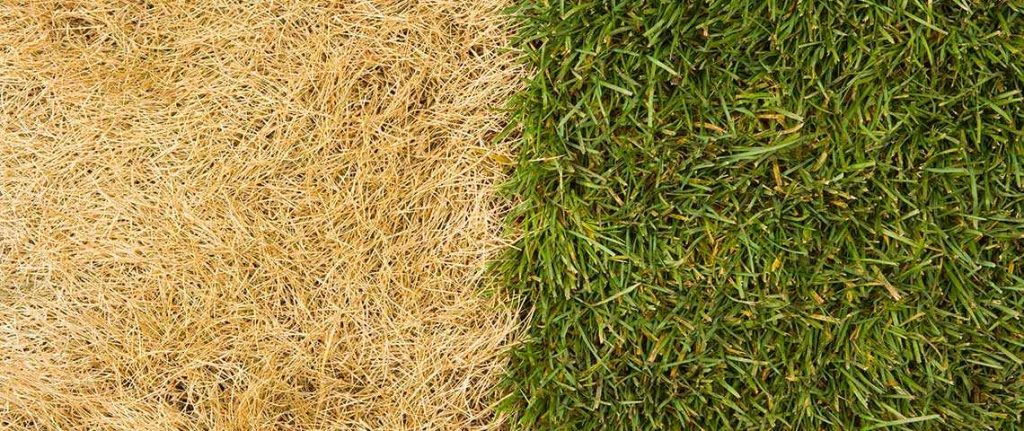
To get your lawn lush and green again after winter dormancy, start by raking away dead grass and debris to allow healthy growth. Aerate the soil, apply a nitrogen-rich fertilizer, and water deeply to encourage new, vibrant grass. With patience and proper care, your lawn will bounce back in no time!
If you want a quick answer: begin by removing debris, aerating your soil, and fertilizing with nitrogen-rich products. Consistent watering and patience are key to revitalizing your lawn after winter. These steps will help stimulate healthy growth and restore your grass’s lush green appearance.
As winter ends, many lawns look dull, patchy, and lifeless. The cold months often leave turf damaged and in need of rejuvenation. Fortunately, restoring your lawn to a beautiful, green state is entirely achievable with the right approach. By understanding some simple steps—like removing debris, aerating the soil, and giving your grass the nutrients it craves—you can help your lawn wake up from its winter slumber and flourish again. A healthy, vibrant lawn not only boosts your home’s curb appeal but also provides a perfect space for outdoor activities. So, don’t let winter’s chill keep your yard in the shadows—get ready to breathe new life into your garden and enjoy a stunning green carpet once more!

How to Green Lawn After Winter Dormancy
Understanding the Dormant Period of Your Lawn
During winter, many grasses enter a period of dormancy to survive cold temperatures. This means the grass may turn brown or yellow and look lifeless. However, underneath, the roots are still alive and ready to come back to life when weather warms up. Knowing this helps you realize that patience and proper care are essential for greening your lawn again.
Assessing Your Lawn’s Condition
Before starting any treatments, examine your lawn carefully. Look for patches that remain brown or yellow and areas where grass seems sparse. Check for signs of disease, pests, or excessive thatch buildup. This assessment guides your plan of action and helps you focus on the most needed steps.
Timing is Everything: When to Start
The best time to begin greening your lawn is when temperatures consistently stay above 50°F (10°C). Typically, early spring is ideal, but this varies based on your location. Wait until the ground warms enough for grass to actively grow, ensuring your efforts are effective.
Cleaning and Preparing Your Lawn
Start by removing debris such as leaves, sticks, and dead grass. Use a rake to clear away excess thatch, which is the layer of dead grass and roots. Removing debris improves air circulation, water penetration, and allows fertilizers and seed to reach the soil easily.
Soil Testing and Calibration
Test your soil’s pH and nutrient levels using a simple home test kit or professional lab. Most lawns thrive in a pH between 6.0 and 7.0. Adjust soil acidity if necessary by adding lime or sulfur. Knowing your soil’s condition helps you choose the right fertilizers and amendments.
Fertilizing Your Lawn
Apply a balanced, slow-release fertilizer to supply essential nutrients. Nitrogen promotes lush, green growth, while phosphorus supports root development. Follow application rates carefully as over-fertilizing can harm the environment and your lawn.
Choosing the Right Fertilizer
Look for fertilizers labeled for spring use with a higher nitrogen content. Organic options like composted manure or fish emulsion are also beneficial, providing nutrients naturally and improving soil health.
Applying Fertilizer Correctly
Spread fertilizer evenly across the lawn using a broadcast or drop spreader. Water the lawn immediately after fertilizing to help nutrients soak into the soil and prevent runoff. Avoid fertilizing if rain is expected soon.
Seeding and Overseeding for a Thicker Lawn
If your lawn has bare patches or is thin, overseeding helps fill gaps and promotes dense turf. Choose grass seed suitable for your region and the amount of sunlight your lawn receives.
Preparing the Soil for Seeding
Loosen the soil in bare areas and remove any remaining debris. Lightly rake to create good seed-to-soil contact. Applying a thin layer of soil or compost over the seeds can help them establish.
Seeding Tips
Spread seed evenly and follow the recommended seeding rate on the packet. Keep the area consistently moist with light watering until seedlings are well-established. Avoid heavy foot traffic during this period.
Watering Your Lawn Effectively
Proper watering is crucial for transitioning from dormancy to active growth. Water deeply and infrequently to encourage strong roots.
Establishing a Watering Schedule
Water your lawn early in the morning for about 30 minutes to 1 hour, ensuring the water penetrates deeply. During dry spells, water 2 to 3 times per week, adjusting based on rainfall and soil moisture.
Avoiding Overwatering
Too much water can lead to shallow roots or disease. Check soil moisture by inserting a screwdriver into the ground; it should go in easily without excess water pooling.
Dealing with Lawn Pests and Diseases
Identify and treat common spring pests like grubs or chinch bugs that may damage new growth. Look for discolored patches, wilting, or uneven patches.
Natural and Chemical Treatments
Use organic pest control methods initially, such as beneficial nematodes or neem oil. If necessary, apply targeted chemical treatments, following instructions carefully to avoid harming beneficial insects.
Maintaining Proper Lawn Care Routine
Consistent mowing, watering, and fertilizing are essential for a healthy, green lawn after winter. Adjust your routine as the grass grows and weather conditions change.
Frequency of Mowing
Mow when grass reaches about 3 inches tall, cutting back to 2 or 2.5 inches. Keep mower blades sharp to avoid damaging grass blades and to promote healthy growth.
Using Lawn Aeration
Aerate your lawn in early spring if the soil feels compacted. This process increases oxygen, water, and nutrient penetration into the soil, encouraging strong root development.
Additional Tips for a Lush Green Lawn
– Avoid heavy foot traffic on newly greened lawns until grass is well-established.
– Use mulch around plants and flower beds to retain soil moisture.
– Regularly monitor for weeds and remove them promptly to prevent competition with grass.
– Consider applying a topdressing with compost to enhance soil fertility and improve grass health.
Related Topics for a Healthy Lawn
- Best Grass Types for Spring Growth
- How to Prevent Lawn Thatch Buildup
- Using Organic Fertilizers Safely
- Tips for Water Conservation in Lawn Care
By following these steps carefully, you will gradually see your lawn turn green and vibrant again. Patience combined with proper care enriches the soil, promotes healthy grass growth, and results in a lush, inviting yard that you will enjoy all season long.
Frequently Asked Questions
What practices can I follow to stimulate grass growth after winter dormancy?
To encourage grass growth, you should start by removing any debris and dead grass from the lawn. Aerate the soil to improve air and water penetration. Apply a balanced fertilizer to supply essential nutrients and help the grass recover. Water the lawn deeply but infrequently to promote healthy root development. Additionally, overseeding sparse areas can help fill in patches and create a lush, even surface.
When is the best time to start fertilizing my lawn after winter?
Begin fertilizing your lawn once the grass shows signs of active growth, usually in early spring. Wait until the soil temperature reaches around 55°F (13°C), ensuring the grass can effectively uptake nutrients. Using a slow-release fertilizer provides a steady supply of nutrients over time, supporting sustained growth and greening. Avoid fertilizing too early, as cold temperatures can hinder nutrient absorption and promote disease.
How should I adjust watering routines as temperatures rise after winter?
As temperatures warm, increase your watering frequency to prevent the grass from drying out, but avoid overwatering. Water deeply at least once a week to encourage strong root systems, especially if the weather is dry and windy. Focus on early morning watering to reduce evaporation and discourage fungal growth. Adjust your watering schedule based on rainfall and soil moisture levels to keep the lawn adequately hydrated without oversaturation.
Are there specific lawn care tools I should use to help my grass recover from winter?
Using a rake or dethatcher helps remove dead thatch and loosens compacted soil, allowing better access for air, water, and nutrients. Aerators create small holes in the soil to promote deeper root growth. A broadcast spreader or hand spreader ensures even application of fertilizers and seed. Additionally, a garden hose with a spray nozzle or sprinkler system helps maintain consistent moisture levels essential for healthy recovery.
What common mistakes should I avoid when caring for my lawn after winter?
Avoid mowing the grass too short early in the season, as it stresses the plants and hampers recovery. Do not apply high-nitrogen fertilizers prematurely, which can encourage weak, tender growth vulnerable to diseases. Steer clear of overwatering, which can lead to root rot and fungal issues. Also, refrain from walking on or fertilizing a wet lawn, as this can compact the soil and damage emerging grass shoots. Proper timing and gentle practices support a healthy, vibrant lawn after winter dormancy.
Final Thoughts
Pour rendre votre pelouse verte après la dormance hivernale, commencez par ratisser et enlever les débris. Ensuite, aérez le sol pour favoriser la pénétration de l’eau et des nutriments. Appliquez une fertilisation adaptée pour encourager la croissance. Enfin, arrosez régulièrement pour maintenir le sol humide mais non détrempé.
En suivant ces étapes, vous pouvez facilement revitaliser votre pelouse après l’hiver. How to green lawn after winter dormancy dépend d’une attention régulière et de soins attentifs. Un peu d’effort garantit une pelouse saine et verte tout au long de la saison.