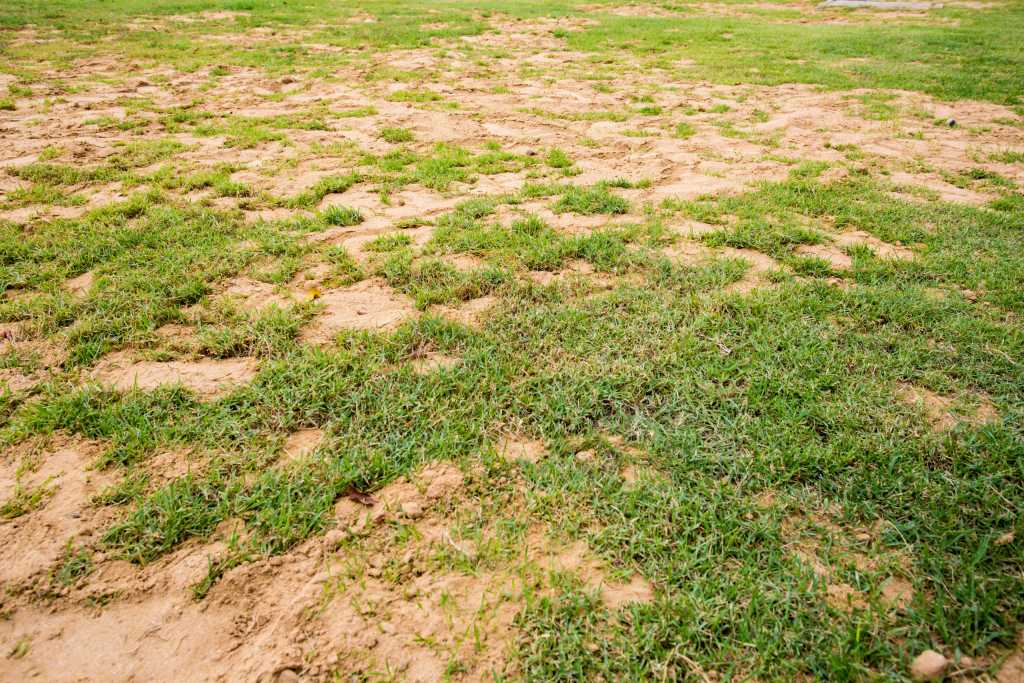
Yes, Bermuda grass can grow in sandy soil, but it requires some special care and soil amendments to thrive. While Bermuda grass is known for its durability and tolerance to various conditions, sandy soil presents challenges like poor water retention and nutrient deficiency. With proper amendments and management, Bermuda grass can establish a lush, healthy lawn even in sandy environments.
In short, Bermuda grass can grow in sand, but it may need extra attention to soil quality and watering. With the right preparation, your sandy yard can be transformed into a vibrant Bermuda lawn that stands up to the heat and foot traffic.
Growing a healthy Bermuda grass lawn in sandy soil is entirely possible, but it’s important to understand the unique needs of this grass in such conditions. Sandy soils drain quickly and don’t retain nutrients well, which can hinder grass growth. To succeed, you’ll need to improve the soil by adding organic matter, fertilizers, and possibly some soil conditioners. Regular watering, proper mowing, and overseeding can further promote a dense, resilient turf. If you’re dreaming of a lush green yard in a sandy area, with patience and some adjustments, Bermuda grass can definitely meet your expectations.

Can Bermuda Grass Grow in Sand?
Understanding Bermuda Grass and Its Growing Conditions
Bermuda grass is a popular choice for lawns in warm climates because it grows quickly and creates a dense, green carpet. It is a warm-season grass that thrives during hot weather and requires plenty of sunlight. To grow well, Bermuda grass prefers well-drained, fertile soil with adequate nutrients and moisture.
This grass is known for its durability and ability to withstand heavy foot traffic. However, its preference for rich soil does not mean it cannot grow in less ideal conditions like sandy soil. It’s important to understand how Bermuda grass interacts with sand to determine if it can be a good choice for your yard or landscape.
Can Bermuda Grass Grow in Sandy Soil?
In many cases, Bermuda grass can grow successfully in sandy soil, but there are some important considerations. Sandy soil drains quickly, which means the grass may not get as much water retention as it would in loamy or clay soils. This can impact the grass’s health unless proper management techniques are applied.
Sand is low in nutrients, and Bermuda grass relies on nutrients to grow thick and lush. Without sufficient nutrients, the grass may become thin, patchy, or struggle to recover from damage. Therefore, growing Bermuda grass in sand requires additional fertilization and soil amendments to create a more favorable environment.
Adapting Bermuda Grass to Grow on Sandy Terrain
To help Bermuda grass grow in sandy soil, homeowners and landscapers can take several steps. Applying organic matter such as compost or peat moss improves soil fertility and water retention. These amendments also help retain nutrients, making them available longer for the grass roots.
Aeration is another useful technique. It creates small holes in the soil, helping air, water, and nutrients penetrate deeper. This process encourages vigorous root growth and enhances the grass’s ability to thrive despite the sandy conditions. Regular watering and fertilization are also essential to support healthy Bermuda grass in sandy soils.
Proper Soil Preparation for Bermuda Grass in Sand
Before planting Bermuda grass in sandy soil, proper preparation is key. Start by testing the soil to determine its pH level and nutrient content. Bermuda grass prefers a pH between 5.8 and 7.0, which is slightly acidic to neutral.
Next, amend the soil with organic matter to improve its structure and nutrient-holding capacity. You can mix compost, aged manure, or peat moss into the top few inches of soil. This preparation will help create a healthier environment for Bermuda grass roots and promote lush growth.
Fertilization Strategies for Bermuda Grass in Sandy Soil
Because sandy soil contains fewer nutrients, Bermuda grass grown in this environment needs regular fertilization. Use a balanced fertilizer that provides nitrogen, phosphorus, and potassium, tailored to Bermuda grass needs.
Apply fertilizer every six to eight weeks during the active growing season. Slow-release fertilizers are often preferred because they provide a steady supply of nutrients over time. Keep in mind that over-fertilizing can harm the grass, so follow recommended application rates carefully.
Watering Tips for Bermuda Grass in Sandy Soil
Sandy soils drain quickly, which means Bermuda grass in such conditions needs more frequent watering. However, overwatering can lead to water runoff and nutrient leaching, so balance is essential.
Water deeply and infrequently to encourage deep root growth. Typically, Bermuda grass requires about one to one and a half inches of water per week, including rainfall. Using a sprinkler system with a timer helps ensure consistent watering and prevents dry patches.
Maintenance and Care for Bermuda Grass in Sandy Conditions
Regular mowing at a height of about one to one and a half inches encourages healthy growth and prevents thatch buildup. Reseeding or overseeding may be necessary if patches of thin or damaged grass appear.
Apply a pre-emergent herbicide to control weeds that might compete with Bermuda grass. Aeration and dethatching help maintain soil aeration and reduce thatch buildup, which is especially important in sandy soil to keep the grass healthy.
Challenges and Solutions for Growing Bermuda Grass in Sand
Some common challenges include poor water retention, nutrient deficiency, and soil erosion. To overcome these issues, focus on soil amendments, regular fertilization, and proper watering practices.
Using mulch around Bermuda grass can help retain moisture and reduce erosion. Additionally, establishing a regular fertilization schedule supplies necessary nutrients, supporting vigorous growth even in less-than-ideal sandy conditions.
Related Topics
- Best soil amendments for Bermuda grass
- How to improve sandy soil for lawn care
- Choosing the right grass for sandy terrain
- Water management tips for sandy soils
- Best fertilizers for Bermuda grass in low-nutrient soils
Summary
Growing Bermuda grass in sandy soil is possible with proper preparation and ongoing maintenance. Enhancing the soil with organic matter, regular fertilization, and adequate watering creates a more supportive environment for the grass. Although sandy conditions present challenges, they can be managed effectively to produce a healthy, lush Bermuda lawn.
By focusing on soil improvement and consistent care, you can enjoy the benefits of Bermuda grass even on sandy terrain. Remember that patience and regular attention are key to overcoming the inherent limitations of sandy soil and achieving a beautiful, resilient lawn.
When should you use sand vs topsoil on Bermuda grass
Frequently Asked Questions
Can Bermuda grass thrive in sandy soil conditions?
Bermuda grass can grow in sandy soils, but it typically requires some amendments to improve soil moisture retention and nutrients. Sandy soil drains quickly, which can make it challenging for Bermuda grass to establish strong roots. Adding organic matter or compost can help retain moisture and provide essential nutrients, increasing the chances of successful growth.
What soil preparation steps are necessary for planting Bermuda grass in sand?
Before planting Bermuda grass in sandy soil, it is important to improve the soil’s fertility and moisture retention. Incorporate organic materials such as compost or peat moss to enrich the soil. Ensuring proper grading and aeration will help water and nutrients penetrate deeper. Regular watering, especially during initial establishment, helps Bermuda grass roots develop in sandy conditions.
Are there specific Bermuda grass varieties better suited for sandy terrains?
Some Bermuda grass cultivars adapt better to sandy soils due to their vigorous root systems and drought tolerance. Hybrid varieties like TifGrand or Tifway are known to establish well in sandy environments, offering better resilience and growth performance. Selecting the right variety and ensuring proper soil preparation will improve the likelihood of successful growth.
What watering practices are recommended for Bermuda grass in sandy soils?
Because sandy soils drain water quickly, it is crucial to maintain consistent moisture levels. Water deeply and infrequently to encourage deep root growth. During dry periods, monitor soil moisture and adjust watering schedules to prevent the grass from drying out. Avoid overwatering, which can lead to runoff and nutrient loss.
Can adding nutrients enhance Bermuda grass growth in sandy soil?
Yes, applying fertilizers that contain nitrogen, phosphorus, and potassium supports healthy Bermuda grass growth in sandy soils. Since sandy soils have low nutrient retention, regular fertilization helps replenish essential nutrients. Conduct soil tests to determine specific deficiencies and follow recommended fertilizer application rates for optimal results.
Final Thoughts
Bermuda grass can grow in sand with proper care and nutrient management. Its adaptability allows it to thrive in various soil conditions, including sandy terrains.
While sandy soil drains quickly, adding organic matter enhances its fertility, supporting healthy Bermuda grass growth.
In conclusion, can Bermuda grass grow in sand? Yes, it can, provided you improve soil conditions and maintain regular watering.