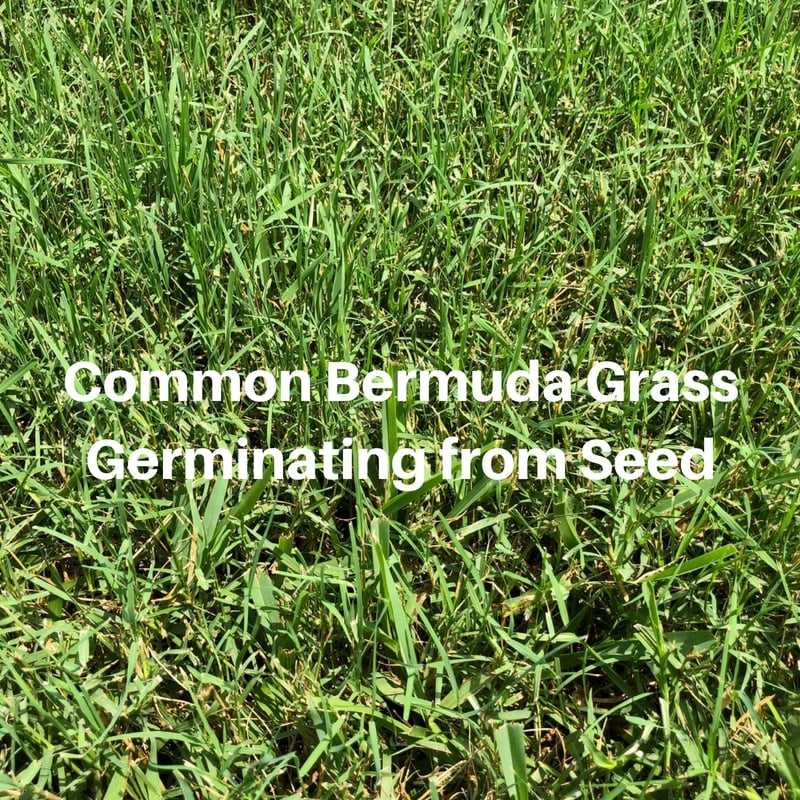
Bermuda grass typically takes about 7 to 21 days to germinate, depending on environmental conditions. If you’re eager to see green cover quickly, understanding the factors that influence its growth can help you plan better. Keep in mind that proper soil preparation, watering, and temperature play crucial roles in speeding up germination.
In just a few weeks, you can transform your lawn with Bermuda grass, provided you give it the right start. Once planted, maintaining consistent moisture and warmth encourages faster sprouting. So, if you’re planting Bermuda grass, be patient but proactive—your lush lawn is just around the corner!
Getting Bermuda grass to sprout is a straightforward process, but it requires attention to detail. Typically, you’ll see the first signs of growth within a week or two after planting if conditions are ideal. Warm soil temperatures, between 65°F and 75°F, are perfect for encouraging quick germination. Adequate watering—keeping the soil moist but not waterlogged—is essential for healthy seed development. Avoid planting during cold months or in shady areas, as these can delay growth. With the right care, you’ll have a vibrant, green Bermuda lawn in no time!

How Long Does It Take Bermuda Grass to Germinate?
Understanding the time it takes for Bermuda grass to germinate is crucial for anyone looking to establish a lush, green lawn. The germination process can vary based on factors like soil temperature, moisture levels, and grass seed quality. Knowing what to expect helps you plan and ensures successful growth.
Factors That Affect Bermuda Grass Germination Time
Soil Temperature
Soil temperature plays a significant role in Bermuda grass germination. The ideal temperature range is between 65°F to 85°F (18°C to 29°C). Within this range, seeds tend to sprout faster, usually in about one to two weeks.
If the soil is cooler than 65°F, germination may be delayed, taking up to three weeks or longer. Conversely, very hot soils above 85°F can hinder seed sprouting and may require special care.
Moisture Levels
Consistent moisture is essential for Bermuda grass seeds to sprout successfully. Seeds need the soil to be kept damp but not waterlogged during the germination period.
If the soil dries out, germination can slow down or stop altogether. Regular watering helps maintain optimal moisture, supporting quicker sprouting.
Seed Quality and Preparation
High-quality seeds with good germination rates will sprout faster than older or low-quality seeds. Pre-soaking seeds for a few hours before planting can also promote quicker germination.
Proper soil preparation, such as loosening the soil and removing weeds, helps seeds establish more easily and speeds up germination.
Typical Germination Timeline for Bermuda Grass
Standard Time Frame
Generally, Bermuda grass seeds take about one to two weeks to germinate under ideal conditions. This time can extend to three weeks if environmental factors are less than perfect.
In optimal scenarios, you will see tiny green sprouts emerging from the soil within this period, indicating successful germination.
Factors That Can Accelerate or Delay Germination
- Warm soil temperatures help speed up germination, leading to sprouting in less than a week.
- Consistent watering prevents seeds from drying out and promotes timely sprouting.
- Soil fertility rich in nutrients supports healthy root development, encouraging faster growth.
- Proper seed spacing ensures enough room for roots to expand, avoiding overcrowding and delays.
How to Promote Faster Bermuda Grass Germination
Preparing the Soil
Start by tilling the soil to loosen it, which allows better seed-to-soil contact. Remove any weeds or debris that could compete with new seedlings.
Add compost or fertilizer if necessary, to enrich the soil and provide nutrients essential for germination and growth.
Proper Seeding Techniques
Scatter the seeds evenly across the prepared soil, then lightly rake or press them into the ground. This helps improve seed-to-soil contact and increases germination chances.
Cover the seeds with a thin layer of soil or mulch to retain moisture and protect them from birds or wind.
Maintaining Optimal Conditions
Water the area gently but thoroughly immediately after seeding. Keep the soil consistently moist during the germination period.
Monitor soil temperature and adjust watering if needed, especially during hot or cold spells.
Common Challenges That Can Delay Germination
Inadequate Watering
Dry soils will prevent seeds from sprouting or may cause them to die. Regular, gentle watering keeps the soil moist and promotes faster germination.
Incorrect Soil Temperature
Planting outside the optimal temperature range can significantly slow down or prevent sprouting. Use a soil thermometer to check if conditions are right before planting.
Poor Seed Quality
Old or low-quality seeds may have low germination rates. Always opt for fresh, certified Bermuda grass seeds for the best results.
Overcrowding of Seeds
If seeds are planted too densely, they compete for nutrients and water, slowing down germination. Follow recommended seeding rates for your lawn size.
Additional Tips for Successful Bermuda Grass Germination
Timing Your Planting
The best time to plant Bermuda grass seeds is during late spring or early summer when soil temperatures are warm enough for quick sprouting.
Avoid planting during cold or overly wet periods to prevent delays or seed rot.
Using Starter Fertilizer
Applying a starter fertilizer rich in phosphorus helps develop strong roots, aiding faster establishment of Bermuda grass.
Follow manufacturer instructions carefully to avoid over-fertilizing, which can damage new seedlings.
Monitoring and Care During Germination
- Check soil moisture daily, especially during hot weather.
- Ensure the area receives adequate sunlight to promote healthy growth.
- Avoid heavy foot traffic on newly seeded areas to prevent soil compaction.
In summary, Bermuda grass typically germinates within one to two weeks under ideal conditions, with slight variations depending on environmental factors. Proper soil preparation, consistent watering, and planting at the right time are key components to ensure quick and successful germination. By understanding these factors and following best practices, you can establish a vibrant Bermuda grass lawn that thrives for years to come.
Growing Grass : How Long Does Bermuda Grass Take to Grow?
Frequently Asked Questions
How does soil preparation influence the germination timeline for Bermuda grass?
Preparing the soil properly creates optimal conditions for Bermuda grass seeds to sprout. Loosen the soil to improve aeration and drainage, and remove weeds or debris that could hinder seed growth. Incorporating compost or fertilizer can provide essential nutrients, encouraging quicker germination. Well-prepared soil helps seeds establish roots more rapidly, reducing the time it takes for the grass to appear above the surface.
What environmental conditions are necessary for faster Bermuda grass germination?
Bermuda grass seeds germinate best in warm temperatures ranging from 65°F to 85°F (18°C to 29°C). Consistent moisture levels are crucial; keeping the soil evenly moist supports quicker sprouting. Adequate sunlight accelerates growth, so planting during the late spring or early summer when days are longer can improve germination speed. Avoiding extreme weather conditions helps ensure timely seed emergence.
How does watering frequency impact the germination process of Bermuda grass?
Consistent, light watering keeps the soil moist without over-saturating it, creating ideal conditions for Bermuda grass seeds to germinate. Frequent watering during the initial stages prevents the soil from drying out, which can delay sprouting. Once the seeds begin to sprout and establish roots, gradually reducing watering frequency helps develop a strong lawn while maintaining healthy growth.
Can the seed quality affect how quickly Bermuda grass germinates?
Yes, high-quality Bermuda grass seeds with a high germination rate will sprout faster than lower-quality seeds. Premium seeds are usually fresher and free from disease or contaminants, ensuring rapid and uniform germination. Using quality seeds increases the likelihood of a lush, even lawn developing within the expected timeframe.
How does planting depth influence the speed of Bermuda grass germination?
Planting Bermuda grass seeds at the correct depth, generally about 1/4 to 1/2 inch deep, ensures they have enough soil coverage to retain moisture and protect them from environmental stress. Seeds planted too deep may struggle to emerge, delaying germination. Shallow planting allows the seeds to sprout more quickly and establishes strong initial growth.
Final Thoughts
The time it takes for Bermuda grass to germinate varies based on conditions, typically around 7 to 21 days. Consistent moisture and warm temperatures accelerate this process. Proper preparation ensures quicker establishment.
In conclusion, how long does it take Bermuda grass to germinate? Generally, it takes about 7 to 21 days for Bermuda grass to sprout under optimal conditions. Patience and proper care lead to healthy, green lawns.