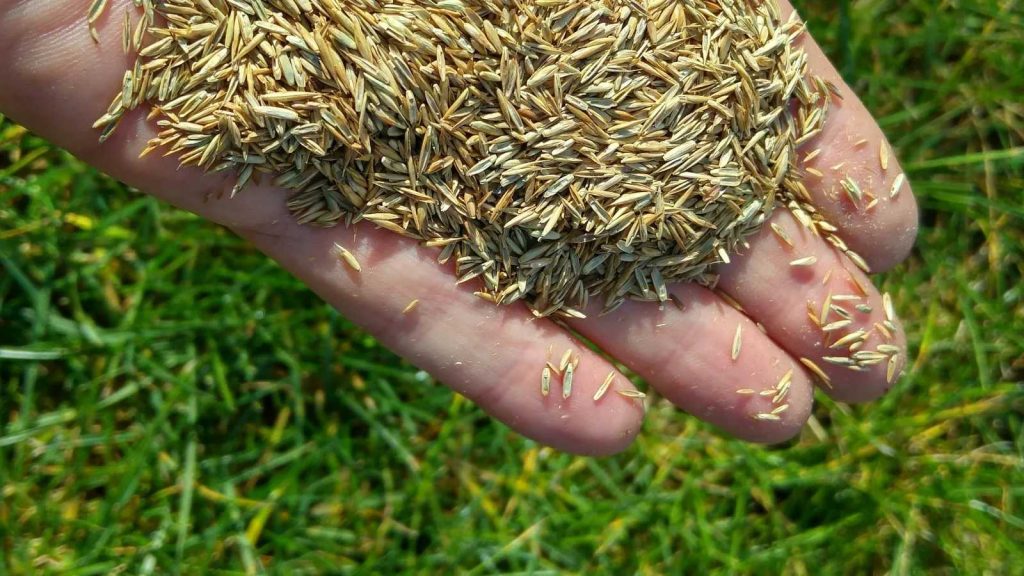
Bermuda grass thrives best with plenty of sunlight and can often turn lush and green in just a few hours of direct sun each day. To keep your lawn vibrant and healthy, providing around six to eight hours of direct sunlight is ideal. This grass loves the warmth and light, making it perfect for sunny locations. If it doesn’t receive enough sunlight, it might become thin, patchy, or prone to weeds, so understanding its sunlight needs is key to a beautiful yard.
Bermuda grass requires at least six hours of direct sunlight daily to grow optimally. Less than this can lead to weak growth and poor turf quality. Ensuring your lawn gets enough sun helps it develop a dense and resilient cover, perfect for active outdoor spaces.
If you’re wondering how much sunlight Bermuda grass needs, the answer is quite straightforward: it flourishes with six to eight hours of direct sunlight each day. This grass variety loves the sun, and providing it with ample light ensures a thick, healthy, and vibrant lawn. If you’re considering planting Bermuda or trying to maintain an existing one, positioning your lawn in a sunny spot can make all the difference. Remember, the more sunlight it receives, the more resilient and lush your grass will become—making your yard the envy of the neighborhood!

How Much Sunlight Does Bermuda Grass Need
Bermuda grass is one of the most popular turf grasses used in lawns, sports fields, and golf courses. To keep it looking green and healthy, it’s essential to understand its sunlight needs. Proper sunlight exposure influences the grass’s growth, color, and overall vitality. Knowing how much sunlight Bermuda grass requires helps homeowners and landscapers create the perfect environment for it to thrive.
Understanding Bermuda Grass and Sunlight Requirements
Bermuda grass is a warm-season grass, which means it prefers hot weather and plenty of sunlight. It is very adaptable but still needs specific light conditions to reach its full potential. Without enough sunlight, Bermuda grass can become thin and patchy, making it more susceptible to weeds and disease.
Optimal Sunlight Exposure for Bermuda Grass
For the best growth, Bermuda grass generally requires at least 6 hours of direct sunlight each day. However, more sunlight often leads to denser, greener lawns. Typically, 8 to 10 hours of sunshine daily is ideal during the peak growing season.
Impact of Sunlight on Growth and Color
Sunlight helps Bermuda grass produce food through photosynthesis. When it receives enough sun, it maintains a vibrant green color and strong root system. Lack of sunlight can result in a dull, brownish appearance and weaker turf that struggles to compete with weeds.
Effects of Insufficient Sunlight on Bermuda Grass
If Bermuda grass does not get enough sunlight, several issues can arise. Thatch buildup, increased vulnerability to pests, and poor drought tolerance are common problems associated with low light conditions. Shade can cause patches of thin or dead grass, making the lawn uneven.
Shaded Areas and Bermuda Grass Growth
Bermuda grass is not well-suited for heavily shaded areas. If your lawn has lots of shade from trees or buildings, Bermuda may struggle to grow. In such cases, consider alternative grasses better adapted to low-light environments.
Signs Bermuda Grass Isn’t Getting Enough Sun
- Yellow or brown patches appear in the lawn
- The grass turns thin and patchy
- Growth slows down significantly
- Weeds begin to invade shaded areas
How to Maximize Sunlight for Bermuda Grass
Pruning and Landscaping Tips
Regularly pruning trees and shrubs can increase sunlight exposure on your Bermuda grass lawn. Removing lower branches and clearing obstructive growth allows more light to reach the turf.
Designing with Sunlight in Mind
Position new lawns or reseeding efforts in areas that receive full sun. Avoid planting Bermuda under dense tree canopies or near structures that cast long shadows. Strategic landscape planning ensures the grass gets sufficient sunlight throughout the day.
Effects of Different Sunlight Durations Throughout the Year
The amount of sunlight available varies with the seasons, affecting Bermuda grass growth. During summer months, days are longer and provide more sunlight, promoting vigorous growth. Conversely, shorter winter days mean less sun, which can slow down the grass’s activity.
Seasonal Sunlight Variations
| Season | Average Sunlight Hours per Day | Effect on Bermuda Grass |
|---|---|---|
| Spring | 8-10 hours | Optimal growth period, vibrant color |
| Summer | 10+ hours | Peak growth, lush and dense turf |
| Fall | 6-8 hours | Gradual slowdown, preparing for dormancy |
| Winter | Less than 6 hours | Growth slows significantly, dormancy begins |
Choosing the Right Location for Bermuda Grass
Sunlight and Soil Conditions
To ensure Bermuda grass gets enough sun, select a planting site that faces south or southwest. These orientations typically receive the most direct sunlight throughout the day. Good soil drainage combined with ample sun promotes healthy roots and lush growth.
Assessing Your Yard’s Sunlight Levels
Use a simple method to evaluate sunlight: observe your yard throughout the day or use a sunlight calculator app. This will help identify sunny spots where Bermuda grass will flourish.
Sunlight Considerations for New Bermuda Grass Plantings
When establishing new Bermuda lawns, it’s crucial to select areas with maximum sun exposure. Adequate sunlight encourages roots to develop quickly and helps the grass establish a strong foundation.
Seeding vs. Sod in Sunny Locations
Both seed and sod perform best with plenty of sunlight. However, sod can establish faster in optimal light, giving you a quicker, lush lawn. Ensure the area has unobstructed sun during prime daytime hours after planting.
Maintaining Sunlight Access During Growth Season
Regular Lawn Maintenance
Keep the lawn free from overgrown plants or structures that could cast shadows. Mowing tall grass and trimming overhanging branches ensure sunlight reaches the turf evenly.
Addressing Sunlight Blockages
If your yard has areas with insufficient light, consider removing or thinning trees. Installing reflective surfaces or repositioning garden features can help bounce sunlight into shaded zones.
In Summary
For Bermuda grass to thrive, it needs consistent exposure to at least 6 to 8 hours of direct sunlight each day. Ensuring your lawn receives ample sunlight promotes vibrant color, dense growth, and resilience. Adjusting landscape features and mindful site selection play vital roles in maximizing sunlight for your Bermuda turf. By understanding and providing the right amount of sunlight, you give your Bermuda grass the best chance to stay healthy and beautiful year-round.
How Much Sun Does Bermuda Grass REALLY Need?
Frequently Asked Questions
How many hours of direct sunlight does Bermuda grass require each day?
Bermuda grass thrives with at least 6 to 8 hours of direct sunlight daily. This amount of sunlight helps the grass develop strong roots and stay healthy. Insufficient sunlight can lead to thinning patches and less vigorous growth, so choosing a sunny location is essential for optimal lawn health.
Can Bermuda grass tolerate partial shade, and if so, to what extent?
While Bermuda grass prefers full sun, it can tolerate partial shade, especially if it receives at least 4 to 6 hours of sunlight each day. However, prolonged or dense shade may cause the grass to become sparse and less vigorous. To keep Bermuda grass healthy, ensure it gets as much sunlight as possible during the day.
What happens if Bermuda grass receives insufficient sunlight?
If Bermuda grass does not receive enough sunlight, it may struggle to grow densely and develop a vibrant green color. Shady areas can cause the grass to thin out, become patchy, and be more susceptible to weeds and diseases. To maintain a lush, healthy lawn, provide ample sunlight exposure for the grass.
Final Thoughts
Bermuda grass thrives best with ample sunlight. It typically requires between 6 to 8 hours of direct sunlight daily to stay healthy and lush.
Ensuring your lawn receives enough sunlight encourages dense growth and vibrant color. Insufficient sunlight can lead to patchy or thin areas that weaken the grass.
In summary, how much sunlight does bermuda grass need to flourish? It needs at least 6 hours of direct sunlight each day for optimal growth. Providing this sunlight will keep your Bermuda grass vibrant and resilient.