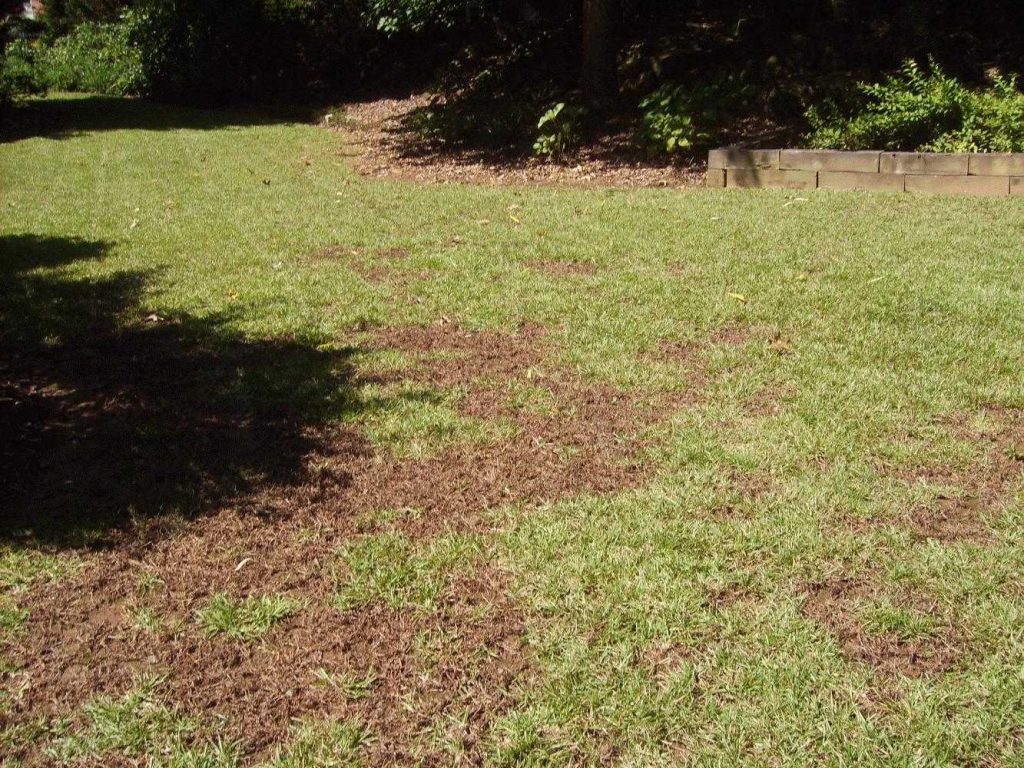
Crabgrass takes a surprising turn when winter arrives. Many wonder if it will survive the cold or disappear altogether. The good news is that crabgrass typically dies back during the winter months and goes dormant until spring. However, it can sometimes produce seeds that linger and sprout when conditions warm up again, making it a persistent problem for lawns.
In short, crabgrass usually dies off in winter but can survive through seed dormancy, ready to re-emerge once temperatures rise. Knowing its winter behavior helps homeowners plan their lawn care effectively. Understanding what happens to crabgrass during colder months allows you to prepare for its comeback in the spring and manage it better.
When winter blankets your yard in snow, you might wonder what this means for crabgrass. As the temperature drops, crabgrass, being a warm-season grass, starts to die back and become dormant. It won’t fight the cold; instead, it takes a backseat until the weather warms again. This seasonal dieback is natural, but it’s important to understand that the seeds it drops can stay dormant all winter, waiting for the right conditions to sprout when spring arrives. Being aware of these cycles can help you maintain a healthier, crabgrass-free lawn year after year.

What Happens to Crabgrass in the Winter
Understanding Crabgrass Life Cycle
Crabgrass is a resilient warm-season weed that grows during the hot months of summer. It begins as tiny seeds that germinate when the soil temperature reaches about 55°F (13°C). After sprouting, crabgrass quickly establishes itself and spreads rapidly across lawns and gardens. As the seasons change, its behavior during winter varies based on climate and maintenance practices.
How Crabgrass Survives Cold Temperatures
In cooler regions, crabgrass generally goes dormant in the winter. Its roots and underground stems, called rhizomes, enter a state of rest. This dormancy helps the plant survive freezing temperatures without damage. Because crabgrass is a warm-season grass, it does not actively grow during the winter months in most areas.
Cold Hardiness of Crabgrass
Crabgrass is less tolerant to frost compared to cool-season grasses. Temperatures below 32°F (0°C) can cause the plant to die back or become dormant. However, in milder winter zones, crabgrass may show some signs of life or a delayed dormancy.
Crabgrass Dormancy: What It Means
Dormancy is a period when the plant’s growth temporarily halts. During this time, the plant conserves energy and protects its vital parts underground. Crabgrass’s seeds usually remain dormant as well, waiting for favorable conditions in spring to germinate again.
Signs of Dormancy in Crabgrass
You might notice crabgrass turning brown or straw-colored. The leaves and stems may appear dried out but the roots stay alive underground. If the winter is mild, you may see patches of green, indicating some activity.
Effects of Winter Weather on Crabgrass
The severity of winter weather influences crabgrass survival. Harsh winters with heavy frost and snow can significantly reduce crabgrass populations. Conversely, mild winters may allow some plants to survive, especially in warmer zones.
Impact of Snow Cover
Snow acts as an insulator, protecting the soil and roots from extreme cold. This can help crabgrass seeds and roots stay alive during winter. However, prolonged snow cover combined with freezing temperatures may eventually weaken or kill some plants.
Freezing and Thawing Cycles
Repeated cycles of freezing and thawing can damage crabgrass roots. This stress may prevent the plant from regrowing in the spring. It can also increase the chances of seed dormancy or death.
Crabgrass in Mild Winter Climates
In areas with warm winters, crabgrass may not fully go dormant. Some plants might continue growing slowly or remain green throughout the season. This can make weed control more challenging because the weed stays active longer than in colder zones.
Winter Growth and Weed Control
Persistent growth in mild climates can lead to earlier seed production. Applying pre-emergent herbicides in late winter may prevent crabgrass from sprouting in spring. Regular mowing and proper lawn care can also weaken its resilience.
Strategies to Manage Crabgrass During Winter
While crabgrass naturally goes dormant in cold weather, there are steps homeowners can take to limit its spread. Proper lawn maintenance combined with targeted weed control methods helps keep crabgrass at bay.
Recommending Pre-emergent Herbicides
Applying pre-emergent weed preventers in late winter or early spring creates a barrier that stops crabgrass seeds from germinating. It’s vital to time these applications correctly for maximum effectiveness.
Maintaining Healthy Lawns
A dense, healthy lawn resists weed invasion better. Regular aeration, fertilization, and watering strengthen turfgrass and make it harder for crabgrass to establish itself.
Manual Removal and Cleanup
Removing crabgrass before it sets seed helps reduce its population. Clearing dead plant material and weeds from the lawn can prevent new growth when temperatures warm.
What Happens to Crabgrass Seeds in Winter
Crabgrass seeds are quite hardy and can survive cold temperatures. If not disturbed, they remain dormant beneath the soil until spring warmth signals germination. Proper identification and removal of seed heads in fall can help reduce future infestations.
Seed Dormancy and Viability
Crabgrass seeds can stay dormant for months, waiting for the right temperature and soil moisture. Seed viability remains high in most cases, which means new plants can emerge early in spring if conditions are suitable.
Controlling Seed Spread
Preventing seed dispersal in fall and winter is crucial. Removing seed heads from mature plants reduces the chance of spreading weed seeds into neighboring areas.
In most climates, crabgrass becomes dormant during winter, surviving underground through roots and seeds. The plant’s sensitivity to cold makes it less active and more vulnerable to winter weather. With proper seasonal lawn care and weed management, homeowners can control crabgrass’s presence and reduce its spread come spring. Understanding its behavior during winter helps in planning effective control strategies that keep lawns healthy and free of this persistent weed.
How to Control Crabgrass in Winter with a Pre Emergent Herbicide
Frequently Asked Questions
Does crabgrass die back completely during winter?
Crabgrass generally dies back when temperatures drop significantly, especially during cold winter months. The warm-season grass enters dormancy, causing it to turn brown and appear dead. However, some underground portions, like the roots and seed bank, often survive the winter, allowing the grass to regrow in the spring.
How do cold temperatures affect crabgrass survival?
Cold temperatures slow down the growth of crabgrass and can kill off the upper parts of the plant. Prolonged exposure to freezing weather damages the plant tissues, leading to dieback. Despite this, the seed bank remains viable in the soil, waiting for favorable conditions to sprout again.
Can crabgrass regrow after winter?
Yes, crabgrass can regrow after winter. Once the soil warms up in the spring, the seeds that survived the cold begin to germinate. Additionally, underground roots and hummocks can send out new shoots, allowing the plant to re-establish itself even after winter dieback.
What methods help control crabgrass in winter for the following season?
Applying pre-emergent herbicides in late winter or early spring can prevent crabgrass seeds from sprouting. Maintaining a healthy lawn through proper fertilization and mowing also helps reduce crabgrass invasions. Removing debris and controlling soil temperature fluctuations can further minimize seed germination and regrowth.
Does snow cover impact crabgrass dormancy?
Snow acts as an insulating layer, protecting crabgrass roots from extreme cold. This insulation can help some plants survive winter conditions better. However, if snow melts and refreezes repeatedly, it may stress the plants and affect their overall health when they start to regrow in spring.
Final Thoughts
Crabgrass enters dormancy during the winter months, slowing its growth significantly. The grass fibers die back, yet the roots remain alive beneath the soil.
Cold temperatures help suppress its growth, preventing it from spreading. When spring approaches, crabgrass quickly reemerges as the weather warms.
What happens to crabgrass in the winter depends on your climate, but generally, it survives through dormancy. This resilience allows it to come back strong each year.