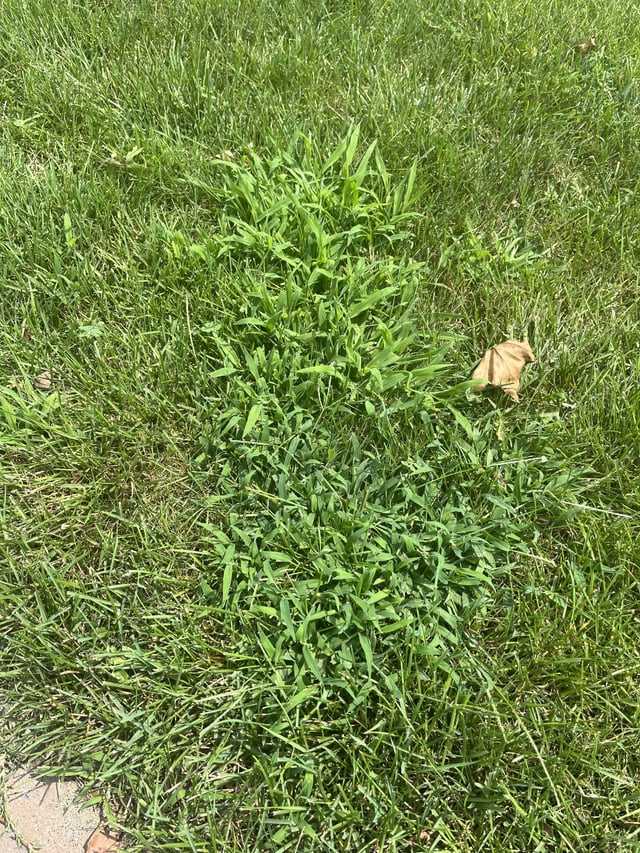
When crabgrass begins to spread wildly across your lawn, acting quickly is key to regaining control. The first step is to apply a pre-emergent herbicide in early spring to prevent new crabgrass seeds from germinating. Follow up with a post-emergent herbicide tailored for crabgrass and consider overseeding to encourage healthy grass growth that can outcompete the weeds. Regular mowing, watering, and fertilizing also help keep your lawn dense and resilient.
Crabgrass takeover can seem overwhelming, but with prompt action and proper lawn care, you can suppress it and restore your yard’s beauty. The best approach involves a combination of preventive measures and targeted weed control, ensuring your lawn remains lush and crabgrass-free.
Crabgrass takeover can be a frustrating sight, but don’t despair. Acting early, using the right herbicides, and maintaining a healthy lawn are your best strategies. Preventative treatments before the weed takes hold, combined with spot treatments for existing infestations, will help you reclaim your yard. Remember, patience and consistent care are key to winning the battle against crabgrass.

What to Do When Crabgrass Takes Over
Understanding Crabgrass and Why It Becomes a Problem
Crabgrass is a fast-growing weed that often appears in lawns during warm months. It spreads quickly, covering large areas of your yard if not controlled early. Its bright green color and coarse texture make it stand out against healthy grass, making your yard look uneven and unkempt. Recognizing how crabgrass invades helps us know when and how to act.
Identifying Crabgrass in Your Lawn
Crabgrass has distinctive characteristics that make it easy to spot. It grows in sprawling patches with wide leaves that have a coarse texture. The plants tend to have a clumping growth pattern and produce seed heads that resemble small umbrellas. Early detection is key to stopping its spread before it takes over your entire yard.
Why Crabgrass Thrives
Crabgrass thrives in areas with compacted soil, poor lawn health, and inadequate watering. It prefers full sunlight and warm temperatures, often appearing in late spring and summer. If your lawn has bare patches or thin grass, crabgrass will quickly colonize these spots, making it more important to maintain a healthy lawn.
Prevention Strategies to Stop Crabgrass Before It Takes Over
Preventing crabgrass begins with proper lawn care. Start by firmly establishing a dense, healthy grass cover through appropriate watering, fertilizing, and mowing. Use high-quality seeds suitable for your region to create a thick lawn that crowds out crabgrass. A well-maintained lawn is the first line of defense.
Applying Pre-Emergent Herbicides
Pre-emergent herbicides are essential tools in crabgrass prevention. They work by stopping crabgrass seeds from germinating before they sprout. Apply pre-emergents early in the spring, ideally when soil temperatures reach around 55°F (13°C). Follow manufacturer instructions carefully to prevent damage to desirable grass.
Timing Is Everything
Timing your herbicide application is crucial for effective prevention. For most regions, early spring before crabgrass emerges is ideal. Monitoring soil temperatures helps determine the right time; using a soil thermometer can improve accuracy. Don’t delay application once conditions are right.
Effective Removal Techniques for Established Crabgrass
If crabgrass has already taken hold, early intervention minimizes its spread. Manual removal is a straightforward method for small patches. Use a weeding tool or hand pull to extract the weeds, ensuring you remove the entire root system to prevent regrowth.
Smothering Crabgrass with Mulch
For larger areas, covering crabgrass with mulch suppresses growth by blocking sunlight. Use a thick layer of organic mulch such as wood chips or straw. This method is eco-friendly and helps improve soil health while controlling weeds.
Using Post-Emergent Herbicides Effectively
Post-emergent herbicides target actively growing crabgrass. Select a product labeled for crabgrass control and apply when the weeds are young and actively growing. Always follow label instructions to avoid damaging your lawn and to ensure safe use.
Natural and Organic Methods to Combat Crabgrass
Many homeowners prefer eco-friendly approaches. These methods focus on strengthening your lawn and using natural deterrents.
Boosting Lawn Health Naturally
A vigorous lawn can outcompete crabgrass. Regular fertilization with nitrogen-rich organic fertilizers helps promote dense grass growth. Proper watering schedules ensure deep root development, making the grass more resilient.
Applying Corn Gluten Meal
Corn gluten meal acts as a natural pre-emergent herbicide. It prevents crabgrass seeds from germinating without harming established grass. Timing application in early spring is essential for best results.
Vinegar Solutions and Boiling Water
For spot treatments, vinegar mixed with water can kill young crabgrass plants. Boiling water poured directly onto weeds is another effective method. These options are best for small patches and should be used with caution to avoid damaging your lawn.
Maintaining a Healthy Lawn to Prevent Future Crabgrass Growth
Prevention also involves ongoing lawn maintenance. Regular mowing keeps grass at a proper height, making it harder for crabgrass to establish. Aeration relieves soil compaction, improving water and nutrient absorption.
Proper Mowing Techniques
Mow your lawn at the recommended height for your grass type, usually between 2.5 to 3.5 inches. Avoid cutting grass too short, as exposed soil encourages crabgrass germination. Sharp mower blades ensure clean cuts, promoting healthy growth.
Watering and Fertilization Tips
Water deeply and infrequently to encourage strong root systems. Fertilize appropriately for your grass type, focusing on nitrogen for lush, dense turf. Healthy grass shades out weeds more effectively.
Soil Testing and Adjustments
Test your soil to identify nutrient deficiencies or imbalances. Adjust pH levels and add amendments as needed to promote healthy lawn growth. Balanced soil conditions hinder crabgrass from gaining a foothold.
Long-Term Crabgrass Control: Integrated Approach
Combining prevention, removal, and maintenance leads to the best long-term results. Regularly inspect your lawn for new growth and address issues promptly. An integrated approach ensures your yard stays healthy and crabgrass-free.
Creating a Lawn Care Schedule
Develop a yearly plan that includes spring pre-emergent applications, summer maintenance, and fall cleanup. Consistency is key to preventing a new crabgrass invasion year after year. Use a calendar or lawn care apps to stay on track.
Introducing Competitive Grasses
Plant dense, resilient grasses such as Kentucky bluegrass or fescue. These species form thick mats that hinder crabgrass germination and growth. Over time, a dense lawn acts as a natural barrier.
Regular Lawn Inspections
Inspect your lawn frequently, especially during peak crabgrass season. Early detection allows for quick removal or treatment, preventing larger infestations. Keep a close eye on bare patches and thin areas.
When to Seek Help From Professionals
If crabgrass continues to overrun your yard despite your efforts, professional lawn care services can offer targeted treatments. Experts have access to stronger herbicides and specialized equipment. They can assess your lawn’s condition and develop a tailored plan.
Final Tips for Managing Crabgrass Effectively
Remaining consistent with your lawn care practices is the best way to prevent future crabgrass problems. Combining preventive measures, timely removal, and proper maintenance creates a healthy, weed-resistant yard. Patience and dedication will result in a lush, green lawn you can enjoy all season.
How to Get Rid of Crabgrass (4 Easy Steps)
Frequently Asked Questions
What are effective methods to control crabgrass that has already spread across my lawn?
Start by manually removing crabgrass to reduce its spread. Apply a targeted post-emergent herbicide designed for crabgrass control, following the manufacturer’s instructions carefully. Ensure your lawn is healthy by fertilizing appropriately and watering deeply to promote dense grass growth, which helps prevent crabgrass from re-establishing.
How can I prevent crabgrass from returning after initial removal?
Apply a pre-emergent herbicide in early spring before crabgrass seeds germinate. Maintain a thick, healthy lawn by aerating, overseeding, and fertilizing regularly. Proper lawn maintenance creates a dense turf that makes it difficult for crabgrass to take hold again.
What lawn care practices help minimize crabgrass growth in the long term?
Consistently mow at the correct height to promote strong grass roots and enhance shade coverage. Water deeply and infrequently to encourage deep root growth. Keep your lawn well-fed with appropriate fertilizers to maintain vigor and resist weed invasion over time.
Are there natural remedies that can help manage crabgrass when it takes over?
While natural remedies are limited, maintaining a healthy lawn can reduce crabgrass growth. Manually remove crabgrass and ensure your turf is dense and well-maintained. Some gardeners use thick mulch around garden beds to prevent weed seeds from spreading, though this is more effective in flower beds than lawns.
When is the best time to treat crabgrass for effective control?
Treat crabgrass early in the growing season before it becomes widespread. Use pre-emergent herbicides in early spring to prevent seed germination, and apply post-emergent herbicides as soon as you notice crabgrass emerging. Regular monitoring allows you to tackle infestations promptly and prevent them from spreading further.
Final Thoughts
Lorsque crabgrass prend le dessus, il est important d’agir rapidement pour limiter sa propagation. Commencez par enlever manuellement les mauvaises herbes pour réduire leur nombre. Appliquez une herbicide ciblé au début de la saison pour prévenir leur croissance.
Ensuite, améliorez la santé de votre pelouse en fertilisant et en arrosant régulièrement. Un sol dense et bien nourri résiste mieux à l’invasion de crabgrass.
What to do when crabgrass takes over? La clé réside dans une intervention précoce et des soins constants pour garder votre pelouse verte et saine.