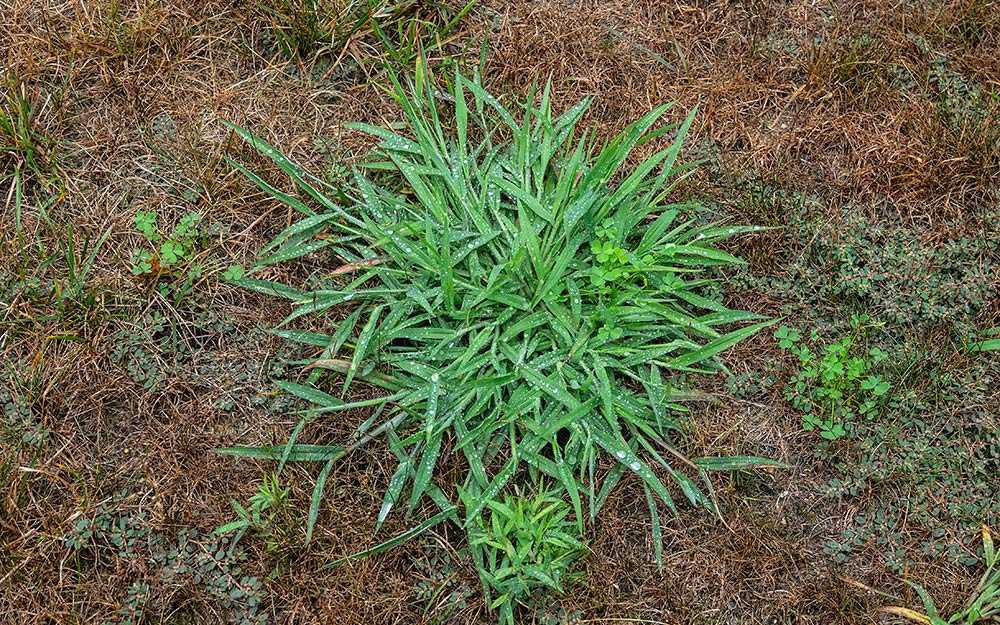
The quickest way to banish crabgrass is to use a pre-emergent herbicide in early spring, combined with careful turf maintenance throughout the growing season. Regularly watering and fertilizing your lawn to promote thick, healthy grass can also help choke out crabgrass naturally. For immediate removal, spot-treat existing crabgrass with a post-emergent herbicide designed for broadleaf weeds.
Crabgrass can quickly take over your lawn if not addressed promptly, but with the right strategies, you can effectively eliminate it. Using pre-emergent herbicides before crabgrass germinates and maintaining a lush, dense turf are the easiest ways to prevent and control this invasive weed. Combining chemical treatments with good lawn care habits provides the best chance for a crabgrass-free yard.

The Easiest Way to Get Rid of Crabgrass
Understanding Crabgrass and Why It Invades Your Lawn
Crabgrass is a stubborn weed that quickly spreads across lawns, especially during warm months. It is a type of annual weed that germinates in spring and grows rapidly. Crabgrass has characteristic wide blades and can easily take over thin or weak grass areas. Knowing why it invades helps in choosing the right removal methods.
Identifying Crabgrass in Your Lawn
Crabgrass can be identified by its sprawling, low-growing habit and coarse, light-colored blades. It typically appears in patches and can have a reddish tint at the base. Its seed heads are finger-like and emerge in late summer. Recognizing crabgrass early prevents it from spreading further.
Prevention Is Better Than Cure
Prevention makes removal easier and less frequent. The best way to keep crabgrass out is by maintaining healthy, dense grass. Thick lawns block sunlight from reaching crabgrass seeds. Proper watering, fertilizing, and mowing help promote strong turf that resists weed invasion.
Tips for Preventing Crabgrass Growth
- Ensure your lawn is well fertilized to promote thick grass
- Mow regularly at the recommended height for your grass type
- Water deeply but infrequently to encourage deep root growth
- Aerate your soil to improve airflow and nutrient absorption
- Apply a pre-emergent herbicide early in spring before crabgrass seeds germinate
Effective Strategies to Remove Crabgrass
Removing crabgrass can be done using various methods, but the most effective approach depends on how much weed has invaded your lawn. Combining strategies yields the best results.
Manual Removal for Small Infestations
Manual removal involves pulling out crabgrass by hand or with weeding tools. This method works well for small patches and ensures you remove the entire plant including roots. Be sure to do this when the soil is moist for easier extraction.
Using Herbicides Safely and Effectively
Herbicides offer a quick solution when crabgrass has spread widely. Select a selective post-emergent herbicide that targets crabgrass without harming your turf. Follow the label instructions carefully for best impact and safety.
Choosing the Right Herbicide
- Look for products containing quinclorac or fenoxaprop-p-ethyl
- Apply when crabgrass is young and actively growing
- Do not apply during drought conditions or extreme heat
Applying Herbicide for Best Results
Apply herbicide in calm, dry weather to prevent drift and runoff. Use a sprayer for even coverage on crabgrass patches. Reapply as recommended, usually after two weeks if any weeds remain.
Natural and Organic Alternatives
If you prefer eco-friendly approaches, natural remedies can help control crabgrass. These methods may require patience but are safer for your family and pets.
Vinegar-Based Solutions
A mixture of white vinegar and salt can burn crabgrass. Spray it directly on weeds during a dry, sunny day. Be careful to avoid surrounding grass as vinegar can harm it too.
Mulching and Lawn Care
Applying mulch around your plants reduces sunlight reaching crabgrass seeds. Regular lawn care, including overseeding and proper fertilization, discourages weeds from establishing.
Maintaining a Healthy Lawn to Prevent Crabgrass
A lush, dense lawn naturally suppresses weed growth. Focus on proper lawn maintenance to prevent future crabgrass invasions.
Proper Mowing Technique
Mow at the recommended height for your grass type. Taller grass shades the soil, preventing crabgrass seeds from germinating.
Consistent Watering and Fertilization
Deep watering encourages strong roots. Regular feeding provides nutrients that help grass outcompete weeds.
Overseeding and Lawn Renovation
Overseeding fills bare patches, making it harder for weeds to establish. Reseed with grass suited to your climate for a thick, resilient lawn.
Comparing Removal Methods: Pros and Cons
| Method | Effectiveness | Ease of Use | Cost | Environmental Impact |
|————————-|——————–|————————|———————-|———————————-|
| Manual Removal | High for small areas| Easy with patience | Low | Eco-friendly |
| Herbicide Application | Fast for large areas| Requires cautious use | Moderate | Depends on chemical selection |
| Organic Remedies | Gentle, safe | Time-consuming | Low | Very eco-friendly |
| Lawn Care & Prevention | Long-term solution | Ongoing effort | Varies | Very eco-friendly |
Getting rid of crabgrass the easiest way involves a combination of prevention, timely removal, and maintaining a healthy lawn. Address small patches early with manual pulling and target larger infestations with selective herbicides. Use organic solutions for a gentle approach, but always prioritize healthy lawn practices to keep crabgrass at bay. Consistency and patience are key to having a lush, crabgrass-free yard.
How to Get Rid of Crabgrass (4 Easy Steps)
Frequently Asked Questions
What is the most effective way to reduce crabgrass growth naturally?
To naturally reduce crabgrass, focus on maintaining a healthy and dense lawn. Regularly mow your grass at the appropriate height to shade the soil, preventing crabgrass seeds from germinating. Consider overseeding with desirable grass varieties to outcompete crabgrass. Additionally, apply a thick layer of mulch or organic compost in bare spots to suppress weed growth. Consistent watering and proper fertilization also promote strong turf, making it harder for crabgrass to establish itself.
Are there specific season timings best suited for controlling crabgrass?
Yes, applying pre-emergent herbicides in early spring before crabgrass seeds germinate offers the best control. The optimal timing depends on your local climate, but generally, start treatments when the soil temperatures reach around 55°F (13°C). This timing helps prevent seeds from sprouting and reduces the amount of crabgrass that depletes your lawn. Follow local agricultural extension recommendations to identify the precise window for your area.
Can regular lawn maintenance help prevent crabgrass from returning?
Absolutely. Regular lawn maintenance helps keep crabgrass at bay by creating an environment where desirable grass thrives. Mow your lawn at the recommended height to shade out crabgrass seeds, water deeply but infrequently to promote deep root growth, and fertilize appropriately to strengthen your turf. Removing thatch buildup and aerating compacted soil also improve grass health, making it harder for crabgrass to invade.
What DIY methods can I try to eliminate crabgrass without chemical herbicides?
Manual removal is an effective DIY approach. Pull crabgrass by hand, making sure to remove the entire root system to prevent regrowth. Applying boiling water directly onto the weeds can also kill young crabgrass plants. Covering infested areas with black plastic for several weeks blocks sunlight, depriving the weeds of energy. These methods require patience but can effectively reduce crabgrass without chemicals.
Is overwatering beneficial or harmful when controlling crabgrass?
Overwatering typically encourages crabgrass growth because it favors the germination of weed seeds. To control crabgrass, water your lawn deeply but less frequently, allowing the soil to dry out slightly between watering sessions. Proper watering promotes healthy grass growth, which naturally suppresses crabgrass. Avoid excessive watering that creates moist conditions conducive to crabgrass proliferation.
Final Thoughts
The easiest way to get rid of crabgrass is to maintain a healthy, dense lawn that prevents weeds from taking hold. Regular mowing and proper watering create an environment where crabgrass struggles to thrive. Applying a pre-emergent herbicide in early spring also helps stop crabgrass before it sprouts. Consistent lawn care is the most effective strategy to keep this weed at bay and maintain a lush, green yard.