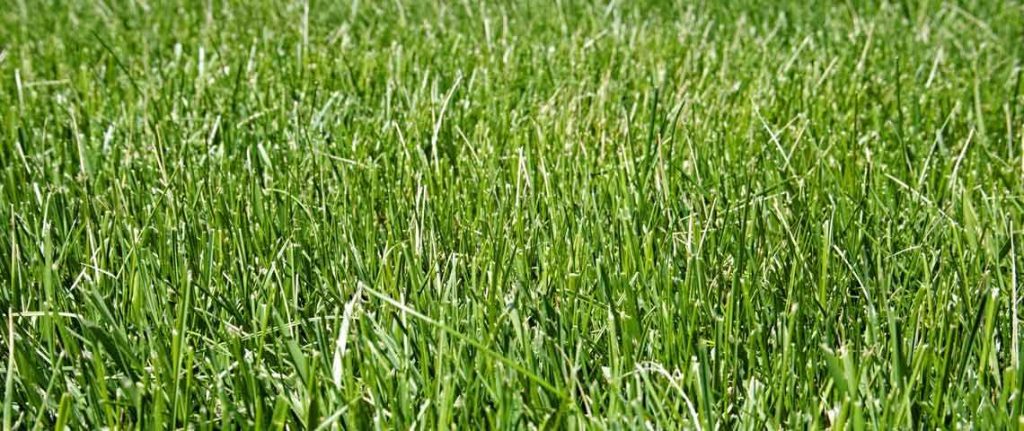
Tall fescue in a lawn appears as dense, dark green patches with coarse, fine-textured blades that stand slightly upright. It often has a slightly rough feel and forms a thick, resilient turf that can withstand drought and heavy foot traffic. Recognizing tall fescue involves looking for its distinctive leaf texture and shape, as well as its tendency to grow in clumps.
In short, tall fescue looks like a robust, dark green grass with coarse blades, forming dense patches that can be easily identified by its texture and growth pattern. It’s a popular choice for lawns due to its durability and appearance.
If you’re trying to identify tall fescue in your yard, focus on its coarse, dark green blades that grow upright and form dense clumps. It tends to have a slightly rough texture compared to softer grasses like Kentucky bluegrass or Bermuda. The grass is usually well-suited for lawns that experience drought or heavy use, showing resilience through its sturdy, thick growth habit. Whether for a lush, resilient lawn or for better drought tolerance, knowing what tall fescue looks like helps you make informed decisions about lawn care and turf management.

What does tall fescue look like in a lawn?
Introduction to Tall Fescue
Tall fescue is a popular cool-season grass that many homeowners choose for their lawns. Its appearance can vary depending on growing conditions, but certain features make it easy to identify. Understanding what tall fescue looks like helps homeowners determine if this grass type is thriving in their yard.
General Appearance of Tall Fescue
Tall fescue has a dense and clumping growth habit, creating a thick carpet of grass. Its blades are broad compared to other grasses like Kentucky bluegrass or ryegrass. This broadness gives the lawn a lush, full look when well-maintained.
Blade Characteristics
The blades of tall fescue are usually flat with a slightly rough texture. They are typically dark green, which adds vibrancy to any lawn. The blades are relatively long, often measuring between 2 to 4 inches, making the grass appear taller and more substantial.
Color and Texture
The rich, deep green color is one of tall fescue’s defining features. Its texture is coarse but soft enough for walking barefoot in most cases. When you’re walking across a tall fescue lawn, you might notice a slightly rougher feeling compared to finer grasses.
Growth Pattern and Density
Tall fescue tends to grow in clumps rather than spreading evenly like some grasses. This pattern results in a lawn that looks patchy at times, especially if not overseeded regularly. Still, with proper care, it can create a lush, dense turf that feels plush underfoot.
Height of Tall Fescue
Generally, tall fescue grows to a height of 3 to 4 inches naturally. If left uncut, it can grow taller, giving the lawn a somewhat wild or natural appearance. Regular mowing helps maintain a tidy look and encourages denser growth.
Leaves and Blade Tips
The tips of tall fescue blades are usually pointed, giving the grass a sharp-edged look. The leaves are broad, making it easy to distinguish from finer-bladed grasses.
Seed Heads and Flowering
During late spring or early summer, tall fescue produces seed heads that stand above the grass blades. These seed heads are typically cylindrical, with fine, thread-like fibers, adding vertical interest to the lawn. They can sometimes be seen swaying in the breeze, especially if the grass is allowed to grow taller.
Comparison with Other Lawn Grasses
To better identify tall fescue, it helps to compare it with other common grasses:
- Kentucky Bluegrass: Has finer blades, a softer texture, and a more uniform spreading growth pattern.
- Ryegrass: Features narrower blades and a lighter green color, often used for overseeding.
- Bermudagrass: Warm-season grass with finer blades and a different growth habit, usually more dormant in cooler months.
Visual Indicators of Healthy Tall Fescue
A healthy tall fescue lawn displays a uniform, deep green color with a thick, dense canopy. The blades stand upright, and the seed heads are not overly prominent. Regular watering and mowing keep the grass looking vibrant and consistent.
Signs of Poorly Maintained Tall Fescue
Lawn problems become visible through:
- Yellow or brown patches indicating drought stress or disease.
- Thin or sparse areas showing poor germination or over-traffic.
- Excessive seed heads, which can occur if the grass is not mowed regularly.
How Tall Fescue Looks in Different Seasons
In cooler months, tall fescue maintains its green color longer than some warm-season grasses, giving the lawn a consistent appearance. During hot summer months, it may turn slightly bluish-green or brown if stressed by heat. Proper watering helps keep its characteristic lush look year-round.
Practical Tips for Recognizing Tall Fescue
When examining a lawn, look for:
- Broad, coarse blades that are darker green.
- Clumping growth habits rather than smooth spreading.
- Seed heads appearing in late spring or early summer.
- A texture that feels rougher underfoot compared to finer grasses.
Identifying tall fescue in a lawn becomes easier once you understand its visual traits. From its broad, coarse blades to its dense, clumping growth pattern and characteristic seed heads, these features make it stand out among other grasses. Recognizing these qualities helps homeowners care for their lawns more effectively and choose the best management practices for their specific grass type.
Tall Fescue Pros And Cons
Frequently Asked Questions
What are the typical blade characteristics of tall fescue in a lawn?
Tall fescue features blades that are wide, usually measuring about 0.5 to 1 inch in width. The blades are coarse in texture, and their edges are slightly rough rather than smooth. They generally maintain a vibrant green color, standing out clearly against other grass types. The blades tend to grow in clumps, giving the lawn a dense appearance.
How can I identify tall fescue based on its growth pattern?
Tall fescue grows in bunch-type clumps, rather than spreading widely through runners. Its growth habit creates a somewhat uneven surface, especially when patches develop unevenly. The grass tends to form dense tufts, and its height can reach around 2 to 4 inches, giving the lawn a slightly ornamental look. Regular mowing keeps it neat and manageable.
What color variations should I look for when identifying tall fescue?
Typically, tall fescue exhibits a rich, deep green hue during the growing season. Slight variations might include a bluish-green tint in some patches, especially in cooler weather. In drought conditions or during dormancy, the grass may turn a duller, bluish-gray color temporarily. This variation in color can help distinguish tall fescue from other grass species.
Are there any distinctive features in the seed heads of tall fescue?
Yes, tall fescue produces seed heads that emerge from the stems, usually in late spring or early summer. The seed heads are narrow and spike-like, often reaching a few inches in length. They are typically darker green or brown and have a somewhat coarse appearance. Observing these seed structures can help confirm the grass’s identity.
What makes tall fescue stand out compared to other cool-season grasses?
Compared to grasses like Kentucky bluegrass or finer fescues, tall fescue has a more coarse texture and broader blades. Its upright growth habit and clumping form create a denser, more textured lawn. Additionally, tall fescue’s deep root system allows it to stay greener during dry periods, making its appearance more resilient and noticeable in various conditions.
Final Thoughts
Tall fescue in a lawn appears as a dense, dark green grass with coarse-textured blades. It has a clumping growth habit and typically grows taller than other grasses, reaching heights of 2-4 feet if left untrimmed. Its blades are broad with a slightly rough surface, giving the lawn a full appearance.
The grass tends to have a deep root system that makes it resilient and drought-tolerant. When identifying tall fescue, look for its distinct clumping growth and its resilience in various weather conditions.
What does tall fescue look like in a lawn? It appears as a sturdy, dark green grass with coarse blades and a clumping habit, making it easily recognizable.