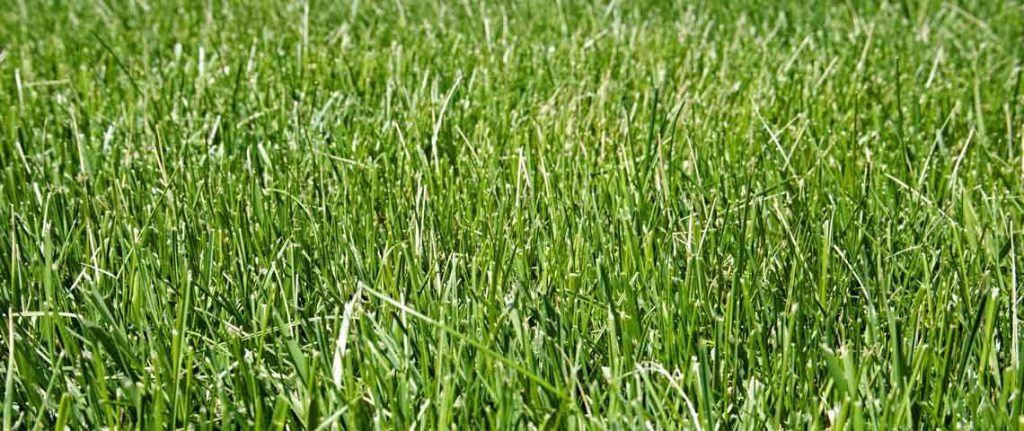
Yes, tall fescue grass can be an excellent choice for lawns, especially if you’re looking for durability and low maintenance. It thrives in a variety of climates, resists drought, and recovers quickly from damage, making it a popular option among homeowners. However, it may not be ideal for those seeking a very fine, plush turf or a high-end aesthetic. Overall, tall fescue offers a practical, hardy solution for a lush, green lawn that lasts throughout the seasons.
Tall fescue grass is highly regarded for its resilience and adaptability, making it an attractive choice for many lawn enthusiasts. If you want a grass that endures stress, stays relatively low-maintenance, and looks good year-round, tall fescue might just be the perfect fit. Still, understanding its characteristics and care needs will help you determine if it’s the best option for your gardening goals.

Is tall fescue grass good for lawns?
Introduction to Tall Fescue Grass
Tall fescue grass is a popular choice for many homeowners looking to create a lush, green lawn. This grass type is known for its durability and adaptability to various weather conditions. It features a deep root system that helps it withstand droughts and heavy foot traffic.
What Is Tall Fescue?
Tall fescue is a cool-season grass that belongs to the *Poaceae* family. It has coarse, dark green blades that grow in clumps, giving lawns a full appearance. Its roots can grow up to three feet deep, making it highly resilient.
Advantages of Using Tall Fescue for Lawns
- drought tolerance — thanks to its deep root system, tall fescue can survive periods of low rainfall.
- Resistance to foot traffic — it holds up well against heavy use and recreation activities.
- Disease resistance — tall fescue tends to resist common turf diseases better than some other grasses.
- Adaptability — it grows well in a variety of soil types and environmental conditions.
Growth and Maintenance of Tall Fescue
Tall fescue grows relatively quickly and requires regular mowing to maintain its health and appearance. It thrives in full sun but can tolerate some shade. Proper watering and fertilization are essential for lush, green growth.
Best Mowing Practices
Keeping the height between 2.5 to 4 inches encourages healthy growth. Avoid cutting more than one-third of the grass height at a time. Regular mowing helps prevent pests and diseases.
Watering Tips
Deep, infrequent watering encourages deep root growth. Typically, lawns need about 1 to 1.5 inches of water weekly, including rainfall. Avoid overwatering, which can lead to fungal diseases.
Soil and Planting Requirements
Tall fescue prefers well-drained, fertile soils with a pH between 5.5 and 6.5. It can be established through seed, sod, or plugs. Proper soil preparation, including aeration and fertilization, supports healthy growth.
Seeding and Establishment
Seeding is the most common and cost-effective method for establishing tall fescue lawns. It’s best to plant in early fall or spring when temperatures are moderate. Use a high-quality seed mix that contains a high percentage of tall fescue for best results.
Fertilizer Needs
Applying nitrogen-rich fertilizer every six to eight weeks promotes lush, dense growth. A soil test can help determine specific nutrient requirements, optimizing fertilizer use.
Challenges and Limitations of Tall Fescue
While tall fescue has many benefits, it also faces some challenges that homeowners should consider.
Heat Sensitivity
Tall fescue can struggle in very hot summer climates, especially if not irrigated properly. It may go dormant or turn brown during extreme heat spells, reverting when cooler weather returns.
Thatch Accumulation
This grass tends to build up thatch—a layer of dead grass stems and roots—which can hinder water and nutrient penetration. Regular dethatching can help manage this issue.
Limited Shade Tolerance
Though tall fescue can handle some shade, it generally performs best in full sun. Lawns with dense tree cover may require alternative grass options.
Comparing Tall Fescue to Other Turfgrasses
To determine if tall fescue is right for your lawn, compare it to other popular grasses.
| Feature | Tall Fescue | Bermuda Grass | |
|---|---|---|---|
| Climate Suitability | Cool-season, adaptable in mild climates | Warm-season, thrives in hot weather | |
| Drought Tolerance | High due to deep roots | Moderate | |
| Maintenance | Moderate, regular mowing and fertilizing needed | High, frequent watering and mowing | |
| Shade Tolerance | Moderate | Low | |
| Wear Resistance | Excellent | Good |
Suitable Climate Conditions for Tall Fescue
Tall fescue is best suited for regions with moderate temperatures. It handles cold winters well but can struggle in prolonged heat without proper care. Lawns in transitional zones between cooler and warmer climates often find it an ideal choice.
Optimal Growing Regions
States in the northern half of the United States, such as the Pacific Northwest, Midwest, and parts of the Southeast, are ideal. It adapts well in areas with regular rainfall and moderate summers.
Limitations in Hot Climates
In extremely hot and humid regions like the Deep South, tall fescue may go dormant during peak summer. Supplementary watering and maintenance can mitigate some stress.
Environmental Benefits of Tall Fescue
This grass contributes positively to the environment when maintained properly. Its deep roots help prevent soil erosion and improve soil health.
Reducing Water Usage
Tall fescue’s drought resistance means homeowners use less water, conserving resources and lowering utility bills.
Carbon Sequestration
Dense tall fescue lawns can absorb more carbon dioxide from the atmosphere, helping reduce greenhouse gases.
Cost Considerations of Installing Tall Fescue
Though initial costs vary depending on the method of establishment, tall fescue generally offers a budget-friendly option.
Seed vs. Sod
Seeding is cheaper but takes longer to establish. Sod provides instant coverage but has higher upfront costs.
Maintenance Expenses
Ongoing costs include watering, fertilizing, mowing, and occasional aeration or dethatching. Proper maintenance prolongs the lifespan and appearance of the lawn.
Final Thoughts on Choosing Tall Fescue for Your Lawn
Tall fescue stands out as a durable, adaptable, and low-maintenance grass option for many lawns. Its ability to tolerate drought, foot traffic, and disease makes it a versatile choice. Ensuring proper soil preparation, watering, and mowing routines will lead to a healthy, attractive lawn that lasts for years.
Tall Fescue Pros And Cons
Frequently Asked Questions
What are the advantages of using tall fescue for a home lawn?
Tall fescue offers several benefits for lawn owners. It has a deep root system that provides drought tolerance and requires less frequent watering. Its dense growth helps prevent weeds from establishing, reducing maintenance efforts. Additionally, tall fescue’s resilience allows it to recover quickly from heavy foot traffic and some pest damage, making it suitable for active yards.
How does tall fescue perform in different soil conditions?
Tall fescue adapts well to a variety of soil types, including clay, loam, and sandy soils. It thrives in well-drained soils and can tolerate areas with moderate compaction. Proper soil preparation and fertilization promote healthy growth, ensuring the grass establishes effectively regardless of initial soil quality.
Is tall fescue suitable for areas with high foot traffic?
Yes, tall fescue handles heavy foot traffic better than many other grass types. Its strong, upright blades and dense growth pattern help it withstand frequent use without becoming worn out. Regular mowing and adequate watering support its resilience and keep the lawn looking healthy.
Can tall fescue withstand drought conditions?
Thanks to its deep-rooted system, tall fescue can access water from deeper soil layers, making it more drought-tolerant than some other grasses. While it can survive dry periods, consistent watering during extended droughts helps maintain a lush and healthy appearance.
What are the maintenance requirements for tall fescue lawns?
Tall fescue generally requires moderate maintenance. Regular mowing at appropriate heights, about 2.5 to 4 inches, promotes healthy growth. Fertilizing twice a year supports vigor, and overseeding helps maintain density. Proper watering and pest management further ensure the lawn remains appealing and resilient.
Final Thoughts
Tall fescue grass is an excellent choice for lawns due to its drought resistance and adaptability to various soil types. It remains green and healthy with less frequent watering, making maintenance easier. Its deep root system helps it withstand foot traffic and dry conditions effectively.
In conclusion, is tall fescue grass good for lawns? Absolutely. It offers durability, low water needs, and a vibrant appearance, making it a smart option for many homeowners.