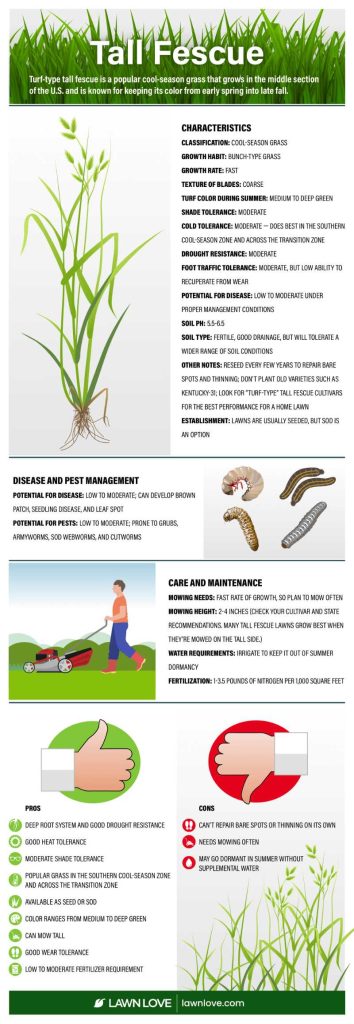
Tall fescue offers a beautiful, resilient lawn option but comes with some trade-offs to consider. It’s praised for its drought tolerance and durability, making it ideal for busy, outdoor lifestyles. However, it can also present issues like potential toxicity to livestock and invasive tendencies in certain environments. Overall, tall fescue is a versatile choice that balances benefits with some drawbacks, depending on your specific needs and location.
In short, tall fescue is a hardy, low-maintenance grass that thrives in various climates, providing a lush, green ground cover. Yet, it may require management to prevent it from becoming invasive and to address any health concerns for animals. Understanding both its advantages and disadvantages helps homeowners and farmers decide if it’s the right fit for their outdoor space.
Tall fescue is a popular choice for lawns and pastures, thanks to its resilience and adaptability. If you’re considering planting it, knowing both its pros and cons will help you make an informed decision. It’s a grass that can withstand drought, heavy foot traffic, and poor soil, making it an attractive option for many. However, its vigorous growth can sometimes lead to invasiveness and require regular maintenance. Additionally, some varieties of tall fescue can be toxic to livestock, which is an important consideration for farmers. This versatile grass blooms in many regions but can also outcompete native plants if not carefully managed. Whether you’re aiming for a durable lawn or a grazing field, understanding the balance of its benefits and drawbacks will help you get the most from tall fescue.

What are the pros and cons of tall fescue?
Introduction to Tall Fescue
Tall fescue is a popular cool-season grass often used for lawns, sports fields, and pastures. It is appreciated for its hardy nature and ability to grow in various conditions. Understanding its advantages and disadvantages helps homeowners and landscapers decide if tall fescue is the right choice for their needs.
Advantages of Tall Fescue
Hardy and Resilient
Tall fescue is known for its toughness and ability to withstand drought, heat, and heavy foot traffic. This resilience makes it a top option for high-use lawns and sports fields. It can recover quickly from damage, reducing long-term maintenance needs.
Good Shade Tolerance
Unlike some grasses that struggle in shade, tall fescue can grow well under trees and in shaded areas. This quality allows it to thrive in parts of your yard where other grasses might fail. It allows for a more consistent lawn in diverse conditions.
Deep Root System
Tall fescue has a deep root system that helps it access water deep in the soil. This deep root system aids in drought resistance and helps the grass stay green even during dry spells. It also helps prevent soil erosion and improves soil health over time.
Low Fertilizer Requirements
Compared to other turfgrasses, tall fescue often needs less fertilizer to stay healthy and vibrant. This reduces lawn care costs and minimizes environmental impact. It also means less risk of over-fertilization, which can cause lawn problems like disease or thatch buildup.
Good Pest and Disease Resistance
Tall fescue is generally less prone to many common turf pests and diseases. This characteristic reduces the need for chemical treatments and makes lawn maintenance easier. It creates a healthier environment for the grass to grow.
Disadvantages of Tall Fescue
Clumping Growth Habit
Tall fescue tends to grow in clumps, which can make the lawn look uneven if not properly maintained. These clumps may require regular overseeding or aeration to maintain a uniform appearance. Without proper care, the lawn could look patchy over time.
Coarse Texture
Compared to fine-bladed grasses like Kentucky bluegrass or Bermuda, tall fescue has a coarser texture. Some homeowners prefer a softer, more delicate lawn feel, which tall fescue may not provide. The coarse appearance may also affect the overall aesthetic of a pristine lawn.
Potential for Thatch Buildup
Tall fescue can produce thatch, a layer of dead grass roots and stems that accumulates on the soil surface. Excessive thatch can hinder water and nutrient absorption. Regular dethatching is needed to prevent this issue.
Less Suitable for Hot and Humid Climates
While tall fescue performs well in cooler weather, it may struggle in very hot or humid environments. It might enter dormancy or develop stress symptoms during peak summer months in such areas. This limits its use in some regions.
Seed Dormancy and Establishment
Tall fescue seeds often have a long germination period and can be slow to establish. This delay may require patience during lawn repair or planting projects. Proper soil preparation and seeding techniques are essential for successful establishment.
Growing and Maintenance Considerations
Watering Needs
Although tall fescue is drought-tolerant once established, it requires regular watering during initial growth phases. Once mature, it survives on less water but still benefits from supplemental irrigation during dry periods. Proper watering helps maintain a lush, green lawn.
Fertilization Practices
Tall fescue responds well to fertilization, especially nitrogen-based fertilizers. Applying the right amount at the proper times promotes healthy growth and prevents issues like thatch buildup. A balanced fertilization schedule can enhance its durability.
Mowing Height and Frequency
To keep tall fescue healthy, mowing should be done at heights between 2.5 to 4 inches. Regular mowing encourages dense growth and prevents the grass from becoming coarse. It also helps reduce pests and weeds by maintaining a healthy turf canopy.
Overseeding and Repair
Overseeding helps fill in patches and maintain a dense lawn. Tall fescue benefits from periodic overseeding, especially in areas prone to thinning or damage. Proper soil preparation and timely overseeding improve overall lawn quality.
Environmental Impact and Sustainability
Eco-Friendly Lawn Care
Due to its lower fertilizer and water requirements, tall fescue can be a more eco-friendly turfgrass option. It reduces chemical runoff and conserves water, making it suitable for sustainable landscaping.
Soil Health Benefits
Its deep roots help prevent erosion and improve soil structure. Tall fescue also adds organic matter to the soil over time, supporting beneficial microorganisms and overall soil health.
Summary Table: Pros and Cons of Tall Fescue
| Pros | Cons |
|---|---|
| Resistant to drought and heat | Clumping growth habit can look uneven |
| Good shade tolerance | Coarse texture compared to fine grasses |
| Deep root system aids in drought resistance | Potential for thatch buildup |
| Requires less fertilizer | Less suitable for very hot or humid climates |
| Less prone to pests and diseases | Slow to establish from seed |
Related Topics to Consider
- Other cool-season grasses suitable for different climates
- Best lawn care practices for tall fescue
- Seeding vs. sod for establishing lawns
- Environmental benefits of drought-tolerant grasses
Final Thoughts on Tall Fescue
Tall fescue offers strong advantages for areas that experience drought, shade, or heavy use. Its durability and low maintenance needs make it a practical choice for many homeowners. However, understanding its limitations, like texture and growth habits, helps ensure it fits well within your landscape goals. Proper care and maintenance can maximize its benefits and create a lush, resilient lawn.
Tall Fescue Pros And Cons
Frequently Asked Questions
What are the primary advantages of tall fescue for lawns?
Tall fescue offers several benefits for lawn care. It has deep roots that help it withstand drought and foot traffic, making it highly resilient. The grass is relatively low-maintenance, requiring less frequent mowing and fertilizing compared to other turf types. Additionally, tall fescue resists pests and diseases well, contributing to a healthy, lush appearance with less intervention.
How does tall fescue impact soil health and erosion control?
Tall fescue’s dense root system stabilizes soil effectively, reducing erosion on slopes and bare patches. Its roots improve soil structure by enhancing aeration and water retention, which benefits overall soil health. This grass type also helps prevent runoff and promotes environmental sustainability in landscaped areas.
What are some common challenges associated with growing tall fescue?
Growing tall fescue can present challenges such as its preference for cooler temperatures, which may limit its growth during hot summers. It can also be prone to invasive spreading if not managed properly, and may require overseeding to maintain a uniform appearance. Proper maintenance and environmental considerations can help mitigate these issues.
In what environments does tall fescue perform best?
Tall fescue thrives in regions with moderate temperatures and well-drained soil. It performs well in lawns with full sun to partial shade and can tolerate a range of soil types, including those with lower fertility. This adaptability makes it suitable for various climates, especially in areas with dry spells or irregular rainfall.
What are some aesthetic considerations when choosing tall fescue for landscaping?
While tall fescue provides a lush, dark green appearance, its coarse texture might not suit all aesthetic preferences. It tends to develop a more informal look compared to finer grasses like Kentucky bluegrass. Additionally, its tendency to grow taller can require more frequent mowing to maintain a neat appearance, especially in manicured lawns.
Final Thoughts
Tall fescue offers several benefits, including drought tolerance and adaptability to various soil types. It requires less maintenance and provides good forage and turf quality.
However, it also has drawbacks, such as the potential for invasive growth and some toxicity issues for livestock. Its deep root system can make it harder to establish initially.
What are the pros and cons of tall fescue? Overall, tall fescue is a versatile grass with both advantages and disadvantages. Consider these factors to decide if it fits your needs.