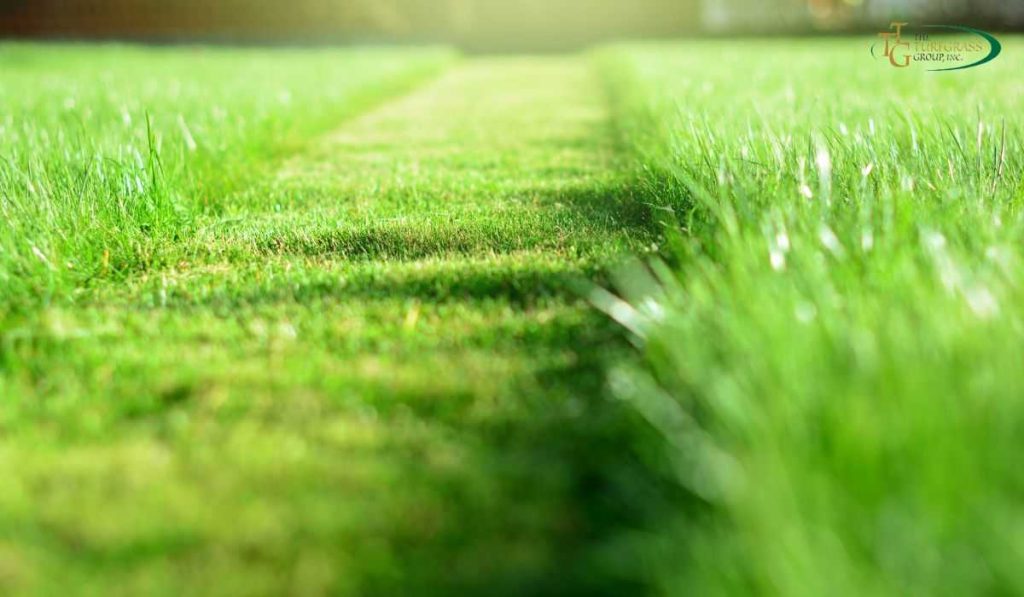
For a lush, healthy Bermuda grass lawn, aim to mow every 1 to 2 weeks during the growing season. Keep the grass height around 1 to 2 inches for optimal health and appearance. mowing regularly prevents the grass from becoming too tall, which encourages vigorous growth and a dense, beautiful turf.
In general, Bermuda grass should be cut once a week during peak growing months and less often as growth slows down in cooler weather. The key is to mow frequently enough to avoid cutting more than one-third of the grass height at a time. Proper mowing not only keeps your lawn looking great but also promotes strong roots and resilience against pests and weeds. Staying consistent with your trimming schedule will ensure your Bermuda grass remains vibrant, even throughout the hottest months.

How Often to Cut Bermuda Grass
Understanding how often to cut Bermuda grass is vital for maintaining a lush, healthy lawn. Proper mowing keeps your grass vigorous and prevents pests and disease. In this section, we’ll explore the key factors that influence mowing frequency and provide clear guidelines to help your Bermuda grass stay vibrant throughout the year.
Factors That Affect Mowing Frequency
Several factors determine how often you should cut Bermuda grass. These include the grass’s growth rate, the season, climate conditions, and your lawn’s specific needs. Recognizing these factors will help tailor your mowing schedule for optimal health.
- Growth Rate: Bermuda grass grows quickly during warm months, so frequent mowing is necessary to keep it tidy.
- Seasonality: The grass requires more regular cuts in summer when it is actively growing and less so in winter when growth slows down.
- Climate Conditions: Warm, humid climates promote rapid growth, necessitating more frequent mowing. Cooler or drier weather may reduce growth rates.
- Lawn Usage: Lawns used heavily for activities require more frequent mowing to maintain appearance and safety.
General Mowing Schedule for Bermuda Grass
Most lawns with Bermuda grass should be mowed frequently enough to remove no more than one-third of the height at each mowing. This promotes healthy growth and prevents stress on the grass.
Spring and Summer Mowing
During the peak growing seasons, typically from late spring through summer, Bermuda grass may need to be cut once a week. Growth is at its fastest, and consistent mowing prevents the grass from becoming too tall and unruly.
Fall and Winter Mowing
As temperatures drop and growth slows down, you can space out mowing sessions. Every two to three weeks may suffice in cooler months. In winter regions where Bermuda goes dormant, mowing can often be halted entirely.
Ideal Cutting Heights for Bermuda Grass
The height at which you mow Bermuda grass significantly impacts its health. Knowing the appropriate mowing heights helps ensure a resilient, attractive lawn.
| Season | Recommended Cutting Height |
|---|---|
| Spring and Summer | 1 to 1.5 inches |
| Fall | 1.5 to 2 inches |
| Winter (Dormant period) | Do not mow or very infrequently |
Maintaining this height prevents scalping, encourages dense growth, and reduces weed invasion. Avoid cutting Bermuda grass too short, as it can stress the plant and make it more vulnerable to pests and disease.
Signs That Indicate It’s Time to Mow
Monitoring your lawn’s appearance helps determine when mowing is necessary. Key indicators include:
- The grass exceeds the recommended height by at least one-third
- Clumping of grass blades or a shaggy appearance
- Grass blades look dull or tired
- Unhealthy patches or signs of pests show up
By paying close attention to these signs, you can adjust your mowing schedule to keep Bermuda grass in top shape.
Tips for Mowing Bermuda Grass Properly
Proper mowing techniques promote a healthier lawn and keep weeds at bay. Follow these best practices:
- Use Sharp Mower Blades: Dull blades tear grass, leading to damage and disease. Sharpen blades regularly.
- Adjust Mower Height: Set your mower to the ideal height depending on the season and grass condition.
- Never Remove More Than One-Third of the Grass Height in One Mowing Session
- Maintain a Clean Mowing Pattern: Change directions frequently to prevent scalp marks and ruts.
- Leave Grass Clippings: Mulching grass helps retain moisture and provides nutrients as clippings decompose.
Seasonal Adjustments to Mowing Frequency
Adjusting your mowing schedule with the seasons ensures Bermuda grass remains healthy year-round.
Spring
Start mowing when the grass turns green and begins to grow actively. Increase mowing frequency as growth accelerates.
Summer
Expect weekly mowing during peak growth periods. Watch for drought stress and adjust as needed.
Fall
Reduce mowing frequency as growth slows. Keep grass at recommended heights to prepare for dormancy.
Winter
In many regions, Bermuda grass goes dormant, and mowing can be paused. In warmer climates, mowing might still be necessary to remove winter weeds and maintain neatness.
Common Mistakes to Avoid
Avoid these errors that can harm Bermuda grass:
- Mowing Too Short: Cutting below the recommended height weakens roots and encourages weeds.
- Infrequent Mowing: Neglecting regular cuts causes excessive thatch buildup and uneven growth.
- Using Dull Blades: Damages grass and spreads disease.
- Ignoring Seasonal Needs: Failing to adapt mowing based on the season can lead to stressed or unhealthy grass.
Additional Care Tips to Support Mowing Routine
Besides mowing, other maintenance practices enhance Bermuda grass’s health:
- Proper Watering: Keep the soil moist but not saturated to support steady growth.
- Fertilization: Use a balanced fertilizer to promote lush growth, especially during active seasons.
- Aeration: Relieve soil compaction to improve root growth and nutrient absorption.
- Pest and Disease Control: Regular inspection and treatment prevent damage caused by lawn pests and diseases.
Maintaining these practices in tandem with appropriate mowing ensures your Bermuda grass lawn stays thick, green, and healthy for years.
This detailed approach to understanding how often to cut Bermuda grass highlights the importance of tailored care based on growth, seasons, and environmental conditions. Following these guidelines helps you create a resilient, attractive lawn that enhances your landscape year-round.
Why your Bermuda Grass turns brown after you cut it // Browning Lawn after mowing
Frequently Asked Questions
How does the season affect how often I should cut Bermuda grass?
During the peak growing season in warmer months, Bermuda grass needs to be cut more frequently, typically once a week. In cooler months or dormant periods, you can extend the interval between cuts to every two to three weeks. Adjust your mowing schedule based on the grass’s growth rate to maintain a healthy, even appearance.
What signs indicate it’s time to mow Bermuda grass again?
When your Bermuda grass reaches about 1 to 2 inches above the desired height—usually 1 to 2 inches for most lawns—it’s time to mow. Consistently monitoring the height helps prevent overgrowth and encourages dense, healthy turf. Avoid waiting until the grass becomes excessively tall, as this can make mowing more difficult and stress the grass.
How does mowing frequency impact the overall health of Bermuda grass?
Mowing regularly encourages the grass to grow denser and reduces weed invasion. It also helps maintain a uniform appearance and prevents the grass from becoming too tall or patchy. However, cutting too often or too short can stress the grass, so balancing your mowing schedule with the growth rate is essential for a healthy lawn.
Final Thoughts
Il est recommandé de couper bermuda grass toutes les une à deux semaines pendant la saison de croissance active. Cela aide à maintenir la pelouse en bonne santé et à favoriser une croissance dense. En période de chaleur ou de sécheresse, il peut être nécessaire de couper moins fréquemment.
Pour un aspect soigné, ajustez la hauteur de coupe en fonction des conditions. Connaître comment souvent on doit couper bermuda grass garantit une pelouse verte et bien entretenue.