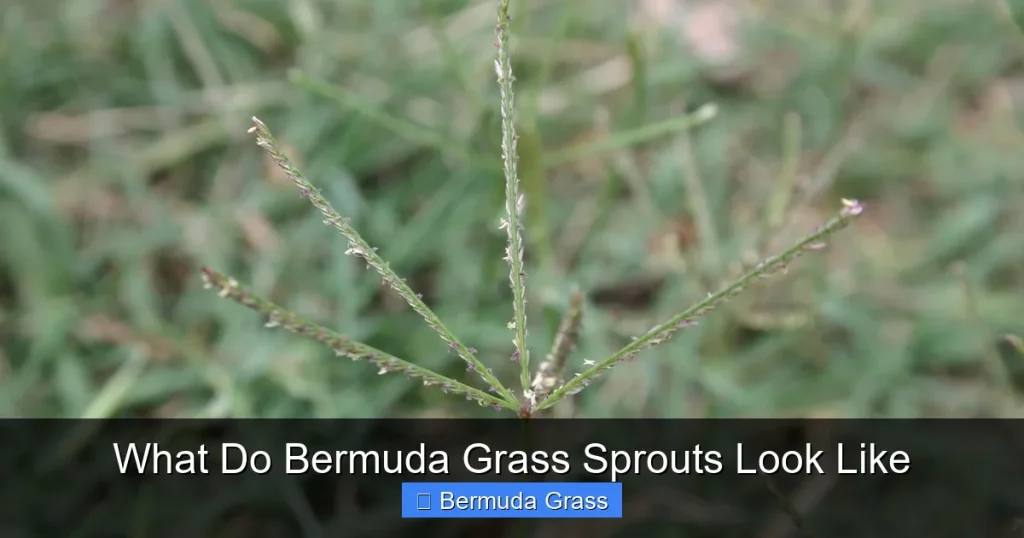
In this guide, you’ll learn what Bermuda grass sprouts look like during their early growth stages. Recognizing these young sprouts is essential for lawn care, helping you identify healthy growth and address issues early. Whether you’re overseeding or starting a new lawn, understanding Bermuda grass sprouts will set you up for success.
Key Takeaways
- Young Bermuda grass sprouts are small and delicate: They typically appear as thin, fine blades emerging from the soil.
- Color varies from light green to bright green: Early sprouts often have a vibrant hue, making them easier to spot.
- Sprouts are usually less than an inch tall: Keep an eye out for tiny shoots that are just breaking through the soil surface.
- They have a fine texture: Unlike mature Bermuda grass, young sprouts are soft and slender.
- Early identification helps in lawn maintenance: Recognizing sprouts early allows for proper watering, fertilizing, and weed control.
- Growth pattern is sparse and uneven initially: Sprouts may appear in patches before filling in to form a uniform lawn.
Introduction
Growing a lush Bermuda grass lawn starts with understanding its early stages of growth. If you’ve recently overseeded or are starting a new lawn, you might wonder, what do Bermuda grass sprouts look like? Recognizing the tiny, delicate shoots early on can help you care for your lawn properly, ensuring healthy development and a vibrant green space. In this guide, we’ll walk you through how to identify Bermuda grass sprouts, what to expect during their initial growth, and tips to promote strong, healthy young grass.
Understanding Bermuda Grass Sprouts
Bermuda grass is a warm-season grass popular for lawns, sports fields, and golf courses. Its growth begins from seeds or sod, but for this guide, we’ll focus on seed-grown Bermuda grass and how its sprouts look. Early on, these tiny shoots are fragile and easily overlooked, but with a keen eye, you can identify them and ensure they thrive.
Step 1: Recognize the Ideal Time for Observation
When to Look for Sprouts
The best time to observe Bermuda grass sprouts is approximately 7 to 14 days after planting the seeds. This period allows the seeds to germinate and push through the soil surface. Factors like soil temperature, moisture, and seed quality influence germination time.
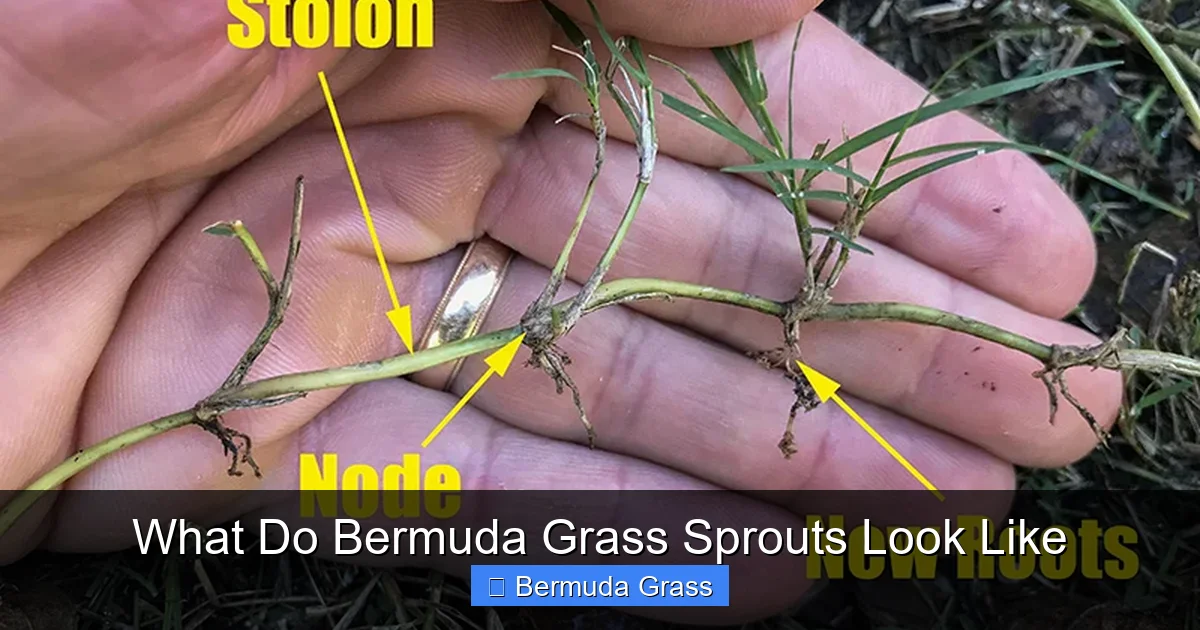
Visual guide about What Do Bermuda Grass Sprouts Look Like
Image source: bermudalawnguide.com
Preparing Your Lawn for Observation
- Keep the soil consistently moist but not waterlogged.
- Avoid disturbing the soil surface once planting is complete.
- Check your lawn daily, especially during warm, sunny days.
Step 2: Identifying Bermuda Grass Sprouts
What Do They Look Like?
Bermuda grass sprouts are tiny, delicate shoots that emerge as thin, fine blades. They are usually less than an inch tall and have a light to bright green color. The sprouts are soft and fragile, resembling fine threads or hair-like structures.
Visual Characteristics
- Size: Less than 1 inch tall, often just a few millimeters initially.
- Color: Light green, sometimes with a slightly yellowish hue.
- Texture: Soft, fine, and slender; easily bend or break when touched.
- Shape: Narrow, blade-like leaves with a pointed tip.
Common Signs to Look For
- Small green shoots breaking through the soil surface.
- Minimal or no visible root system at this stage.
- Uneven patches of sprouts if germination was inconsistent.
Step 3: Differentiating Bermuda Grass Sprouts from Weeds and Other Grasses
How to Tell the Difference
Young Bermuda grass can be confused with weeds or other grass types. Here’s how to tell them apart:
- Bermuda Grass: Fine, soft blades, bright green, emerging in clusters or patches.
- Weeds: Often have broader leaves, different textures, or more aggressive growth patterns.
- Other Grasses: May have thicker blades, different coloration, or grow at different rates.
Practical Tips
- Compare the sprout’s appearance with mature Bermuda grass blades for consistency.
- Observe the growth pattern over a few days to see if the sprouts develop into Bermuda grass or weeds.
- Use a hand lens to examine leaf structure if unsure.
Step 4: Caring for Bermuda Grass Sprouts
Providing Optimal Conditions
- Watering: Keep the soil moist but not soggy. Water lightly and frequently.
- Fertilizing: Avoid heavy fertilization at this stage. Use a starter fertilizer if needed.
- Lighting: Ensure the area receives full sun for healthy growth.
- Weed Control: Keep weeds at bay, as they compete with young Bermuda grass for nutrients.
Practical Tips for Success
- Use a light watering schedule to prevent washing away the tiny sprouts.
- Apply a light layer of mulch or straw if soil dries out quickly.
- Monitor for pests or diseases, although young Bermuda grass is generally resilient.
Step 5: Troubleshooting Common Issues
Sprouts Are Not Appearing
If you don’t see sprouts after two weeks, check soil temperature (preferably between 65-70°F) and moisture levels. Seeds may have failed to germinate due to dryness or cold weather.
Sprouts Are Yellowing or Wilting
Overwatering or poor soil drainage can cause root rot. Adjust watering habits and ensure proper drainage.
Uneven or Patchy Growth
This may result from inconsistent seed distribution or soil conditions. Reseed sparse areas and maintain uniform soil moisture.
Conclusion
Recognizing what Bermuda grass sprouts look like is a valuable skill for any lawn enthusiast. Early identification helps you provide the right care, promoting healthy growth and a lush, green lawn. Remember, young Bermuda grass sprouts are tiny, soft, and bright green—easy to overlook but crucial to monitor. With patience and proper care, your Bermuda grass will grow into a dense, beautiful turf that enhances your outdoor space.
Additional Tips
- Use a gentle hand when watering to avoid displacing delicate sprouts.
- Avoid walking on freshly germinated areas to prevent damage.
- Keep soil evenly moist during germination for best results.