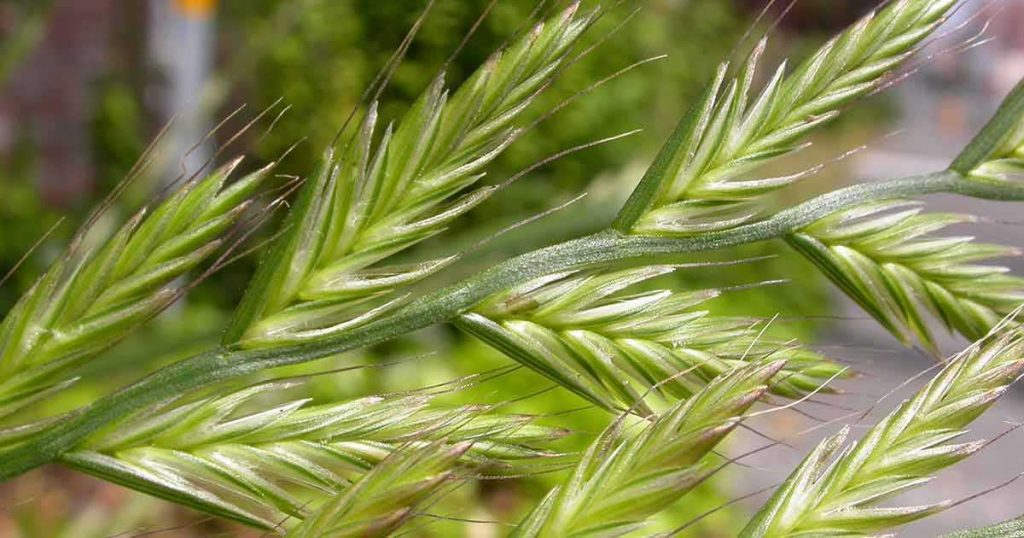
Annual ryegrass is a type of grass that grows for just one season, making it a popular choice for overseeding lawns or as a cover crop. If you’re wondering what it looks like, let me tell you! Annual ryegrass has fine-textured, bright green leaves that grow in dense tufts or clumps. Its blades are slender and taper to a point, giving them a sleek appearance. The grass can grow up to two feet tall and forms a thick, lush carpet-like covering when fully established. The roots of annual ryegrass are shallow, which allows it to germinate quickly and establish rapidly. This grass has a relatively quick growth rate, making it an ideal choice for filling in bare spots or giving your lawn a fresh green look. Now that you have a brief overview, let’s delve into more details about the characteristics of annual ryegrass.

What Does Annual Ryegrass Look Like?
Annual ryegrass, also known as Italian ryegrass, is a cool-season grass that belongs to the Lolium genus. It is a versatile and fast-growing plant that serves various purposes in different settings, including lawns, pastures, and cover crops. In this article, we will explore the appearance and characteristics of annual ryegrass in detail to help you identify and understand this popular grass species.
Size and Growth Habit
When it comes to size, annual ryegrass typically reaches a height of about 2 to 3 feet when fully grown. It has a dense, tufted growth habit, forming clumps or bunches. The leaves are long and narrow, with a distinct midrib running down the center. The blades can range in color from light green to deep emerald, depending on the growing conditions and maturity stage of the plant.
One of the key characteristics of annual ryegrass is its rapid growth rate. It is known for its ability to establish quickly and provide a lush, green cover in a short period. This makes it an ideal choice for overseeding lawns or revitalizing bare areas.
Leaf and Stem Structure
The leaves of annual ryegrass are flat and smooth with a glossy texture. They are attached to the stem by a sheath, which wraps around the base of the leaf. The leaf blades have parallel venation, with prominent veins running from the base to the tip.
The stems of annual ryegrass are hollow and cylindrical, offering flexibility and resilience. They can vary in thickness, with some stems being slender while others are more robust. These sturdy stems help support the weight of the grass and allow it to withstand moderate foot traffic.
Flower and Seed Heads
Annual ryegrass produces flower and seed heads that are characteristic of the grass family Poaceae. The flowers are small and inconspicuous, consisting of tiny spikelets arranged in long, slender clusters known as inflorescences. These inflorescences are called panicles and can vary in length.
As the seeds mature, the seed heads turn golden or brown. Each spikelet contains multiple seeds, which are oval-shaped with a smooth surface. The seeds are typically small and light, facilitating their dispersal by wind and other means.
Distinguishing Annual Ryegrass from Perennial Ryegrass
It is important to distinguish annual ryegrass from its close relative, perennial ryegrass, as they have some notable differences in appearance. While both species have similar growth habits and leaf structures, there are distinctive characteristics that can help you differentiate between them:
- Life Cycle: As the name suggests, annual ryegrass completes its life cycle within a year, whereas perennial ryegrass persists for multiple years.
- Seed Heads: The seed heads of annual ryegrass tend to be more open and spread out compared to the denser seed heads of perennial ryegrass.
- Winter Hardiness: Perennial ryegrass is generally more winter-hardy than annual ryegrass, allowing it to survive colder temperatures and continue growing in the following seasons.
- Root System: Perennial ryegrass typically develops a deeper and more extensive root system compared to the shallower root system of annual ryegrass.
By paying attention to these distinguishing features, you can accurately identify whether you are dealing with annual ryegrass or perennial ryegrass in your specific landscape or agricultural setting.
Benefits and Uses of Annual Ryegrass
Annual ryegrass offers several benefits and has diverse uses across various domains. Let’s explore some of the common applications and advantages of this versatile grass:
Lawn Overseeding and Renovation
As a cool-season grass, annual ryegrass is often used to overseed lawns. The fast establishment and vigorous growth of annual ryegrass help improve the appearance and coverage of lawns, particularly during the dormant season of warm-season grasses. It provides a quick green-up and acts as a temporary lawn cover until warm-season grasses recover.
Moreover, annual ryegrass is utilized in lawn renovation projects, where it helps fill in bare spots, repair damage, and enhance the overall quality of the turf. Its ability to blend well with existing lawns makes it a popular choice for homeowners and turf professionals alike.
Pasture and Forage Production
Annual ryegrass also serves as an essential component in pastures and forage production systems. Its high nutritive value and palatability make it an excellent choice for grazing animals. It provides valuable forage during the cooler months when warm-season grasses are dormant or have reduced growth.
In addition to direct grazing, annual ryegrass can be harvested as hay or silage to meet the forage needs of livestock. Its rapid growth and regenerative nature allow for multiple cuttings throughout the growing season, ensuring a steady supply of nutritious feed.
Cover Crop and Soil Improvement
As a cover crop, annual ryegrass offers numerous soil benefits. Its extensive root system helps improve soil structure and prevents erosion by binding the soil particles together. The dense growth of the grass creates a protective cover that minimizes weed growth and conserves soil moisture.
Furthermore, annual ryegrass acts as a scavenger, taking up excess nutrients from the soil and reducing the risk of leaching. When the grass is terminated, it releases the stored nutrients back into the soil, enriching it for subsequent crops. This nutrient cycling enhances the overall fertility and health of the soil, promoting sustainable agriculture.
Closing Thoughts
In summary, annual ryegrass is a versatile grass species with distinct characteristics that set it apart from other grasses. Its dense tufted growth, long and narrow leaves, hollow stems, and seed heads help in easy identification. Knowing the differences between annual and perennial ryegrass is crucial for appropriate management and utilization.
Whether you are seeking to enhance your lawn, improve pasture productivity, or implement sustainable agricultural practices, annual ryegrass can play a valuable role. Its rapid establishment, nutritive value, and soil-improving properties make it a popular choice among homeowners, farmers, and turf professionals.
Perennial Ryegrass Pros and Cons
Frequently Asked Questions
What does annual ryegrass look like?
Annual ryegrass is a cool-season grass that exhibits distinctive characteristics in its appearance. Here are some key features that describe what it looks like:
What is the color of annual ryegrass?
Annual ryegrass typically has a vibrant green color, making it easily recognizable. Its lush green blades provide an attractive look to lawns and pastures.
How tall does annual ryegrass grow?
Annual ryegrass can vary in height, but it generally grows between 12 and 24 inches tall. However, under ideal conditions, it has the potential to grow even taller.
What is the texture of annual ryegrass?
The texture of annual ryegrass is characterized by its fine, slender, and soft leaves. Its foliage appears delicate and provides a pleasant feel when touched.
Are there any distinguishing features on the blades of annual ryegrass?
Yes, annual ryegrass blades possess prominent veins, giving them a ribbed or striated appearance. These veins run parallel along the length of the leaf and are easily noticeable.
Does annual ryegrass produce seed heads?
Yes, annual ryegrass produces seed heads, specifically in the form of spike-like or branched clusters. These seed heads emerge from the top of the plant and can vary in color from purplish to brownish hues.
Final Thoughts
Annual ryegrass is a cool-season grass that is commonly used for pasture and turf. Its appearance can vary, but in general, annual ryegrass has a vibrant green color and a fine-textured leaf blade. It forms a dense, tufted growth habit and can reach heights of up to three feet. The leaves are smooth and glossy, with a pointed tip. Annual ryegrass produces clusters of upright seed heads that contain numerous small seeds. Overall, the distinct features of annual ryegrass make it easily recognizable in fields and lawns. Understanding what annual ryegrass looks like is essential for proper identification and management.