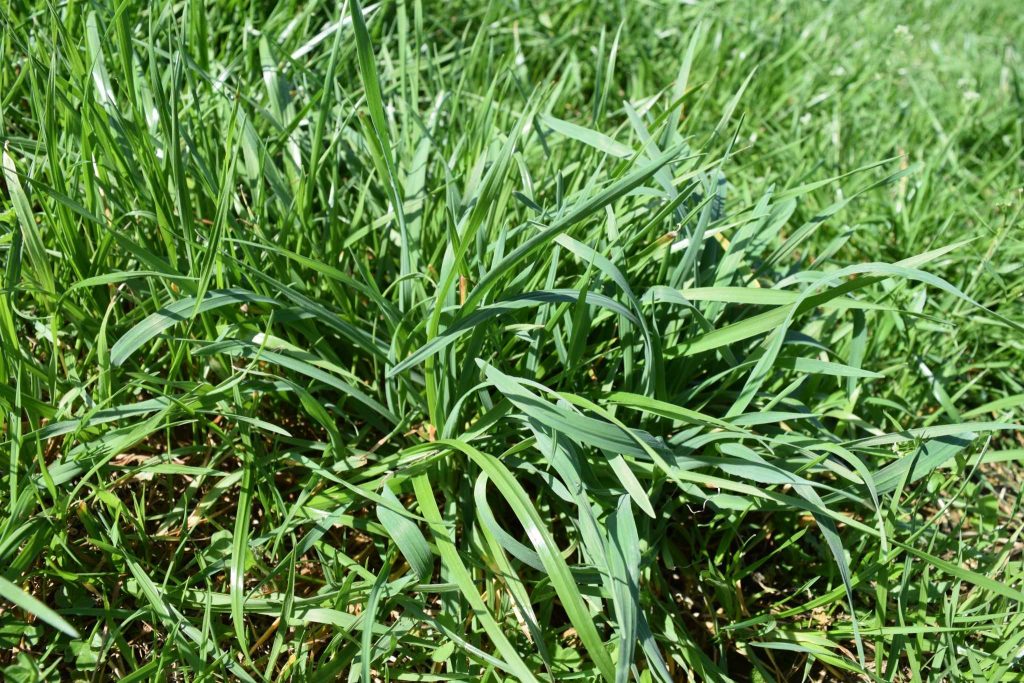
Annual ryegrass is a lively, green grass that grows quickly and is often used for pasture or erosion control. Its slender, fine leaves and soft-textured appearance make it easily recognizable during its peak growing season. The plant features narrow, bright green blades and produces small seed heads that resemble a spike or cluster. If you’re trying to identify annual ryegrass, look for its vibrant color, fine texture, and rapid growth habit, especially in the cooler months.
In short, annual ryegrass is a lush, bright green grass with narrow leaves and distinctive seed heads, making it easy to spot in fields or lawns. Its quick growth and fine texture are characteristic features that set it apart from other grasses.
Once you see annual ryegrass in the field, you’ll notice its lush green hue and delicate, fine blades sway gently in the breeze. It typically thrives in well-drained soils and spreads rapidly, creating a dense, attractive carpet of grass. During its flowering period, you’ll observe small, spike-like seed heads that add a touch of feathery texture to the plant. This grass usually appears in early spring or fall, providing an excellent cover crop or pasture grass that’s both resilient and visually appealing.

What Does Annual Ryegrass Look Like? A Complete Guide
Introduction to Annual Ryegrass
Annual ryegrass is a popular cool-season grass, known for its quick growth and vibrant green color. It is widely used in lawns, pastures, and erosion control because of its dense foliage. Understanding what annual ryegrass looks like helps farmers and gardeners identify it easily in various growing stages.
Physical Characteristics of Annual Ryegrass
Annual ryegrass features slender, upright stems that grow densely. The blades are typically narrow and long, about 1 to 3 millimeters wide, giving the grass a fine texture.
Color and Texture
The grass has a bright, lush green hue, especially during its peak growth phase. Its soft, smooth blades create a velvety feel, making it a pleasant grass to touch and walk on.
Size and Height
Young plants usually reach about 10 to 15 centimeters tall. With optimal conditions, mature plants can grow up to 60 centimeters or more in height. The height varies depending on soil quality and watering.
Leaves of Annual Ryegrass
The leaves are one of the most distinguishable features of annual ryegrass. They are slender, linear, and slightly pointed at the tips.
Shape and Arrangement
The leaves grow alternately along the stem and are typically flat, with a smooth surface. They may have a prominent central vein that runs along the length of the leaf.
Color Variations
While bright green is common, leaves can sometimes feature a slightly bluish or darker green shade during colder months. This variation indicates health and environmental conditions.
Seed Heads and Reproductive Structures
During late spring or early summer, annual ryegrass produces seed heads that are essential for identifying the plant.
Appearance of Seed Heads
Seed heads are typically cylindrical, spike-like structures that emerge from the top of the stem. They contain small seeds, which are vital for propagation.
Size and Density
These seed heads are usually about 10 to 20 centimeters long and have numerous fine, hair-like florets that give them a feathery look.
Growth Habit and Density
Annual ryegrass grows in dense mats, making it excellent for ground cover.
Growth Pattern
The grass tends to grow in bunches, with multiple stems emerging from the root zone. It spreads quickly, filling in gaps rapidly.
Plant Density
Fields sown properly can form a thick, lush layer that suppresses weeds and prevents soil erosion. Its density varies based on seeding rate and soil conditions.
Root System and Underground Features
While not visible without digging, the root system is essential for understanding the plant’s robustness.
Root Characteristics
Annual ryegrass develops a fibrous root system that extends both horizontally and vertically, helping it absorb moisture and nutrients efficiently.
Impacts on Soil
This root structure improves soil health by aerating the ground and increasing organic matter content over time.
Visual Differences from Similar Grasses
Knowing how to distinguish annual ryegrass from other similar species ensures accurate identification.
Compared to Perennial Ryegrass
Perennial ryegrass is usually darker green, has coarser blades, and produces seed heads at different times of the year. The annual version grows faster but completes its cycle within a year.
Compared to Fescue
Fescue grasses tend to have broader leaves and a more bushy appearance, unlike the fine, upright nature of annual ryegrass.
How to Identify Annual Ryegrass in the Field
Physical observation combined with the plant’s growth habits makes identification straightforward.
- Look for fine, bright green blades that grow densely.
- Check for narrow, linear leaves with a smooth texture.
- Observe seed heads emerging from the top of the plant during late spring or early summer.
- Identify the plant’s quick growth rate and dense patch formation.
- Compare with nearby grasses to see differences in blade width, color, and growth pattern.
Seasonal Changes and Appearance
Annual ryegrass exhibits noticeable changes throughout its growth cycle.
Early Growth
Plants are small, with tender, bright green leaves that set the foundation for rapid expansion.
Peak Maturity
During peak season, the grass is tall, lush, and densely packed, with prominent seed heads.
Late Season
As temperatures drop, the grass may turn slightly darker or yellowish, especially in colder climates.
Summary of Visual Features
To quickly recognize annual ryegrass, focus on its fine, slender blades, vibrant green color, and characteristic seed heads. Its dense, upright growth habit makes it stand out among other grasses.
Additional Tips for Accurate Identification
Examine multiple plants in the area to confirm the features. Pay attention to the growth stage to see if seed heads are present, which are definitive indicators.
Related Topics for Further Exploration
As you learn about annual ryegrass, consider exploring topics such as seed planting techniques, soil preparation, and how to manage annual ryegrass effectively in lawns or pastures.
Understanding what annual ryegrass looks like enables better management and utilization of this versatile grass. Its distinctive appearance can be recognized easily once familiar with its growth form, leaves, and seed structures. By observing these features closely, you can properly identify annual ryegrass in any setting.
Perennial Ryegrass Pros and Cons
Frequently Asked Questions
What are the key features of annual ryegrass’s foliage?
Annual ryegrass has narrow, bright green leaves that grow densely along the stems. The leaves often have a smooth texture and can be slightly shiny, giving the plant a vibrant appearance. During peak growth, the foliage appears lush and full, providing good ground cover.
How can I identify annual ryegrass by its seed heads?
In maturity, annual ryegrass produces upright seed heads that are typically a few inches long. These seed heads are composed of multiple spikelets arranged along a central stalk, with seeds that are often small and oval-shaped. The seed heads stand out distinctly against the foliage, especially when viewed from a distance.
What is the growth habit and overall shape of annual ryegrass plants?
Annual ryegrass generally exhibits a bunch-type growth habit, forming dense clumps that spread out over the soil surface. The plants are comparatively slender, with upright stems that can reach several inches in height. The overall shape appears bushy and compact, especially in well-established patches.
What distinguishes the root system of annual ryegrass?
The root system of annual ryegrass is fibrous and relatively shallow, allowing it to quickly establish in a variety of soils. The roots are fine and branching, which helps the plant absorb nutrients efficiently and provides stability to the dense mats of foliage above ground.
Are there visual differences between annual ryegrass and similar grasses?
Yes, annual ryegrass can be distinguished from other grasses by its fine, bright green leaves and prominent seed heads. Unlike perennial grasses, its growth cycle is shorter, and the seed heads tend to be more upright and less bushy compared to similar species. Its dense, quick-growing nature also sets it apart in appearance.
Final Thoughts
Annual ryegrass has narrow, green leaves that grow densely, creating a lush turf. Its stems are thin and upright, often forming clumps. The plant produces fine-textured foliage with a slightly shiny appearance.
In summary, what does annual ryegrass look like? It features slender, vibrant green leaves and a compact growth habit, making it easy to identify.